Bad Breath Causes: 5 Proven Tips to Get Fresh Breath Naturally
bylarry Hamilton-
Bad Breath Causes: 5 Simple Tips to Finally Get Fresh, Confident Breath
Bad breath — clinically known as halitosis — affects nearly 1 in 4 people worldwide, yet most people don't know what's actually causing it. Whether it's a dry mouth, bacteria on your tongue, gum disease, or something you ate, understanding the root bad breath causes is the first step toward fixing it for good.
In this guide, you'll discover five easy, effective habits that tackle the most common causes of bad breath at the source — not just mask them.
1. Stay Hydrated to Fight Dry Mouth — One of the Top Bad Breath Causes
Dry mouth is one of the most overlooked bad breath causes. When saliva production drops — whether from dehydration, certain medications, or mouth breathing — bacteria multiply rapidly and produce the sulfur compounds responsible for that unpleasant odor.
Saliva is your mouth's natural defense system. It washes away food particles, neutralizes acids, and keeps odor-causing bacteria in check. When you're not drinking enough water, that protection disappears.
How to Stay Hydrated for Fresher Breath
Aim for at least 8 glasses of water per day, more if you exercise.
Carry a reusable water bottle throughout the day for easy sipping.
Infuse water with cucumber, lemon, or fresh mint to make it more appealing.
Replace sugary sodas and energy drinks with water or unsweetened herbal teas.
Drink a glass of water first thing in the morning to rinse away overnight bacterial buildup.
Even mild dehydration can worsen bad breath significantly. Making hydration a consistent habit is one of the simplest, most effective things you can do for your oral health.
🛍️
Infusion Pro 32 oz Fruit Infuser Water Bottle with Time Marker - Flip To...
2. Chew Sugar-Free Gum to Stimulate Saliva and Neutralize Odors
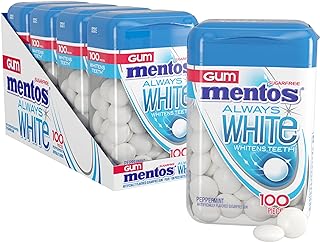
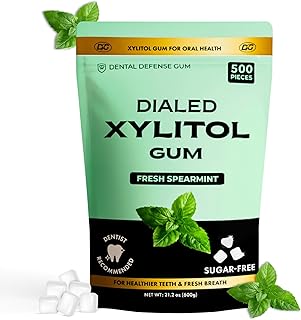
When you can't brush after a meal, sugar-free gum is your best on-the-go defense against bad breath. Chewing stimulates saliva flow, which naturally cleanses the mouth, neutralizes acids, and flushes out odor-causing bacteria and food debris.
The key is choosing the right kind of gum. Look for products that contain xylitol, a natural sugar alcohol that has been shown to actively inhibit the growth of Streptococcus mutans — one of the primary bacteria responsible for tooth decay and bad breath.
Tips for Choosing and Using Gum Effectively
Choose brands that specifically highlight dental or oral health benefits.
Keep a pack accessible — in your bag, car, desk, and at home.
Opt for mint-flavored gum for an extra freshening boost.
Avoid gums with sugar, which feed the bacteria they're meant to fight.
Chew for at least 20 minutes after meals for maximum effectiveness.
Note: Gum freshens breath but doesn't replace brushing or flossing. Think of it as a bridge between your oral care routines.
3. Use Fresh Herbs — Nature's Antibacterial Breath Fresheners
Long before mouthwash existed, people relied on fresh herbs to freshen their breath — and for good reason. Herbs like mint, parsley, and cilantro contain natural compounds with genuine antibacterial properties that work against the microbes causing bad odors in your mouth.
Mint contains menthol, which has antimicrobial effects and provides an immediate cooling freshness.
Parsley is rich in chlorophyll, a natural deodorizer that neutralizes sulfur compounds — the primary source of bad breath smell.
Cilantro contains antioxidants and has shown antibacterial activity in several studies.
Easy Ways to Add Breath-Freshening Herbs to Your Diet
Add fresh mint leaves to smoothies, salads, or water.
Use parsley as more than just a garnish — chew a sprig directly after garlic-heavy meals.
Brew fresh mint tea as a soothing, breath-friendly alternative to coffee.
Make a cilantro pesto to use with meals.
Keep a small herb plant on your kitchen windowsill for easy, fresh access.
4. Don't Skip Dental Visits — Gum Disease Is a Major Bad Breath Cause
No amount of gum, herbs, or water will fix bad breath caused by untreated gum disease or tooth decay. These are clinical conditions that require professional treatment — and they're among the most significant and persistent bad breath causes.
Periodontal (gum) disease occurs when bacteria accumulate in pockets between your teeth and gums. As these bacteria break down tissue, they release volatile sulfur compounds that create a distinctly foul odor that no breath mint can mask.
Professional dental cleanings remove the hardened plaque (tartar) that your toothbrush simply cannot reach — and your dentist can identify early signs of gum disease, cavities, or other oral health issues before they become serious.
Why Regular Dental Visits Matter for Fresh Breath
Schedule at least two check-ups and cleanings per year.
Professional cleanings remove tartar and disrupt bacteria colonies at the gumline.
Your dentist can provide personalized advice for your specific oral care needs.
Early detection of gum disease prevents the worsening of chronic bad breath.
Some patients with persistent halitosis are referred to periodontal specialists for deeper treatment.
A healthy mouth is the foundation of fresh breath. Home care is essential, but it's not a substitute for professional dental care.
🛍️
Oral-B Pro 1000 Rechargeable Electric Toothbrush, Black
5. Try Probiotics — The Surprising Solution for Chronic Bad Breath
Here's the tip that surprises most people: probiotics can significantly improve chronic bad breath by rebalancing the oral microbiome.
Your mouth hosts hundreds of bacterial species. When harmful, odor-producing bacteria outnumber the beneficial ones, bad breath persists — even if you brush regularly. Probiotics introduce beneficial bacteria that compete with and suppress the harmful strains responsible for halitosis.
Research has shown that specific probiotic strains — particularly Lactobacillus salivarius and Streptococcus salivarius K12 — can reduce the volatile sulfur compounds that cause bad breath. These are the same compounds produced by the bacteria linked to gum disease and tooth decay.
How to Add Probiotics to Your Oral Health Routine
Start your morning with plain yogurt containing live active cultures.
Sip on kombucha as a flavorful, fermented alternative to sugary drinks.
Add sauerkraut or kimchi as a side dish — they're excellent probiotic food sources.
Look for oral-specific probiotic supplements (often sold as lozenges) designed for mouth bacteria.
Be consistent — probiotic benefits build up over weeks, not overnight.
The gut-mouth connection is real. Supporting your microbiome from the inside out is one of the most powerful long-term strategies for eliminating bad breath at its source.
Conclusion: Tackle Bad Breath at Its Root
Understanding bad breath causes — from dry mouth and gum disease to poor diet and bacterial imbalance — gives you real power to fix the problem, not just mask it. The five strategies above work because they address the underlying issues rather than offering temporary cover-ups.
Start with hydration and consistent brushing, layer in sugar-free gum and fresh herbs for on-the-go support, keep your dental appointments, and consider probiotics for long-term oral microbiome health. Small, consistent habits add up to a genuinely fresher, more confident smile.
Drink plenty of water throughout the day to keep your mouth moist and freshen your breath.
🍬 QUICK WIN
Chew Gum
Opt for sugar-free gum to stimulate saliva production and quickly freshen your breath on-the-go.
🌿 PRO TIP
Use Fresh Herbs
Incorporate fresh herbs like mint or parsley into your meals for natural breath-freshening properties.
🦷 ESSENTIAL
Regular Dental Visits
Don’t skip your dental check-ups; they’re crucial for maintaining oral hygiene and preventing bad breath.
🚫 WARNING
Limit Certain Foods
Avoid strong-smelling foods like garlic and onions if you want to keep your breath fresh throughout the day.
🌟 ADVANCED
Bonus Tip #7
Consider using a tongue scraper to effectively remove bacteria and enhance your overall breath freshness.
Conclusion: Tackle Bad Breath at Its Root
Understanding bad breath causes — from dry mouth and gum disease to poor diet and bacterial imbalance — gives you real power to fix the problem, not just mask it. The five strategies above work because they address the underlying issues rather than offering temporary cover-ups.
Start with hydration and consistent brushing, layer in sugar-free gum and fresh herbs for on-the-go support, keep your dental appointments, and consider probiotics for long-term oral microbiome health. Small, consistent habits add up to a genuinely fresher, more confident smile.
Frequently Asked Questions About Bad Breath Causes
What is the most common cause of bad breath?
The most common cause of bad breath is the buildup of odor-producing bacteria in the mouth, particularly on the tongue and between the teeth. These bacteria release volatile sulfur compounds when they break down food particles. Dry mouth, poor oral hygiene, and gum disease are also among the leading bad breath causes.
Why do I have bad breath even after brushing my teeth?
If bad breath persists after brushing, the cause is likely bacteria on your tongue, gum disease, dry mouth, or a deeper issue like acid reflux or sinus drainage. Brushing your teeth alone doesn't remove all sources of odor — tongue cleaning, flossing, and staying hydrated are equally important.
Can dehydration really cause bad breath?
Yes. Dehydration reduces saliva production, leading to a condition called dry mouth (xerostomia). Without adequate saliva, bacteria multiply rapidly and produce the sulfur compounds responsible for halitosis. Drinking enough water throughout the day is one of the most effective and immediate remedies.
Does gum disease cause bad breath?
Yes — gum disease (periodontal disease) is one of the most significant and persistent causes of chronic bad breath. The bacteria involved in gum disease release foul-smelling compounds as they break down gum tissue. Only professional dental treatment and improved oral hygiene can address this root cause.
Can probiotics help with bad breath?
Yes. Research suggests that specific probiotic strains can reduce bad breath by rebalancing the oral microbiome and suppressing odor-producing bacteria. Oral-specific probiotics containing Streptococcus salivarius K12 have shown the most promising results in clinical studies.
What foods are the most common dietary bad breath causes?
Garlic and onions are the most well-known culprits, as their sulfur compounds are absorbed into the bloodstream and released through the lungs. Coffee, alcohol, high-protein diets, and dairy products can also contribute to bad breath in some people.
How can I permanently get rid of bad breath?
Permanently eliminating bad breath requires identifying and treating the underlying cause. For most people, this means improving oral hygiene (brushing, flossing, tongue scraping), staying well hydrated, attending regular dental visits to address gum disease or decay, and adjusting diet. Persistent cases should be evaluated by a dentist or physician to rule out underlying health conditions.
This post contains affiliate links. We may earn a small commission if you purchase through our links, at no extra cost to you.