
Bad breath has a way of striking at the worst possible moment — right before a meeting, a first date, or an important conversation. The good news is that most cases of halitosis are entirely preventable with consistent, well-chosen oral hygiene habits.
This guide covers 19 practical, science-backed oral hygiene tips for fresh breath that you can realistically start today. Whether you're revamping your entire dental routine or just looking for a few quick upgrades, there's something here for every level.
Key Takeaways
- Brush Twice a Day: Morning and evening brushing removes the plaque and bacteria responsible for bad breath and tooth decay.
- Floss Daily: Flossing clears the interdental spaces your toothbrush can't reach — a key source of odor-causing buildup.
- Use Mouthwash Regularly: An alcohol-free antibacterial mouthwash adds a critical extra layer of protection against harmful bacteria.
- Stay Hydrated: Drinking enough water prevents dry mouth, which is one of the most common and overlooked bad breath triggers.
- Don't Skip Dental Visits: Professional cleanings and checkups catch the underlying problems — tartar, gum disease — that home care alone can't resolve.
Contents
- 1. Brush Twice a Day
- 2. Floss Daily
- 3. Use Mouthwash Regularly
- 4. Stay Hydrated
- 5. Avoid Sugary Foods and Drinks
- 6. Chew Sugar-Free Gum
- 7. Don't Skip Your Dental Visits
- 8. Avoid Tobacco Products
- 9. Eat Crunchy Fruits and Vegetables
- 10. Use a Tongue Scraper
- 11. Drink Green Tea
- 12. Use Baking Soda Occasionally
- 13. Manage Stress Levels
- 14. Check for Medical Conditions
- 15. Limit Coffee Consumption
- 16. Use Essential Oils
- 17. Opt for Natural Sweeteners
- 18. Keep Your Oral Hygiene Tools Clean
- 19. Stay Informed About Oral Health
1. Brush Twice a Day — The Foundation of Fresh Breath

Brushing twice daily is the single most important oral hygiene habit you can build. Morning brushing removes the bacteria and plaque that accumulate overnight, while evening brushing clears away food debris and prevents bacteria from feeding on it while you sleep.
Use a fluoride toothpaste to strengthen enamel and fight cavities. Spend at least two minutes each session — and don't neglect your tongue, which harbors more odor-causing bacteria than your teeth. A soft-bristled toothbrush protects your gums from abrasion.
- Use a soft-bristled toothbrush to prevent gum recession
- Brush all tooth surfaces for a full two minutes
- Always brush your tongue to remove bacterial film
- Replace your toothbrush every three months or when bristles fray
- Consider an electric toothbrush for a more consistent, thorough clean
2. Floss Daily to Remove Hidden Odor Sources

Your toothbrush cleans roughly 60% of your tooth surfaces. The other 40% — the tight spaces between teeth — can only be reached by flossing. Food particles and plaque trapped in these interdental spaces are a major source of bad breath and the primary driver of gum disease.
Use about 18 inches of floss, wrapping it around your fingers and using a clean section for each tooth. Slide it gently in a "C" shape around each tooth and beneath the gumline. If traditional floss is difficult, floss picks or a water flosser are excellent alternatives.
- Use 18 inches of floss to ensure a clean section for each tooth
- Curve floss in a "C" shape to clean beneath the gumline
- Floss at least once a day — ideally before bed
- Try a water flosser if traditional flossing feels difficult
- Consistent flossing reduces gum disease risk — a major cause of halitosis
3. Use Mouthwash Regularly for Extra Bacterial Protection

Mouthwash isn't just a breath freshener — a well-chosen rinse actively fights the plaque and bacteria that cause gum disease and halitosis. Used after brushing and flossing, it reaches surfaces and crevices that mechanical cleaning misses.
Always choose an alcohol-free mouthwash with antibacterial properties. Alcohol-based rinses can dry out the mouth, which paradoxically worsens bad breath. Swish for at least 30 seconds and avoid eating or drinking for 30 minutes after rinsing to let the formula work fully.
- Choose alcohol-free mouthwash to avoid dry mouth side effects
- Swish for a full 30 seconds for effective bacterial coverage
- Use after brushing and flossing, not as a replacement
- Wait 30 minutes before eating or drinking after rinsing
- Look for formulas with CPC (cetylpyridinium chloride) for proven antibacterial action
4. Stay Hydrated — Your Simplest Bad Breath Defense

Saliva is your mouth's built-in cleaning system — it washes away food, neutralizes acids, and controls bacterial populations. When you're dehydrated, saliva production drops, creating the dry mouth conditions where odor-causing bacteria thrive.
Aim for at least 8 glasses of water daily. Keep a reusable water bottle with you throughout the day, and prioritize water over sugary drinks that feed the bacteria responsible for bad breath and decay.
- Drink at least 8 glasses of water per day
- Carry a reusable bottle to encourage consistent sipping
- Replace sugary beverages with water or unsweetened herbal tea
- Drink a glass of water immediately after meals to rinse away food residue
📹 Related Video: The Power of Oral Rehydration Solutions: Your Ultimate Guide to Hydration
🔗 Watch on YouTubeTransform your oral hygiene routine with our Advanced Oral Health Support Formula for fresh breath and healthier gums.
👉 Buy Now
5. Avoid Sugary Foods and Drinks

Sugar is the primary fuel for the bacteria in your mouth that produce acids, erode enamel, and generate the odors that cause bad breath. Every sugary snack or drink you consume gives these bacteria a new energy source to multiply and thrive.
When sweet cravings hit, reach for fresh fruit, nuts, or vegetables instead of processed candy or sweetened drinks. Check nutrition labels carefully — many seemingly healthy foods like flavored yogurt, granola bars, and fruit juices contain significant hidden sugars.
- Choose fresh fruit or nuts over candy and sugary snacks
- Read nutrition labels to identify hidden sugars
- Swap sodas and fruit juices for water or unsweetened drinks
- Keep xylitol-based sugar-free gum handy to satisfy sweet cravings safely
- Rinse your mouth with water after consuming anything sweet
Avoid Sugary Foods and Drinks
Editor's Choice


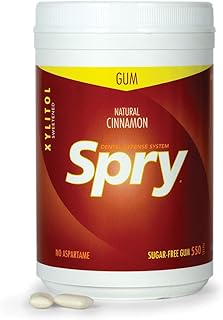
Remineralizing Chewing Gum with Hydroxyapatite, Xylitol - Enamel Protection...
 Amazon

6. Chew Sugar-Free Gum Between Meals

When brushing isn't possible — after lunch at work, during travel, or between classes — sugar-free gum is your most practical oral hygiene tool. Chewing triggers increased saliva flow, which neutralizes acids and helps wash food debris from the teeth.
Choose gums containing xylitol, which has clinical evidence supporting its ability to inhibit cavity-causing bacteria. Chew for at least 20 minutes after eating for maximum benefit.
- Select xylitol-containing, ADA-approved sugar-free gums
- Chew for 20 minutes after meals for best results
- Keep a pack in your bag, car, and workplace for convenient access
- Use gum as a bridge between brushing sessions, not a replacement
7. Don't Skip Your Dental Visits
Home oral hygiene removes most plaque, but calcified tartar can only be removed by a dental professional. Tartar buildup at and below the gumline creates an environment where harmful bacteria thrive, leading to gum disease and persistent bad breath.
Schedule cleanings every six months and use the appointment to discuss any breath concerns with your dentist. Early intervention for gum disease is significantly more effective — and affordable — than treating advanced periodontitis.
- Visit your dentist at least every six months
- Ask specifically about gum health and halitosis if you're concerned
- Professional cleanings remove tartar your toothbrush can't touch
- Early gum disease treatment dramatically reduces chronic bad breath
8. Avoid Tobacco Products
Tobacco — in any form — is one of the most damaging substances for oral health and breath quality. Smoking leaves a persistent, penetrating odor in the mouth and throat, reduces saliva flow, and significantly increases the risk of gum disease, oral cancer, and tooth loss. All of these directly worsen halitosis.
If you currently smoke or use smokeless tobacco, quitting is the single most impactful decision you can make for your oral health. Your breath improves noticeably within weeks, and your gum health begins recovering within months.
- All tobacco products worsen bad breath and accelerate gum disease
- Smoking reduces saliva, creating dry mouth conditions where bacteria thrive
- Seek professional cessation support — the success rate is significantly higher with help
- Nicotine replacement therapy options are available through your doctor
9. Eat Crunchy Fruits and Vegetables
Crunchy, high-fiber fruits and vegetables like apples, carrots, celery, and cucumbers act as natural tooth cleansers. Their fibrous texture helps scrub plaque from tooth surfaces while chewing, and their water content stimulates saliva flow — the same mechanism that makes sugar-free gum effective.
Incorporating more raw produce into your meals and snacks is one of the easiest dietary upgrades for oral health. Replacing processed snacks with raw vegetables between meals reduces sugar exposure and gives your teeth a natural polish in the process.
- Apples, carrots, and celery are among the best natural tooth-cleansing foods
- Crunchy vegetables stimulate saliva, which neutralizes acids and flushes bacteria
- Replace processed afternoon snacks with raw vegetables for an oral health boost
- High water content in raw produce also supports daily hydration goals
10. Use a Tongue Scraper
The tongue is the most common source of bad breath — yet most people only brush it briefly, if at all. The tongue's textured surface is an ideal environment for anaerobic bacteria, which produce the volatile sulfur compounds responsible for the most unpleasant halitosis odors.
A dedicated tongue scraper removes far more bacterial film than a toothbrush bristle. Scrape from back to front once or twice daily, rinsing the scraper between passes. Even 30 seconds of tongue scraping can meaningfully reduce oral malodor.
- Use a metal or plastic tongue scraper rather than relying on toothbrush bristles
- Scrape from the back of the tongue toward the tip, 2–3 times per pass
- Rinse the scraper after each stroke and your mouth after finishing
- Add tongue scraping to your morning brushing routine for daily fresh breath
11. Drink Green Tea for Antibacterial Benefits
Green tea contains catechins — powerful plant-based antioxidants with proven antibacterial properties. Studies have shown that green tea consumption can reduce the levels of odor-causing bacteria in the mouth and lower volatile sulfur compound concentrations, making it a genuinely functional beverage for fresh breath.
Replacing a morning coffee with unsweetened green tea is a simple swap that benefits both your breath and your overall health. Drink it plain or with a squeeze of lemon for the best oral health impact.
- Choose unsweetened green tea to avoid feeding oral bacteria
- Drink in the morning as a functional replacement for coffee
- Catechins in green tea actively inhibit odor-producing bacteria
- Matcha provides an even higher concentration of catechins than brewed green tea
12. Use Baking Soda Occasionally
Baking soda (sodium bicarbonate) has been used in oral care for over a century — and for good reason. It's a mild abrasive that gently polishes teeth without damaging enamel, and its alkaline nature neutralizes the acids produced by bacteria, creating a less hospitable environment for odor-causing microbes.
Use baking soda toothpaste once or twice a week, or dissolve half a teaspoon in a cup of water as an occasional mouth rinse. Don't use it as your sole toothpaste, as it doesn't contain fluoride.
- Use baking soda as an occasional supplement — not a daily fluoride toothpaste replacement
- An alkaline oral environment inhibits acid-producing bacteria
- Baking soda toothpastes combine fluoride protection with bicarbonate benefits
- Dissolve in water for an effective, inexpensive alkaline mouth rinse
13. Manage Stress Levels
Chronic stress has a direct impact on oral health and breath quality. Stress reduces saliva production (contributing to dry mouth), weakens immune defenses that keep oral bacteria in check, and can trigger mouth breathing — all of which worsen halitosis. Stress is also linked to teeth grinding (bruxism), which damages enamel and increases bacterial exposure.
Incorporating stress-reduction practices into your daily routine benefits your whole body, including your mouth. Regular exercise, mindfulness, adequate sleep, and social connection all help regulate the stress response.
- Chronic stress reduces saliva flow and weakens oral immune defenses
- Mouth breathing — common during stress and anxiety — significantly dries out the mouth
- Regular exercise and sleep are among the most effective stress reduction tools
- If teeth grinding is an issue, ask your dentist about a night guard
14. Check for Underlying Medical Conditions
Persistent bad breath that doesn't improve with good oral hygiene may have a systemic cause. Conditions including acid reflux (GERD), sinus infections, post-nasal drip, diabetes, kidney disease, and liver problems can all produce characteristic oral odors that no toothbrush or mouthwash can fix.
If your breath remains problematic despite a thorough oral care routine, consult your doctor to rule out an underlying health condition. This is especially important if halitosis is accompanied by other unexplained symptoms.
- GERD, sinus infections, and diabetes are common systemic bad breath causes
- Kidney or liver conditions can produce a distinctive ammonia-like or sweet halitosis odor
- If oral hygiene improvements don't resolve the issue, see a physician for evaluation
- Certain medications also cause dry mouth and bad breath as side effects — ask your doctor about alternatives
15. Limit Coffee Consumption
Coffee is a double bad-breath trigger: it contributes its own distinctive odor while simultaneously reducing saliva flow, which allows odor-causing bacteria to multiply. The acidity in coffee also creates an environment that favors bacterial growth.
You don't have to eliminate coffee entirely. Drinking water alongside or after your coffee helps counteract the drying effect and rinses away residual odor compounds. Reducing intake — especially in social situations — is a simple way to maintain fresher breath throughout the day.
- Always drink water with or after coffee to counteract dry mouth
- Rinse your mouth with water after finishing your cup
- Consider switching afternoon coffee for green tea, which freshens rather than dries the mouth
- Brush your teeth 30 minutes after coffee — not immediately, as acid softens enamel temporarily
16. Use Essential Oils with Antibacterial Properties
Several essential oils have genuine, research-supported antibacterial properties that make them useful additions to an oral care routine. Tea tree oil, peppermint oil, clove oil, and eucalyptus have all shown effectiveness against the bacteria associated with bad breath and gum disease in clinical studies.
Add one to two drops of food-grade peppermint or tea tree oil to a small amount of water and use it as an occasional mouth rinse. You can also find mouthwashes, toothpastes, and tongue sprays formulated with these oils.
- Tea tree, peppermint, clove, and eucalyptus oils have documented antibacterial activity
- Always dilute essential oils — never use them undiluted in the mouth
- Use only food-grade essential oils for any oral application
- Look for natural toothpastes and mouthwashes that include these oils as active ingredients
17. Opt for Natural Sweeteners Like Xylitol
Not all sweeteners are equal when it comes to oral health. Xylitol — a natural sugar alcohol found in birch bark and many fruits — is uniquely beneficial because oral bacteria cannot ferment it the way they ferment regular sugar. This means xylitol doesn't contribute to acid production or bacterial growth, and research shows it actively inhibits the growth of Streptococcus mutans, the primary cavity-causing bacterium.
Replacing sugar with xylitol in everyday sweets — gum, mints, lozenges — is one of the simplest, most sustainable oral health upgrades available.
- Xylitol doesn't feed oral bacteria the way sugar does
- Regular xylitol use is associated with reduced cavity risk
- Choose xylitol-sweetened gum, mints, and candy over sugar-based alternatives
- Look for xylitol as the first ingredient in any oral-health-focused gum or mint
18. Keep Your Oral Hygiene Tools Clean
Your toothbrush, tongue scraper, and any other oral hygiene tools can harbor bacteria if not properly maintained. A contaminated toothbrush reintroduces bacteria to your mouth with every use, partially undoing the cleaning it's supposed to provide.
Rinse your toothbrush thoroughly under running water after every use and store it upright in open air to dry. Replace it every three months, or sooner after illness. Clean your tongue scraper after every use with soap and water.
- Rinse your toothbrush under running water after every use
- Store toothbrushes upright and allow them to air dry — never store in a closed container
- Replace your toothbrush every 3 months, or after any illness
- Never share toothbrushes — this transfers bacteria between users
- Consider UV toothbrush sanitizers for extra protection
19. Stay Informed About Oral Health
Dental science evolves constantly. New research regularly updates best practices for brushing techniques, recommended products, and understanding of the oral microbiome. Staying informed helps you make smarter choices about your oral care routine and spot misinformation about dental health myths.
Follow reputable sources like the American Dental Association (ADA), your own dentist's guidance, and evidence-based oral health blogs like this one for reliable, current information.
- Consult the ADA website for up-to-date, evidence-based oral care guidelines
- Ask your dentist for personalized advice at each checkup
- Be skeptical of viral oral health "hacks" — not all are backed by research
- Regular reading about oral health makes it easier to maintain good habits long-term
Essential oral hygiene habits from this guide
🪥 ESSENTIAL — Brush & Floss Daily
Twice-daily brushing and once-daily flossing are non-negotiable. They remove the plaque and interdental debris that are the primary source of bad breath.
💧 QUICK WIN — Stay Hydrated
Drink 8 glasses of water daily to maintain saliva flow and naturally suppress odor-causing bacteria.
👅 PRO TIP — Use a Tongue Scraper
The tongue is the #1 source of bad breath. A dedicated tongue scraper removes far more bacterial film than brushing alone.
🚫 WARNING — Avoid Sugar and Tobacco
Both feed or protect oral bacteria. Eliminating or reducing them delivers one of the biggest oral health gains available without professional treatment.
🦷 ESSENTIAL — Schedule Dental Checkups
Professional cleanings every six months remove tartar and catch gum disease — the leading cause of persistent halitosis — before it becomes severe.
Conclusion: Start Your Oral Hygiene Upgrade Today
Fresh breath isn't a single habit — it's the result of a consistent, layered oral hygiene routine that addresses every source of bad breath: bacteria on teeth and tongue, dry mouth, diet, and underlying dental health.
You don't need to implement all 19 tips at once. Start with the fundamentals — brush twice daily, floss, drink more water, and book your next dental appointment. Then layer in additional habits like tongue scraping, green tea, and probiotics as they become natural parts of your day.
Small, consistent improvements add up to genuinely transformative oral health results. Which tip will you start with today?
Frequently Asked Questions About Oral Hygiene for Fresh Breath
What are the most important oral hygiene habits for fresh breath?
The three most impactful habits are: brushing twice daily (including your tongue), flossing once a day, and staying well hydrated. Together, these address the main sources of bad breath — bacterial buildup, interdental debris, and dry mouth.
How often should I replace my toothbrush?
Every three months, or sooner if the bristles are visibly worn or splayed. A frayed toothbrush is significantly less effective at removing plaque, which leads to increased bacterial buildup and worse breath over time.
Is tongue scraping actually effective for bad breath?
Yes — research consistently shows that tongue scraping reduces volatile sulfur compounds (the primary odor molecules in halitosis) more effectively than tongue brushing alone. It takes about 30 seconds and is one of the highest-impact additions to any oral hygiene routine.
Can diet changes alone improve bad breath?
Diet plays a significant role, but it works best alongside good brushing and flossing habits. Reducing sugar, avoiding trigger foods like garlic and onions before social situations, increasing water intake, and eating more crunchy raw vegetables can all meaningfully reduce bad breath when combined with consistent oral hygiene.
When should I see a doctor about bad breath?
If bad breath persists despite a thorough oral hygiene routine and a recent dental checkup, it may signal an underlying health condition such as acid reflux, sinus infection, or a metabolic disorder. See your doctor if halitosis is persistent, unexplained, or accompanied by other symptoms.
Note: We aim to provide accurate product links, but some may occasionally expire or become unavailable. If this happens, please search directly on Amazon for the product or a suitable alternative.
This post contains Amazon affiliate links, meaning we may earn a small commission if you purchase through our links, at no extra cost to you.