
Chronic bad breath — clinically known as halitosis — affects an estimated 25–30% of people worldwide, yet it remains one of the most under-discussed oral health concerns. Most people reach for mints or mouthwash and hope for the best. But masking the odor only works for minutes. Addressing the root causes of chronic bad breath is what actually produces lasting results.
The tricky part is that bad breath doesn't always originate where you'd expect. While poor brushing habits and food choices are obvious culprits, persistent halitosis is often the symptom of something deeper — gum disease, dry mouth, a systemic medical condition, or even a medication you've been taking for years. Identifying which cause applies to you is the critical first step toward fixing it.
This guide covers 14 of the most clinically significant causes of chronic bad breath. For each one, you'll find a clear explanation of the mechanism behind the odor, practical steps to address it, and guidance on when to seek professional help. Whether you've struggled with this issue for months or just want to understand what's happening in your mouth, you'll leave with a clearer picture — and a real plan of action.
Key Takeaways
- Most chronic bad breath originates in the mouth — poor oral hygiene, gum disease, tooth decay, and dry mouth account for the majority of cases, and all are addressable with the right routine.
- Saliva is your primary defense against bad breath — anything that reduces saliva flow (medications, dehydration, mouth breathing) creates conditions where odor-causing bacteria can multiply.
- Your diet directly shapes your breath — not just in the short term (garlic, onions) but over time through the bacterial environment a high-sugar diet creates in the mouth.
- Smoking and tobacco use cause multiple overlapping breath problems simultaneously — drying the mouth, promoting gum disease, and depositing their own persistent chemical odors.
- Persistent bad breath despite good oral hygiene warrants medical evaluation — it may signal a systemic condition such as diabetes, GERD, kidney disease, or a respiratory infection that requires professional diagnosis.
Contents
- 1. Poor Oral Hygiene
- 2. Tooth Decay
- 3. Gum Disease
- 4. Dry Mouth
- 5. Diet
- 6. Oral Infections
- 7. Smoking and Tobacco Use
- 8. Medical Conditions
- 9. Medications
- 10. Allergies
- 11. Hormonal Changes
- 12. Age
- 13. Dental Appliances
- Frequently Asked Questions
1. Poor Oral Hygiene

Poor oral hygiene is the single most common cause of chronic bad breath, responsible for the majority of persistent halitosis cases. When teeth are not brushed and flossed consistently, a thin film of bacteria — dental plaque — accumulates on tooth surfaces, along the gumline, and between teeth. These bacteria break down food particles and proteins, releasing volatile sulfur compounds (VSCs) in the process. VSCs, particularly hydrogen sulfide and methyl mercaptan, are the primary chemical cause of the characteristic rotten-egg or sulfur odor associated with bad breath.
The tongue is an especially overlooked source. The dorsal surface of the tongue has a rough, irregular texture that acts as a trap for bacteria, dead cells, and food debris. Studies have found that the tongue accounts for as much as 80–90% of intraoral bad breath. Without regular tongue cleaning, even a diligent brushing and flossing routine leaves a significant source of odor untreated.
How to upgrade your oral hygiene routine for lasting fresh breath:
- Brush for a full two minutes twice daily, using small circular strokes to reach all tooth surfaces and the gumline
- Use a tongue scraper each morning — pull from back to front 5–7 times, rinsing the scraper between passes
- Floss once daily, preferably before bedtime, to remove the plaque and debris a toothbrush cannot reach
- Use a fluoride toothpaste with added antibacterial agents (stannous fluoride or zinc) for extra odor protection
- Replace your toothbrush every 3 months, or sooner if bristles are frayed — worn bristles clean poorly
- Schedule professional cleanings every 6 months to remove calculus (hardened plaque) that brushing cannot address
Poor Oral Hygiene
Editor's Choice




2. Tooth Decay

Tooth decay (dental caries) is a significant and often invisible cause of chronic bad breath. Cavities create structural defects in tooth enamel and dentine that act as reservoirs for bacteria and food debris. The anaerobic bacteria that colonize these cavities metabolize sugars and proteins, releasing sulfur compounds and organic acids as byproducts — both of which contribute to persistent foul odors that no amount of brushing will eliminate, because the source is physically inside the decayed tooth structure.
Advanced decay that reaches the pulp (the inner nerve tissue of the tooth) can cause a dental abscess — a pocket of pus that produces a distinctly putrid smell. In these cases, the odor may be sudden and severe, and is typically accompanied by pain, swelling, and temperature sensitivity. An abscess requires immediate dental treatment; it will not resolve on its own and can spread to surrounding tissue if ignored.
How to protect against tooth decay and its effect on breath:
- Reduce consumption of sugary and acidic foods and drinks, which feed cavity-causing bacteria
- Use a fluoride toothpaste twice daily — fluoride strengthens enamel and makes it more resistant to acid erosion
- Consider dental sealants for back teeth if your dentist recommends them — they physically block bacteria from entering grooves
- Drink water after meals when brushing isn't possible — it dilutes acids and helps wash away food particles
- Attend dental check-ups every 6 months; X-rays can identify decay between teeth that is invisible to the naked eye
- If you notice a dark spot on a tooth, localized pain, or unusual sensitivity, don't delay — small cavities treated early are far simpler to fix than advanced decay
Tooth Decay
Editor's Choice




3. Gum Disease

Gum disease (periodontal disease) is one of the most potent and persistent causes of chronic bad breath, and one of the most commonly missed. In the early stage — gingivitis — bacterial plaque buildup along the gumline causes inflammation, bleeding, and the first signs of breath odor. Left untreated, gingivitis progresses to periodontitis, where bacteria invade deeper into the tissue, destroying the bone and connective tissue that anchor teeth in place.
The breath odor associated with gum disease is distinctly different from ordinary morning breath. It comes from the bacterial colonies living in periodontal pockets — the gaps that form between teeth and gums as tissue recedes and breaks down. These anaerobic bacteria, living in an oxygen-deprived environment, produce high concentrations of VSCs, including butyric acid and putrescine — compounds associated with decay and decomposition. This is why gum-disease-related halitosis is often described as particularly foul and persistent, and why it does not respond to brushing alone.
What to do if gum disease may be contributing to your bad breath:
- Watch for the warning signs: red, swollen, or bleeding gums; gums that have pulled away from teeth; persistent bad taste; and loose teeth
- Brush carefully along the gumline twice daily, angling the bristles at 45 degrees toward the gum
- Floss daily — this is non-negotiable for gum health; no other tool reaches between teeth and under the gumline as effectively
- Use an antimicrobial mouthwash (chlorhexidine gluconate or cetylpyridinium chloride) to reduce bacterial load
- See a dentist promptly — early-stage gum disease (gingivitis) is reversible with professional cleaning; advanced periodontitis requires scaling and root planing, a deeper cleaning procedure
- Quit smoking (see Cause #7) — tobacco is one of the most significant independent risk factors for gum disease
4. Dry Mouth

Dry mouth (xerostomia) is both a standalone cause of bad breath and an amplifier of virtually every other cause on this list. Saliva is not just a lubricant — it is an active antimicrobial fluid. It contains lysozyme, lactoferrin, and immunoglobulin A, all of which inhibit bacterial growth. It mechanically washes food debris and dead cells from the mouth and tongue. It buffers acids produced by bacteria, protecting both teeth and soft tissue. When salivary flow is reduced, all of these protective mechanisms weaken simultaneously.
Common causes of dry mouth include: mouth breathing (especially during sleep, which explains why morning breath is worse when you wake up with an open mouth), dehydration, more than 400 medications (including antihistamines, antidepressants, blood pressure drugs, and diuretics), autoimmune conditions such as Sjögren's syndrome, and cancer treatments including radiation to the head and neck.
Evidence-based strategies for managing dry mouth and its effect on breath:
- Drink water consistently throughout the day — small sips regularly are more effective than large amounts infrequently
- Chew sugar-free xylitol gum — xylitol has an added antibacterial benefit and directly stimulates saliva production
- Breathe through your nose whenever possible, particularly during sleep; a chin strap or nasal strips can help habitual mouth breathers
- Use a humidifier in your bedroom overnight to reduce overnight oral drying
- Ask your doctor or dentist about prescription saliva substitutes or saliva-stimulating medications (pilocarpine) if dry mouth is severe
- Avoid alcohol-based mouthwashes — alcohol is strongly drying and worsens xerostomia
5. Diet

Diet influences breath health through multiple mechanisms. The most familiar is the direct volatile effect of strongly flavored foods: garlic and onions contain allyl methyl sulfide, a compound that is absorbed into the bloodstream during digestion and expelled through the lungs for several hours after eating — meaning no amount of brushing will fully eliminate garlic breath until the compound clears your system naturally.
Beyond immediate food odors, a chronically poor diet has structural long-term effects on oral health and breath. A high-sugar diet feeds the acidogenic bacteria responsible for tooth decay, progressively worsening both dental and breath health. Very low-carbohydrate (ketogenic) diets cause the body to burn fat for fuel, producing ketone bodies — including acetone — which are expelled through the breath, creating a distinctive sweet or fruity odor. High-protein diets can increase VSC production as bacteria break down protein. Low-fiber diets reduce saliva-stimulating chewing and slow digestion, both of which impair oral clearance.
Dietary changes that meaningfully improve breath health:
- Eat crunchy, high-fiber foods (apples, carrots, celery) daily — they mechanically clean teeth and stimulate saliva
- Add parsley or fresh mint to meals — chlorophyll is a natural odor neutralizer
- Include probiotic-rich foods (yogurt, kefir, fermented vegetables) — they support a healthy oral microbiome that competes with odor-causing bacteria
- Reduce sugar and refined carbohydrates significantly — this starves the decay-causing bacteria that contribute to bad breath
- Stay well-hydrated with water (not sugary drinks) throughout the day
- If following a low-carb diet and experiencing ketone breath, increase water intake and consider adding more fibrous vegetables
✨ Fresh Breath Solution Awaits!
Transform your oral health and combat chronic bad breath with our advanced formula for lasting freshness.
👉 Refresh Your Breath
6. Oral Infections

Active oral infections are among the most acute causes of bad breath, capable of producing severe halitosis with little warning. A dental abscess — a bacterial infection in the pulp of a tooth or in the surrounding gum tissue — generates a pus-filled cavity that produces a distinctly putrid, rotten smell. Pericoronitis, an infection around a partially erupted wisdom tooth, traps food and bacteria under a flap of gum tissue and can cause intense localized odor. Oral thrush (candidiasis), a fungal infection, creates a characteristic stale, yeasty breath alongside visible white patches on the tongue and inner cheeks.
What makes oral infections particularly relevant to bad breath is that they do not resolve through improved hygiene alone — they require professional diagnosis and treatment. Continuing to brush, rinse, and scrape without addressing the underlying infection will temporarily reduce symptoms but will not eliminate the source. A dental abscess in particular poses a health risk beyond bad breath: untreated, it can spread to the jaw, neck, and in rare cases further — making prompt dental care essential.
Warning signs of an oral infection that require dental attention:
- Sudden, severe, or distinctly putrid bad breath not linked to recent food intake
- A bad taste in the mouth, especially salty or metallic, that doesn't clear
- Localized tooth or gum pain, particularly throbbing or pulsating
- Swelling in the gum, jaw, or face
- Visible white patches or unusual coating on the tongue or inner cheeks
- Fever accompanying any of the above — seek same-day care
Oral Infections
Editor's Choice


7. Smoking and Tobacco Use

Smoking and tobacco use cause chronic bad breath through several overlapping mechanisms — which is why "smoker's breath" is so distinct and persistent, and why standard oral hygiene alone cannot fully counteract it while tobacco use continues.
First, tobacco smoke itself deposits hundreds of chemical compounds — including tar, nicotine, and aromatic hydrocarbons — directly onto oral surfaces, the tongue, teeth, and the soft palate. These compounds have strong, persistent odors of their own. Second, tobacco use reduces salivary flow significantly, creating the dry-mouth conditions where bacteria proliferate unchecked. Third — and most consequentially — smoking is the leading modifiable risk factor for periodontal disease. It impairs gum tissue blood supply, disrupts the immune response in the mouth, and allows bacteria to establish deep periodontal pockets far more aggressively than in non-smokers. Chewing tobacco and smokeless products deposit tobacco compounds directly into gum tissue, causing localized tissue destruction that is a significant source of chronic odor.
What smokers can do to improve breath health now and long-term:
- Increase brushing frequency, including the tongue, and use an antimicrobial mouthwash daily to reduce bacterial load
- Stay well-hydrated to partially compensate for tobacco-induced dry mouth
- See a dentist every 4–6 months (rather than the standard 6–12) for more frequent cleaning and gum monitoring
- Pursue cessation with evidence-based support: nicotine replacement therapy (patches, gum, lozenges), prescription medications (varenicline), and behavioral counseling all significantly improve quit rates
- Within weeks of quitting, most former smokers notice meaningful improvement in breath freshness as saliva production normalizes and gum tissue begins to heal
8. Medical Conditions

When bad breath persists despite excellent oral hygiene, the cause is often systemic — originating not in the mouth but in the body. A number of medical conditions produce distinctive breath odors that are metabolic in origin, meaning they arise from substances the body exhales through the lungs rather than bacteria acting in the mouth. Understanding these patterns can be a useful diagnostic clue.
Key medical conditions associated with distinctive breath odors:
Diabetes (especially uncontrolled): When the body breaks down fat for fuel due to insufficient insulin, it produces ketone bodies — including acetone — which are exhaled, creating a sweet, fruity, or nail-polish-remover-like breath odor. This can be an early sign of diabetic ketoacidosis (DKA), a medical emergency in Type 1 diabetes.
Gastroesophageal reflux disease (GERD): Stomach acid and partially digested food traveling back into the esophagus and throat create a chronic sour or acidic breath odor. People with GERD often notice it is worst in the morning or after lying down.
Chronic kidney disease: As kidney function declines, the body is less able to filter waste products. Urea accumulates and is converted to ammonia, producing a characteristic fishy or ammonia-like breath odor that is distinctly different from oral halitosis.
Liver disease: Advanced liver disease produces a musty, sweet odor known clinically as "fetor hepaticus," caused by the accumulation of dimethyl sulfide and other compounds the liver can no longer process.
Respiratory infections: Chronic sinusitis, bronchitis, and lung infections allow bacteria and mucus to accumulate in the airways, creating a persistent sour or fetid breath smell that originates from the respiratory tract rather than the mouth.
If your breath has an unusual quality — fruity, ammonia-like, fishy, or musty — and does not correlate with recent food or poor oral hygiene, consult your doctor for evaluation.
Medical Conditions
Editor's Choice



9. Medications

More than 400 prescription and over-the-counter medications list dry mouth (xerostomia) as a side effect, making medications one of the most widespread and under-recognized causes of chronic bad breath — particularly in adults over 50 who are more likely to be taking multiple drugs simultaneously.
The drug categories most commonly associated with dry-mouth-related halitosis include: antihistamines and decongestants (found in allergy and cold medications), antidepressants and anti-anxiety medications (SSRIs, tricyclics, benzodiazepines), antihypertensives (beta-blockers, diuretics), antipsychotics, anticholinergics, muscle relaxants, and some pain medications including opioids.
Beyond dry mouth, some medications contribute to breath odor through other pathways: certain antibiotics alter the oral microbiome, creating imbalances that favor odor-producing species; chemotherapy drugs can cause mucosal changes that increase bacterial load; and some medications produce sulfur-containing metabolites that are exhaled.
What to do if you suspect your medication is affecting your breath:
- Do not stop or change prescribed medication without consulting your prescriber
- Ask your doctor or pharmacist whether a medication switch or dose adjustment is possible if dry mouth is severe
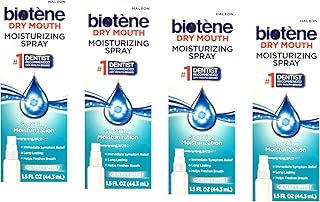
- Use alcohol-free mouthwashes, xylitol-based mouth sprays, or over-the-counter saliva substitutes (Biotene products) for symptomatic relief
- Stay well-hydrated and avoid caffeine and alcohol, which compound medication-induced dryness
- Schedule more frequent dental cleanings (every 4 months) if you take multiple dry-mouth-causing medications
10. Allergies

Seasonal and year-round allergies contribute to bad breath through two primary mechanisms: postnasal drip and mouth breathing. When nasal passages become inflamed and congested due to an allergic reaction, the body produces excess mucus that drips down the back of the throat (postnasal drip). This mucus is rich in proteins and sugars that bacteria metabolize into odorous compounds, creating a persistent bad taste and breath odor. The affected mucus also disrupts the normal bacterial environment of the upper respiratory tract.
Simultaneously, nasal congestion forces habitual mouth breathing, which rapidly dries the oral cavity. As covered above (Cause #4), dry mouth removes the protective antimicrobial properties of saliva, creating conditions where odor-causing bacteria multiply far more aggressively. People with chronic, poorly controlled allergies can experience year-round bad breath driven by this cycle, even if their oral hygiene is otherwise excellent.
How to break the allergy-bad breath cycle:
- Use saline nasal rinses (neti pot or nasal spray) morning and evening to flush allergens and thin mucus — this is one of the most effective and underused tools for allergy-related postnasal drip
- Consult your doctor about appropriate allergy medications; note that some antihistamines (particularly older "first generation" types like diphenhydramine/Benadryl) worsen dry mouth significantly
- Newer antihistamines (loratadine, cetirizine, fexofenadine) have less anticholinergic activity and therefore less drying effect
- Use a humidifier in your living and sleeping spaces to reduce nasal dryness
- Rinse your mouth with water whenever you notice the taste associated with postnasal drip
11. Hormonal Changes

Hormonal fluctuations have measurable effects on oral health and breath at several predictable life stages. Estrogen and progesterone both influence the gum tissue's inflammatory response and alter the composition of saliva. During puberty, elevated sex hormone levels promote gum inflammation (puberty gingivitis) and may temporarily worsen breath. During the menstrual cycle, some women notice increased gum sensitivity and breath changes in the week before menstruation, when progesterone peaks.
Pregnancy represents one of the most significant hormonal contexts for oral health. Elevated progesterone strongly amplifies the gum tissue's response to plaque — meaning that even modest plaque levels can trigger disproportionate gingivitis ("pregnancy gingivitis"), which is a major source of bad breath during pregnancy. Morning sickness also creates repeated exposure of tooth enamel and oral tissue to stomach acid, altering the oral environment in ways that can promote bacterial odor. Menopause brings declining estrogen levels, which reduce saliva production and increase the risk of gum recession — both contributors to dry mouth and halitosis.
Managing breath during hormonal transitions:
- During pregnancy, maintain or intensify oral hygiene and see your dentist once per trimester — pregnancy gingivitis is preventable and reversible with proper care
- After morning sickness episodes, rinse with water or a fluoride mouthwash rather than brushing immediately, as acid softens enamel temporarily
- If menopause-related dry mouth is a concern, discuss saliva-preserving strategies with both your dentist and gynecologist
- Track whether breath changes correlate with your cycle — if so, intensifying oral care in the relevant week can help
12. Age

Age-related bad breath is not an inevitable consequence of getting older — it is the result of several cumulative processes that can be understood and managed. Saliva production naturally declines with age, particularly in the parotid glands. Older adults are also significantly more likely to be taking multiple medications, many of which (as discussed in Cause #9) further reduce salivary flow. The combination creates a persistent dry-mouth environment that consistently favors odor-causing bacteria.
Over decades, accumulated gum recession exposes root surfaces, which are more vulnerable to decay than enamel-covered crowns. More root surface exposure means more sites for bacteria to colonize. Receding gums also deepen the pockets where anaerobic bacteria — the primary producers of VSCs — thrive. Additionally, older adults may have reduced manual dexterity that makes thorough brushing and flossing more difficult, and many have fixed dental restorations (crowns, bridges, implants) that require additional care.
Age-specific oral health strategies for fresh breath:
- Use an electric toothbrush if manual dexterity is a challenge — they are consistently more effective than manual brushing for plaque removal
- Consider a water flosser as an alternative or supplement to string floss — it is easier to use around crowns, bridges, and implants
- Use Biotene or equivalent alcohol-free, moisturizing products formulated specifically for dry mouth
- Increase dental check-up frequency — annual or biannual cleanings may not be sufficient for older adults on multiple medications
- Stay well-hydrated; sip water frequently throughout the day
Age
Editor's Choice



13. Dental Appliances

Dental appliances — including braces, retainers, removable partial dentures, full dentures, night guards, and clear aligner trays (such as Invisalign) — all create additional surfaces and spaces where bacteria and food particles can accumulate. When these appliances are not cleaned diligently, they become significant reservoirs of odor-causing bacteria that work against even an excellent tooth-brushing routine.
Braces are particularly challenging because brackets and wires create dozens of recessed areas where a standard toothbrush cannot reach effectively. Food debris and plaque accumulate rapidly around brackets, and without interdental brushes or water flossing, bacterial overgrowth in these areas is almost inevitable. Removable appliances like dentures and retainers have porous acrylic surfaces that harbor bacteria and absorb odor compounds over time; if not cleaned and soaked daily, they develop a persistent smell that transfers directly to the breath.
Cleaning protocols for common dental appliances:
- Braces: Use an interdental brush after every meal to clean around brackets; a water flosser is highly effective; brush for 4 minutes rather than 2 to account for the additional cleaning complexity
- Removable dentures: Remove and rinse after each meal; brush daily with a soft denture brush and non-abrasive cleaner; soak overnight in a denture cleanser solution; never sleep in them unless advised by your dentist
- Retainers and aligners: Rinse with cool water immediately upon removal; brush gently with a soft toothbrush and mild dish soap or retainer cleaning tablets daily; never soak in hot water (warps the plastic)
- Night guards: Rinse and brush after removal each morning; soak in a denture tablet solution weekly for a deep clean; allow to air-dry completely before storage to prevent bacterial and mold growth
Frequently Asked Questions
What is the most common cause of chronic bad breath?
Poor oral hygiene — specifically the buildup of odor-producing bacterial plaque on teeth, the gumline, and especially the tongue — is the most common cause of chronic bad breath. The tongue alone accounts for as much as 80–90% of intraoral halitosis in cases where oral hygiene is the primary driver. Adding a tongue scraper to a twice-daily brushing and daily flossing routine is often the single most impactful change people can make.
Why does my breath smell bad even though I brush my teeth?
Brushing alone misses several major odor sources: the tongue (where the majority of bacteria reside), the spaces between teeth (where flossing is required), and the back of the mouth. Beyond hygiene, causes like gum disease, dry mouth, a medication side effect, GERD, or a sinus infection can all produce bad breath that brushing cannot address. If your breath remains consistently poor despite a thorough routine, a dental and medical evaluation is the appropriate next step.
Can bad breath be a sign of a serious medical condition?
Yes, in some cases. A sweet or fruity breath odor can indicate diabetic ketoacidosis. An ammonia or fishy smell may signal chronic kidney disease. A musty, sweet odor is associated with advanced liver disease. Persistent sour or acidic breath that doesn't respond to dental treatment may indicate GERD. These systemic causes are less common than oral causes, but they warrant medical evaluation when bad breath is unexplained, unusual in character, or accompanied by other symptoms.
Does mouthwash cure bad breath?
Mouthwash is a useful tool, but it does not cure chronic bad breath on its own. Alcohol-based mouthwashes mask odor temporarily (typically for 30–60 minutes) but can worsen dry mouth with regular use, ultimately making the underlying problem worse. Antimicrobial mouthwashes containing chlorhexidine or cetylpyridinium chloride can reduce bacterial load and are valuable as part of a complete routine — but they work best when combined with brushing, flossing, tongue scraping, and addressing whatever underlying cause is driving the halitosis.
When should I see a doctor about bad breath?
See a dentist if bad breath persists despite a solid oral hygiene routine (brushing, flossing, tongue scraping, regular cleanings), as gum disease, tooth decay, or oral infection may be the cause. See your doctor if: the odor is unusual in character (fruity, ammonia-like, fishy, or musty); it is accompanied by other symptoms such as frequent urination, abdominal pain, swollen lymph nodes, or difficulty swallowing; or it began after starting a new medication. Persistent bad breath that cannot be explained by oral causes alone always warrants professional evaluation.
Conclusion

Chronic bad breath is almost always fixable — but only once you understand what is actually causing it. The 14 causes covered in this guide span a wide range: from the everyday (inconsistent brushing and flossing, poor dietary habits) to the systemic (uncontrolled diabetes, GERD, kidney disease) to the situational (hormonal changes, a new medication, an ill-fitting dental appliance). Most people have a primary cause and one or two contributing factors working together.
The most important thing you can take away from this article is this: persistent bad breath that does not respond to improved oral hygiene is a signal that should not be ignored. It deserves a professional evaluation — from a dentist first, and a doctor if an oral cause cannot be found. In the meantime, the most universally effective steps are consistent brushing with tongue scraping, daily flossing, adequate hydration, and reducing sugar and tobacco use.
Fresh breath is not just about confidence — it is a meaningful window into your broader oral and systemic health. Taking it seriously is always worthwhile.
Have a question about a cause not covered here, or something that has worked for you? Leave a comment below — your experience could help someone else.
Note: We aim to provide accurate product links, but some may occasionally expire or become unavailable. If this happens, please search directly on Amazon for the product or a suitable alternative.
This post contains Amazon affiliate links, meaning we may earn a small commission if you purchase through our links, at no extra cost to you.