
We've all been there — you're about to start a conversation and a little voice asks, "Does my breath smell okay?" Instead of reaching for another mint or stick of gum, what if your next snack could actually eliminate bad breath at the source? That's exactly what this guide is about.
Bad breath — or halitosis — affects up to 30% of people worldwide, and in most cases the root cause is oral bacteria producing sulfur compounds on your tongue and between your teeth. Commercial mints only mask the odor for a few minutes. The natural breath fresheners in this list fight the problem directly: they neutralize those sulfur compounds, scrub bacteria off teeth, boost saliva production, and rebalance the microbiome in your mouth.
Below you'll find eight everyday foods that double as powerful breath fresheners — backed by science, easy to find, and genuinely delicious. Whether you're at work, on a date, or just snacking at home, these options will keep your breath fresh and your confidence high.
💡 Key Takeaways
- Crunchy foods like apples and carrots physically scrub teeth and remove odor-causing bacteria — no toothbrush required
- Fresh mint leaves contain natural antibacterial oils far more potent than any synthetic mint flavoring
- Probiotic yogurt rebalances the oral microbiome and can reduce bad-breath compounds by up to 80% with consistent use
- Green tea's catechins inhibit the growth of the bacteria most responsible for halitosis and gum disease
- Pineapple's bromelain enzyme breaks down the bacterial biofilm that coats teeth and the tongue
- Combining several of these foods daily delivers compounding improvements to your overall oral hygiene
Contents
- 1. Apples: The Sweet Crunch
- 2. Fresh Mint: Nature's Breath Savers
- 3. Celery: The Crunchy Cleansing Stick
- 4. Pineapple: Tropical Sweetness
- 5. Yogurt: Creamy and Probiotic Goodness
- 6. Green Tea: The Antioxidant Elixir
- 7. Berries: Nature's Candy
- 8. Carrots: Crunchy and Sweet
- Frequently Asked Questions
- Conclusion
1. Apples: The Sweet, Crunchy Natural Breath Freshener

Craving something crunchy and sweet that also freshens your breath? Apples are one of the most effective natural remedies for bad breath you can reach for. Their crisp, fibrous texture works like a gentle toothbrush — sweeping bacteria and food debris off your teeth as you chew — while their polyphenols chemically neutralize the sulfur compounds that cause odor. On top of that, apples stimulate saliva flow, which is your mouth's built-in antibacterial rinse. Choose firm varieties like Granny Smith or Honeycrisp for maximum crunch and fiber content.
Ingredients:
- 1 medium apple
- Optional: natural nut butter or a slice of aged cheese
How to use it:
- Wash the apple thoroughly — keep the skin on, that's where the most beneficial compounds are concentrated.
- Slice into wedges and chew slowly, especially on the sides where plaque tends to build up.
- Serve on its own or with a small portion of nut butter or cheese for a balanced, satisfying snack.
Common questions:
- Can I eat the skin? Absolutely — it contains the highest concentration of fiber and breath-fighting antioxidants.
- Other ways to use apples? Add them to salads, blend into a smoothie, or eat one immediately after a garlicky meal.
2. Fresh Mint: Nature's Most Powerful Breath Saver

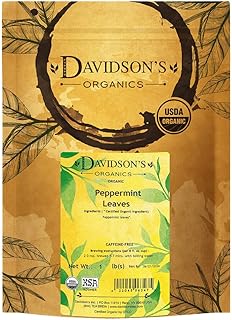
There's a world of difference between real fresh mint and the synthetic flavoring in most commercial gum or mints. Fresh mint leaves contain menthol and rosmarinic acid — natural antibacterial compounds that actively kill the bacteria causing bad breath, rather than simply covering the odor for a few minutes. Chewing just a few leaves releases these essential oils directly into your mouth, coating surfaces where bacteria cling and multiply. As a bonus, mint has anti-inflammatory properties that can help calm irritated gum tissue — a common but overlooked contributor to persistent bad breath.
Ingredients:
- 10 fresh mint leaves
- 1 cup boiling water
- Optional: a squeeze of honey or lemon
How to use it:
- Pour boiling water over the mint leaves in a cup and let steep for 5 minutes.
- Strain and drink warm, or chill for a refreshing iced version.
- Add honey or lemon to taste — both pair well with mint and add their own mild antibacterial benefits.
Common questions:
- Is mint safe for everyone? Generally yes. If you have known allergies to plants in the Lamiaceae family, check with your doctor first.
- Fresh vs. dried mint? Fresh is significantly more potent for breath-freshening. Dried mint still has some benefit but loses much of its essential oil content during drying.
Fresh Mint: Nature's Breath Savers
Editor's Choice




3. Celery: The Crunchy Cleansing Stick for a Fresher Mouth

Looking for a natural remedy for bad breath that also hydrates you? Celery is your answer. This underrated vegetable does something that most commercial mouthwashes fail at: it increases saliva production significantly while simultaneously scrubbing your teeth clean with its dense fibers. Saliva is your mouth's natural antibacterial defense system — the more of it, the less chance bacteria have to multiply. With 95% water content, celery is one of the best hydrating foods for oral health you can snack on throughout the day.
Ingredients:
- 2 stalks of celery
- Optional: hummus or guacamole for dipping
How to use it:
- Wash the celery stalks thoroughly under running water.
- Cut into sticks or smaller pieces for easy snacking.
- Serve with your choice of dip — hummus is an excellent pairing as it adds protein without sugar.
Common questions:
- Is celery good for hydration? Yes — its 95% water content makes it one of the most hydrating snacks available, which directly supports fresh breath.
- Can I cook it? Cooked celery is delicious in soups and stir-fries, but for breath-freshening benefits, raw is best — cooking softens the fibers that do the mechanical cleaning.
Celery: The Crunchy Cleansing Stick
Editor's Choice




4. Pineapple: Tropical Sweetness With a Powerful Enzyme for Fresh Breath

Pineapple's reputation as a natural breath freshener comes down to one remarkable compound: bromelain, a proteolytic enzyme that dissolves the bacterial biofilm coating your teeth and tongue. That sticky biofilm is where odor-producing bacteria live, feed, and multiply — break it down and you remove their habitat entirely. Pineapple also delivers a strong dose of vitamin C, which helps reduce oral inflammation, and its natural acidity creates an environment less hospitable to anaerobic bacteria.
Ingredients:
- 1 ripe fresh pineapple
- Optional: fresh lime juice for extra brightness
How to use it:
- Cut the top off the pineapple and carefully slice away the skin.
- Core the fruit and cut into bite-sized chunks.
- Serve fresh, or toss with a squeeze of lime juice for a more complex flavor.
Common questions:
- Is pineapple high in sugar? It has natural sugars, but in moderate portions it's nutritionally dense and very healthy. Rinse your mouth with water afterward given its mild acidity.
- How do I store leftover pineapple? Keep cut pineapple in an airtight container in the refrigerator for up to 4 days.
Pineapple: Tropical Sweetness
Editor's Choice


5. Yogurt: Probiotic Goodness That Resets Your Oral Microbiome

Yogurt is the only food on this list that works by fundamentally changing the bacterial balance in your mouth. Unlike other natural breath fresheners that kill or neutralize bacteria in the moment, the live Lactobacillus cultures in probiotic yogurt gradually colonize your oral cavity and crowd out the odor-producing strains. Over time, this rebalances your oral microbiome — leading to lasting improvement in breath freshness rather than just a quick fix. Look for plain yogurt labeled "Live Active Cultures" for maximum effectiveness.
Ingredients:
- 1 cup plain probiotic yogurt (unsweetened)
- Optional: fresh berries, a drizzle of honey, or chopped fresh mint
How to use it:
- Scoop plain yogurt into a bowl.
- Add your choice of toppings. Fresh berries and mint make this an incredibly effective double-action breath-freshening snack.
- Enjoy daily — consistency is what produces lasting results with probiotic foods.
Common questions:
- Is yogurt easier to digest with lactose intolerance? Many people find yogurt more tolerable than other dairy because the live cultures partially pre-digest the lactose.
- Can flavored yogurt work? It's less effective — the added sugars counteract the probiotic benefits and can actually encourage bacteria growth.
📹 Related Video: Yogurt For Bad Breath — Experimental Homesteader Natural Health Series
🌿 Refresh Your Smile Naturally!
Unlock the power of advanced oral health support for a fresh, confident smile every day. Say goodbye to mints!
👉 Boost Your Freshness6. Green Tea: The Antioxidant Elixir That Fights Bad Breath Bacteria

Green tea is one of the most well-researched natural remedies for bad breath, and for good reason. Its catechins — powerful antioxidant compounds — inhibit the growth of the bacteria most responsible for halitosis and gum disease, while its polyphenols help neutralize volatile sulfur compounds directly. Drinking two cups of unsweetened green tea daily is essentially giving your mouth a light antibacterial treatment with every sip. It works hot or cold, which makes it easy to build into any routine.
Ingredients:
- 1 green tea bag or 1 tsp loose-leaf green tea
- 1 cup of water at around 80°C (175°F) — not boiling
- Optional: a squeeze of lemon or a small drizzle of honey
How to use it:
- Heat water to around 80°C — just below boiling. Boiling water can destroy some of green tea's delicate antioxidants.
- Steep for 2–3 minutes. Longer steeping releases bitter tannins without adding more benefit.
- Add lemon or honey if desired, then drink slowly and let it coat your mouth thoroughly.
Common questions:
- Can I drink green tea cold? Yes — brew it hot, let it cool, then refrigerate for a refreshing iced version that retains all the same benefits.
- Does green tea help with weight management? Some research suggests it can slightly boost metabolism, but its primary value here is for oral health and fresh breath.
7. Berries: Nature's Candy That Keeps Breath Fresh and Bacteria Away

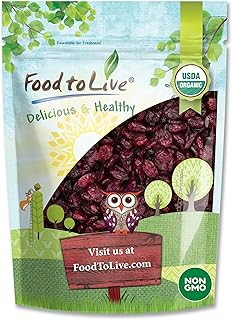
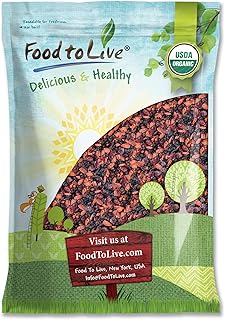
Strawberries, blueberries, raspberries, and especially cranberries are among the most underrated foods that freshen breath. They're rich in anthocyanins and proanthocyanidins — antioxidant compounds that prevent bacteria from adhering to tooth surfaces, cutting off their ability to build the odor-producing colonies that cause bad breath. Cranberry in particular contains a unique compound shown to block bacterial adhesion in the mouth the same way it does in the urinary tract — starving bacteria of the foothold they need.
Ingredients:
- 1 cup mixed fresh berries (strawberries, blueberries, raspberries)
- Optional: a few fresh mint leaves as garnish
How to use it:
- Rinse berries thoroughly under cold water.
- Arrange in a bowl and eat as a standalone snack or add to yogurt or oatmeal.
- Garnish with fresh mint leaves for a double-action breath-freshening combo.
Common questions:
- Are frozen berries as nutritious? Yes — they're flash-frozen at peak ripeness and retain most of their nutrients and antioxidants.
- How else can I add more berries to my diet? Blend into smoothies, stir into plain yogurt, or add to overnight oats for a convenient daily habit.
Berries: Nature's Candy
Editor's Choice



8. Carrots: Crunchy, Sweet, and One of the Best Natural Bad Breath Remedies

Raw carrots are one of the most satisfying and effective natural breath fresheners you can snack on. Their firm, fibrous texture scrubs plaque and food residue off tooth surfaces during the extended chewing they require — all while flooding your mouth with saliva. More saliva means more natural antibacterial activity, since saliva is packed with enzymes that neutralize odor-causing compounds. Carrots also deliver beta-carotene and vitamin A, which support the health of gum tissue and oral mucous membranes — addressing bad breath at the tissue level too.
Ingredients:
- 1–2 medium raw carrots
- Optional: hummus or tzatziki for dipping
How to use it:
- Wash the carrots well and peel if preferred.
- Cut into sticks or rounds — whichever makes snacking easier for you.
- Serve with your favorite dip. Hummus is an ideal partner: high in protein, low in sugar, and it doesn't cancel out the breath benefits.
Common questions:
- Can I cook carrots? Yes, but for breath-freshening purposes raw is far better — cooking softens the fibers that do the mechanical scrubbing work.
- How do I store them? Keep raw carrots in the fridge — they stay fresh for 2–3 weeks and are ready to grab any time.
Carrots: Crunchy and Sweet
Editor's Choice


Frequently Asked Questions About Natural Breath Fresheners
What is the fastest natural remedy for bad breath?
Can eating certain foods actually cure halitosis permanently?
Why does my breath smell bad even after brushing?
How long does it take for probiotic yogurt to improve bad breath?
Is green tea or peppermint tea better for fresh breath?
Are these natural breath fresheners safe for children?

🌿 Fresh Breath Starts on Your Plate — Not in a Mint Wrapper
The eight foods in this guide don't just mask bad breath for a few minutes — they target the bacteria, biofilm, and dry-mouth conditions that cause it in the first place. An apple after lunch. A cup of green tea in the morning. A yogurt bowl for your afternoon snack. These are small, effortless daily habits that compound into a genuinely fresher mouth over time.
Next time you instinctively reach for a mint, consider swapping it for one of these natural alternatives instead. Your breath — and your overall oral health — will be better for it. And if you're looking for quality products to support your fresh-breath journey, the picks above are a great place to start.
Note: We aim to provide accurate product links, but some may occasionally expire or become unavailable. If this happens, please search directly on Amazon for the product or a suitable alternative.
This post contains Amazon affiliate links, meaning we may earn a small commission if you purchase through our links, at no extra cost to you.