
There is no shortage of dental care myths circulating online, on social media, and even passed down through families. The problem is that believing the wrong ones can lead to habits that quietly damage your teeth, gums, and long-term oral health — often without you realizing it until a dentist appointment reveals the consequences.
In this guide, we're debunking 7 of the most common dental care myths — from brushing habits and cavities to whitening, flossing, and choosing the right products. For each myth, you'll get the verified facts and practical steps to protect your smile. By the end, you'll have a clear, evidence-based picture of what actually works in oral hygiene.
Key Takeaways
- Brushing twice daily — not just before bed — is essential. Overnight bacterial buildup makes your morning brush just as important as your evening one.
- Sugar is not the only cause of cavities. Acids, poor hygiene, and genetics all play significant roles that are often overlooked.
- Whitening toothpaste cannot change the natural color of your teeth — it only removes surface stains by up to one shade.
- Flossing is irreplaceable. Brushing only cleans about 60% of tooth surfaces; floss reaches the 40% between teeth where cavities and gum disease commonly begin.
- Regular dental visits matter even when teeth feel fine — most cavities, gum disease, and oral cancers are painless in their early, most treatable stages.
Contents
- Myth 1: You Only Need to Brush Before Bed
- Myth 2: Sugar is the Only Cause of Cavities
- Myth 3: Whitening Toothpaste is the Best Way to Whiten Teeth
- Myth 5: You Should Avoid the Dentist if Your Teeth Feel Fine
- Myth 6: All Dental Products Are Created Equal
Myth 1: You Only Need to Brush Before Bed

The Myth: Brushing once at night is sufficient for good dental health.
The Truth: Evening brushing is critical — it removes the day's food debris and plaque before bacteria have all night to produce acids that attack enamel. But the morning brush is equally important. While you sleep, saliva flow drops significantly, and bacteria in your mouth multiply rapidly, forming a fresh layer of plaque on your teeth overnight. Skipping the morning brush means swallowing that bacterial film and starting your day with acidic conditions already established in your mouth.
The American Dental Association recommends brushing twice daily for at least two minutes each session — once in the morning and once before bed — as the minimum standard for effective plaque control.
The Right Way to Brush for Maximum Protection
- Brush for a full two minutes each session — use a timer or an electric toothbrush with a built-in timer if needed
- Use a fluoride toothpaste; fluoride remineralizes enamel and is the single most evidence-supported ingredient in cavity prevention
- Hold your toothbrush at a 45-degree angle to your gumline and use short, circular strokes — not horizontal scrubbing, which can wear enamel
- Brush your tongue every session — it harbors more bacteria than any tooth surface and is a primary source of bad breath
- Wait 30 minutes after eating before brushing, especially after acidic foods or drinks, to avoid scrubbing softened enamel
Myth 2: Sugar is the Only Cause of Cavities

The Myth: Avoiding sugar means avoiding cavities.
The Truth: Sugar is a significant cavity risk factor, but it's not the complete picture. Cavities form when bacteria in your mouth metabolize any fermentable carbohydrate — including bread, chips, crackers, and fruit — and produce acids that erode tooth enamel. Acidic foods and drinks (citrus, soda, sports drinks, vinegar-based foods) cause direct enamel erosion without any bacterial involvement at all. Dry mouth, certain medications, genetics, and infrequent brushing all independently increase cavity risk regardless of sugar intake.
Someone who eats very little sugar but drinks sparkling water with lemon daily and skips flossing can develop significantly more cavities than someone who eats dessert but maintains rigorous oral hygiene. The full picture of cavity prevention is a combination of diet, hygiene, and professional care.
A Complete Approach to Cavity Prevention
- Limit not just sugar, but all fermentable carbohydrates — chips, crackers, and white bread are as cavity-promoting as sweets
- Reduce acidic drinks (sodas, citrus juices, sports drinks) and rinse with water immediately after consuming them
- Brush twice daily with fluoride toothpaste and floss once daily — this directly removes the plaque in which cavity-causing bacteria live
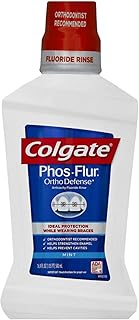
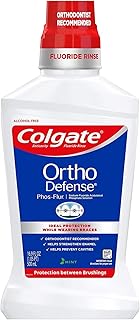
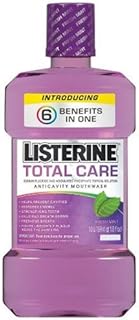
- Use a fluoride mouthwash as an additional layer of enamel protection, especially if you're cavity-prone
- Visit your dentist every six months for professional cleaning and early cavity detection
Myth 2: Sugar is the Only Cause of Cavities
Editor's Choice



📹 Related Video: What causes cavities? - Mel Rosenberg
Myth 3: Whitening Toothpaste is the Best Way to Whiten Teeth

The Myth: Whitening toothpaste will give you noticeably whiter teeth.
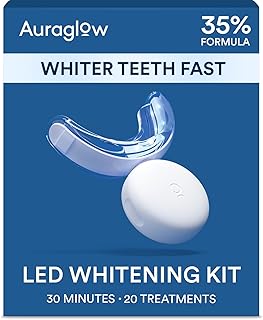
The Truth: Whitening toothpastes work primarily through mild abrasives or low-concentration chemical agents that remove surface stains — tea, coffee, red wine, tobacco. They cannot penetrate enamel to change the underlying natural color of your teeth. At best, most whitening toothpastes can brighten teeth by approximately one shade. By contrast, professional in-office whitening treatments use higher-concentration peroxide gels that penetrate the enamel structure and can lighten teeth by 3–6 shades. Quality at-home whitening kits with peroxide-based strips or trays fall in between, typically delivering 2–4 shades of improvement with consistent use.
If your goal is removing light surface stains, whitening toothpaste is a reasonable low-cost maintenance tool. If you want a visible change in tooth color, it's the wrong product for the job.
Whitening Options: What Actually Works
- Surface stain removal only: Whitening toothpaste (up to ~1 shade). Good for maintenance after whitening treatment.
- Moderate whitening at home: Peroxide-based strips or custom trays (2–4 shades). Requires consistent use over 1–2 weeks.
- Maximum results: Professional in-office treatment (3–6 shades). Fastest and most effective, supervised by a dentist.
- Always consult your dentist before whitening if you have crowns, veneers, or sensitive teeth — whitening agents don't affect dental restorations and can worsen sensitivity.
Whitening toothpaste may brighten teeth by up to 1 shade by removing surface stains. Professional treatments can lighten by 3–6 shades by penetrating enamel directly. For results you can actually see, a peroxide-based product or professional treatment is the right choice.
Myth 3: Whitening Toothpaste is the Best Way to...
Editor's Choice




Myth 5: You Should Avoid the Dentist if Your Teeth Feel Fine

The Myth: If nothing hurts, you don't need to see a dentist.
The Truth: This is one of the most consequential dental care myths because the conditions it leads people to miss are precisely the ones that are painless in their early stages. Cavities don't hurt until they reach the inner layer of the tooth (the dentin or pulp) — by which point what could have been a simple filling may now require a root canal. Gum disease is typically completely painless through its early and moderate stages, yet it's the leading cause of tooth loss in adults. Oral cancer, caught early, has a five-year survival rate of over 80%; caught late, it drops dramatically.
A dental check-up every six months allows your dentist to detect all of these conditions while they are still small, inexpensive, and straightforward to treat — before you feel any discomfort at all.
What Happens at a Routine Dental Check-Up
- Professional cleaning: Removes calcified tartar that no amount of brushing and flossing at home can eliminate
- Cavity detection: X-rays and visual examination find decay between teeth and under existing restorations before they cause pain
- Gum disease screening: Probing measures gum pocket depth — early periodontitis is fully reversible with professional treatment
- Oral cancer screening: Visual and tactile examination of soft tissues — takes under two minutes and can be life-saving
- Personalized advice: Your dentist can identify specific risk factors in your mouth — worn enamel, grinding damage, recession — and give tailored guidance
Myth 6: All Dental Products Are Created Equal

The Myth: Any toothpaste or mouthwash from the drugstore will give you the same results.
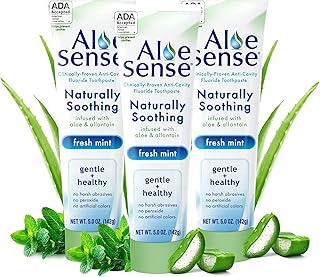
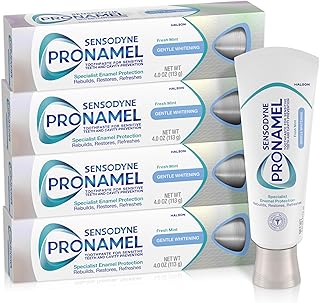
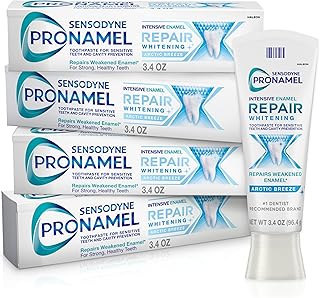
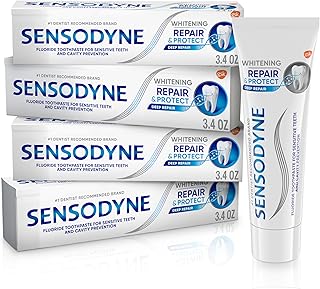
The Truth: Dental products differ significantly in their active ingredients, concentrations, and clinical evidence. Fluoride toothpaste has decades of research supporting cavity prevention; fluoride-free alternatives do not. Sensitivity toothpastes work through two different mechanisms (potassium nitrate for nerve desensitization, stannous fluoride for tubule occlusion) and choosing the wrong one may mean weeks of ineffective use. Mouthwashes marketed as "whitening" or "natural" may have no ADA Seal of Acceptance and no clinical evidence of effectiveness.
The most reliable indicator of proven effectiveness for any dental product is the ADA Seal of Acceptance — an independent evaluation confirming that the product does what its label claims, at the concentration listed.
How to Choose Dental Products That Actually Work
- Look for the ADA Seal of Acceptance on toothpastes and mouthwashes — this confirms independently verified effectiveness
- Always use a fluoride toothpaste as your primary toothpaste regardless of any additional benefits — fluoride is non-negotiable for cavity prevention
- If you have sensitive teeth, choose a sensitivity toothpaste with either potassium nitrate or stannous fluoride and use it consistently for at least 4–6 weeks to evaluate results
- Electric toothbrushes (oscillating or sonic) consistently outperform manual brushes in clinical studies for plaque removal and gum health — the investment is worthwhile
- Ask your dentist for product recommendations specific to your oral health profile — one product does not fit all mouths
Myth 6: All Dental Products Are Created Equal
Editor's Choice

Conclusion: Replace These Dental Myths With Facts That Protect Your Smile

Each of the dental care myths covered in this guide has one thing in common: believing it leads to a specific, avoidable harm — skipped morning brushes, ignored non-sugar cavity risks, wasted money on toothpaste that can't deliver results, missed dental visits that allow small problems to become expensive ones.
The good news is that the truth in each case is also actionable. Brush twice daily. Understand that cavity risk extends beyond sugar. Choose whitening products that match your actual goal. See your dentist every six months even when everything feels fine. Invest in products with verified clinical evidence. These aren't complex changes — they're small adjustments with a significant long-term payoff in dental health, cost savings, and confidence in your smile.
If you've been following any of these myths, it's never too late to course-correct. Your teeth and gums respond well to improved habits at any age.
Frequently Asked Questions: Dental Care Myths
Is it really necessary to brush teeth twice a day?
Yes — once daily is not enough. Brushing before bed removes the day's food debris and prevents bacteria from producing acid overnight. Brushing in the morning removes the overnight bacterial film that accumulates when saliva flow drops during sleep. The ADA recommends two two-minute brushing sessions daily as the minimum standard for effective plaque control and cavity prevention.
Does avoiding sugar prevent cavities?
Reducing sugar helps significantly, but it alone does not prevent cavities. Any fermentable carbohydrate — bread, crackers, chips, fruit — can feed cavity-causing bacteria. Acidic foods and drinks erode enamel without any bacterial involvement. Poor oral hygiene, dry mouth, genetics, and infrequent dental visits all independently increase cavity risk. A comprehensive approach of diet, hygiene, and professional care is necessary.
Does whitening toothpaste actually work?
Whitening toothpaste can remove surface stains from tea, coffee, and tobacco — typically improving appearance by about one shade. It cannot change the underlying natural color of your teeth. For a visible whitening effect of 2 shades or more, you need a peroxide-based product (strips, trays, or professional treatment) that penetrates enamel rather than just polishing the surface.
How often should you really go to the dentist?
Most dental and medical guidelines recommend a check-up and cleaning every six months. Some people with higher cavity or gum disease risk may benefit from more frequent visits (every 3–4 months). The key reason to go even when teeth feel fine is that most dental problems — early cavities, gum disease, and oral cancer — are painless in the early stages when they are most easily and inexpensively treated.
Is flossing really necessary if you brush well?
Yes. A toothbrush can only clean the exposed surfaces of your teeth — approximately 60% of all tooth surfaces. The 40% between teeth, where tooth surfaces are in contact, is completely inaccessible to a toothbrush. This is where cavities and gum disease most commonly begin. Flossing once daily is the only way to remove plaque and food debris from these surfaces. No amount of brushing technique compensates for skipping floss.
Are expensive dental products better than cheap ones?
Price is not a reliable indicator of effectiveness. The most reliable guide is the ADA Seal of Acceptance, which confirms independent clinical verification. A store-brand fluoride toothpaste with the ADA Seal will outperform an expensive fluoride-free "natural" alternative. Focus on active ingredients (fluoride for cavity prevention, potassium nitrate or stannous fluoride for sensitivity) rather than price or marketing claims.
Note: We aim to provide accurate product links, but some may occasionally expire or become unavailable. If this happens, please search directly on Amazon for the product or a suitable alternative.
This post contains Amazon affiliate links, meaning we may earn a small commission if you purchase through our links, at no extra cost to you.