
Let's be real — bad breath (halitosis) can shake your confidence in ways that nothing else quite does. Whether you're in a meeting, on a first date, or catching up with a friend, the worry about how your breath smells has a way of stealing your focus. The good news? In most cases, bad breath is entirely preventable through a handful of consistent daily habits.
The root cause of bad breath is almost always the same: odor-producing bacteria that thrive in dry, unclean mouths and feed on food residue, dead cells, and plaque. The seven lifestyle changes in this guide target each of those conditions directly — from your oral hygiene routine and hydration levels to your diet, stress, and smoking habits. These aren't complicated overhauls. They're small, practical shifts that compound into genuinely lasting results.
💡 Key Takeaways
- Oral hygiene is your first and most impactful line of defense — brushing, flossing, and scraping your tongue removes the bacteria before they produce odor
- Staying hydrated keeps saliva flowing throughout the day — your mouth's natural antibacterial self-cleaning system
- Sugar-free gum with xylitol stimulates saliva after meals and actively disrupts the bacteria that cause bad breath
- Breath-friendly foods like apples, carrots, parsley, and probiotic yogurt fight odor from the inside out
- Quitting smoking removes one of the most persistent and hardest-to-treat causes of chronic bad breath
- Stress management prevents the dry mouth and neglected hygiene that stress-driven habits create
- Alcohol-free mouthwash adds a layer of daily antibacterial protection without drying out your mouth the way alcohol-based rinses do
Contents
- 1. Master Your Oral Hygiene Routine
- 2. Stay Hydrated
- 3. Chew Sugar-Free Gum
- 4. Snack on Breath-Friendly Foods
- 5. Quit Smoking
- 6. Manage Stress Levels
- 7. Regularly Use Mouthwash
- Frequently Asked Questions
- Conclusion
1. Master Your Oral Hygiene Routine — Your First Defense Against Bad Breath

A strong oral hygiene routine is the single most effective thing you can do for fresher breath. Bad breath is primarily caused by bacteria living on your tongue, between your teeth, and along the gum line — and a consistent, thorough cleaning routine removes those bacteria before they get a chance to produce the volatile sulfur compounds that smell. Brushing alone isn't enough; the full routine matters.
How to Build a Complete Oral Hygiene Routine for Fresh Breath
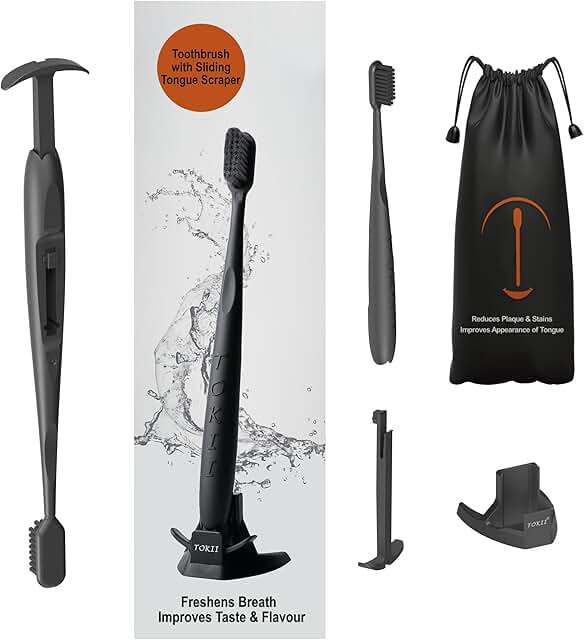
Start with brushing for two full minutes, twice a day, using a fluoride toothpaste. Most people brush for under a minute — setting a timer makes a real difference. After brushing, move to daily flossing, which reaches the spaces between teeth where your brush can't go and where some of the most odor-active bacteria hide. Finally, add a tongue scraper to your routine — studies show the tongue harbors up to 90% of the bacteria responsible for halitosis, and brushing alone doesn't clean it effectively.
Complete routine checklist:
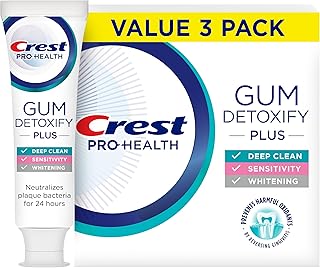
- Brush for at least two minutes, twice daily with fluoride toothpaste
- Floss once daily to remove trapped food and inter-dental plaque
- Scrape your tongue from back to front every morning
- Rinse with an alcohol-free mouthwash to finish the clean
- Schedule a dental check-up every six months to catch issues early
Master Your Oral Hygiene Routine
Editor's Choice




2. Stay Hydrated — Dry Mouth Is One of the Biggest Drivers of Bad Breath

Hydration and fresh breath are directly linked through saliva. When your body is well-hydrated, it produces a steady flow of saliva — the mouth's built-in antibacterial rinse that washes away food particles, neutralizes acids, and keeps bacterial populations in check. When you're dehydrated, saliva production drops, your mouth dries out, and the anaerobic bacteria responsible for bad breath thrive in the resulting low-oxygen, stagnant environment. This is why morning breath is so universal: saliva flow slows significantly during sleep.
How Much Water Do You Need for Fresh Breath?
Aim for at least eight glasses (about 2 liters) of water per day, and increase that if you're physically active or live in a warm climate. Sipping water consistently throughout the day is more effective than drinking large amounts at once. Avoid relying on caffeinated drinks or sugary beverages to meet your fluid needs — both promote dry mouth and can feed the bacteria you're trying to suppress.
Quick hydration habits for fresh breath:
- Keep a reusable water bottle visible on your desk as a constant reminder to sip
- Drink a glass of water immediately after waking — before breakfast, before coffee
- Snack on water-rich produce like cucumbers, celery, and watermelon between meals
- Limit caffeine and alcohol, which both accelerate dehydration and dry out oral tissues
- Use a bedroom humidifier if you sleep with your mouth open — nighttime mouth breathing is a major cause of morning halitosis
Stay Hydrated
Editor's Choice



3. Chew Sugar-Free Gum — The On-the-Go Saliva Booster That Actually Works

Chewing sugar-free gum after meals is one of the easiest and most evidence-backed habits for managing bad breath on the go. The act of chewing stimulates saliva production — and increased saliva flow washes away food debris, neutralizes the acids bacteria produce, and dilutes the sulfur compounds responsible for odor. The key is choosing the right gum. Look for xylitol as a listed ingredient: this natural sweetener doesn't just add taste — it actively disrupts bacterial cell walls and prevents the bacteria that cause bad breath and tooth decay from reproducing.
Why Xylitol Gum Is Better for Breath Than Regular Gum
Regular gum — even many "sugar-free" varieties without xylitol — only stimulates saliva temporarily. Xylitol gum does that and reduces bacterial load. Multiple clinical studies have confirmed that regular xylitol consumption measurably reduces Streptococcus mutans levels in the mouth — one of the primary bacteria involved in both tooth decay and halitosis. Chewing for 10–20 minutes after a meal maximizes the benefit.
How to get the most from this habit:
- Chew for 10–20 minutes after meals, especially lunch when you may not have access to a toothbrush
- Always choose sugar-free — regular gum feeds the very bacteria you're trying to control
- Prioritize products that list xylitol as the first or second sweetener
- Keep a pack in your bag, car, desk drawer, and jacket — wherever you'll actually use it
📹 Related Video: Using Gum or Mouthwash to Cover Your Bad Breath? | Dr. Pankaj Chopra
4. Snack on Breath-Friendly Foods — Let Your Diet Work for Your Oral Health

Your diet has a direct, daily impact on how your breath smells. Certain foods actively fight the bacteria and conditions that cause bad breath, while others (think garlic, onions, alcohol, and sugary snacks) make the problem significantly worse. Shifting your snacking habits toward breath-friendly foods is one of the most sustainable lifestyle changes you can make because it delivers benefits every time you eat.
Which Foods Help Fight Bad Breath — and Why
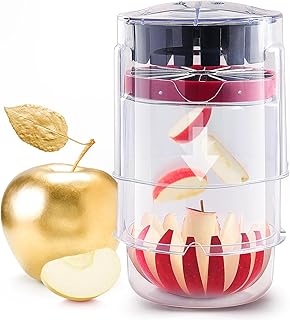
Crunchy fruits and vegetables like apples, carrots, and celery physically clean teeth as you chew, removing food debris and plaque while stimulating generous saliva production. Fresh herbs — especially parsley, mint, and cilantro — contain chlorophyll and essential oils that temporarily neutralize odors and inhibit certain bacteria. Probiotic yogurt (unsweetened, with live active cultures) takes a longer-term approach by rebalancing the oral microbiome, reducing the bacterial strains most responsible for producing bad-smelling sulfur compounds.
Top breath-friendly snacks to keep on hand:
- Sliced apples or raw carrot sticks — immediately after meals for a natural tooth-cleaning effect
- A few fresh parsley or mint sprigs — chew them directly for immediate odor neutralization
- A small bowl of plain probiotic yogurt — daily consumption produces lasting microbiome changes
- Celery sticks with hummus — hydrating, fiber-rich, and satisfying
- Plain nuts — low-sugar, low-odor, and they don't feed bad bacteria the way sweet snacks do
Snack on Breath-Friendly Foods
Editor's Choice


🦷 Boost Your Oral Health Today!
Transform your breath health with our Advanced Oral Health Support Formula for lasting freshness and confidence.
👉 Order Now5. Quit Smoking — Removing the Leading Cause of Persistent Bad Breath

Smoking is one of the most stubborn causes of bad breath — and one of the hardest to address with any other lifestyle change alone. Tobacco smoke leaves persistent chemical compounds in your mouth, throat, and lungs that no mint, gum, or mouthwash can fully neutralize. Beyond the smell of smoke itself, tobacco use dries out the mouth significantly, reducing the saliva flow that would otherwise keep bacteria in check. It also damages gum tissue and causes gum disease — another major independent source of halitosis. The most effective way to address smoking-related bad breath is to quit.
Practical Steps to Quit Smoking and Reclaim Your Breath
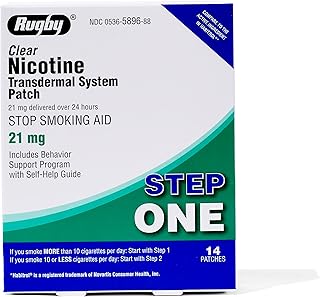
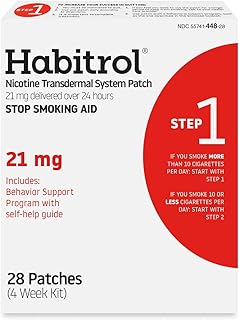
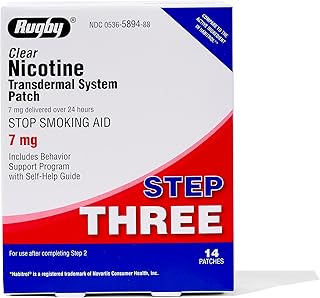
Quitting is rarely easy, but the oral health improvements are rapid and noticeable. Within days of stopping, saliva production begins to normalize and the persistent chemical odor starts to fade. Nicotine replacement options — patches, gum, and lozenges — help manage withdrawal while eliminating the combustion and chemical compounds that cause the worst breath effects.
- Set a clear quit date and remove all tobacco products from your environment before it arrives
- Tell a friend or family member your plan — social accountability significantly improves success rates
- Explore nicotine replacement therapy (patches, gum) or speak to a healthcare provider about cessation support options
- Mark milestones and reward yourself — 24 hours smoke-free, one week, one month all deserve acknowledgment
Quit Smoking
Editor's Choice


6. Manage Stress Levels — The Hidden Link Between Anxiety and Bad Breath

The connection between stress and bad breath is more direct than most people realize. When you're stressed or anxious, your body activates a fight-or-flight response that reduces saliva flow — creating the same dry-mouth conditions that bacteria love. Chronic stress also triggers mouth breathing, disrupted sleep, and the neglect of normal oral hygiene routines. On top of all that, stress can worsen gum inflammation, which is itself a significant source of halitosis. Managing your stress levels isn't just good for your mental health — it's a genuine part of your oral health strategy.
Simple Stress-Management Habits That Also Benefit Your Breath
You don't need a dramatic lifestyle overhaul. Small, consistent stress-reduction practices protect your oral health by normalizing saliva production, improving sleep quality, and making it more likely that you'll stick to your hygiene routine even on difficult days.
- Deep breathing exercises — even 5 minutes of slow nasal breathing activates the parasympathetic nervous system and increases saliva flow
- Yoga or stretching — regular practice reduces cortisol levels and improves sleep, both of which benefit oral health
- Regular aerobic exercise — 30 minutes most days reduces baseline stress hormones and improves circulation to oral tissues
- Protected downtime — scheduling genuine rest and hobbies prevents the chronic low-grade stress that often does the most cumulative damage
7. Regularly Use Mouthwash — Add an Antibacterial Layer to Your Daily Routine

A well-chosen mouthwash adds an antibacterial layer to your routine that brushing and flossing alone can't fully replicate — reaching the soft tissues of your cheeks, the back of your throat, and the areas between teeth that remain after brushing. The critical word is "well-chosen." Most over-the-counter mouthwashes contain alcohol, which creates a burning sensation and kills bacteria momentarily — but also dries out oral tissue significantly with regular use, which over time makes bad breath worse, not better. Always choose alcohol-free mouthwash for daily use.
What to Look for in a Mouthwash for Bad Breath
Effective mouthwash for bad breath should contain active antibacterial ingredients. Cetylpyridinium chloride (CPC) is one of the most well-studied for reducing volatile sulfur compounds. Chlorhexidine is the strongest antibacterial option, though it's usually recommended for short-term use only due to potential staining. Zinc-based formulas work by chemically binding to sulfur compounds, neutralizing them rather than just masking them.
- Use mouthwash as the final step after brushing and flossing — not before
- Always choose alcohol-free formulas for sustainable, everyday use
- Gargle for a full 30 seconds, ensuring the rinse reaches the back of your tongue and throat
- A quick rinse after lunch — even without brushing — can meaningfully reduce afternoon bad breath
Regularly Use Mouthwashes
Editor's Choice


Frequently Asked Questions About Bad Breath and Lifestyle
How long does it take to notice an improvement in bad breath after changing habits?
Why is my breath still bad even after I brush twice a day?
Does stress really cause bad breath?
Is alcohol-free mouthwash actually better than regular mouthwash for bad breath?
How quickly does breath improve after quitting smoking?
What is the single most impactful lifestyle change for better breath?

🌿 Fresh, Confident Breath Is Built One Habit at a Time
You don't need to overhaul your entire life to transform your breath. Start with one or two of these changes — add a tongue scraper to your morning routine, carry a water bottle, swap in xylitol gum after meals. Each habit you build makes the next one easier, and the cumulative effect on your oral health and daily confidence is genuinely significant. The tools and products above can help you get started right away.
Taking charge of your breath health is one of the most immediate confidence investments you can make. The results are noticeable, the changes are sustainable, and you deserve to feel at ease in every conversation.
Note: We aim to provide accurate product links, but some may occasionally expire or become unavailable. If this happens, please search directly on Amazon for the product or a suitable alternative.
This post contains Amazon affiliate links, meaning we may earn a small commission if you purchase through our links, at no extra cost to you.