
Natural remedies for halitosis have attracted renewed scientific interest in recent years — and with good reason. While prescription treatments and clinical procedures have their place, many of the most effective tools for combating chronic bad breath are rooted in simple, evidence-backed natural ingredients. The catch is that most people use them incorrectly, inconsistently, or without understanding what they're actually doing to the oral environment.
The eight home remedies for halitosis in this guide aren't just folk wisdom — each has a documented mechanism of action. Fresh mint and parsley work through chlorophyll and volatile compounds that neutralize odor. Baking soda alters the pH environment that odor-causing bacteria depend on. Green tea's catechin compounds suppress the growth of key bacterial species responsible for volatile sulfur compound (VSC) production. Probiotics rebalance the oral microbiome. These aren't temporary fixes — they address the conditions that allow halitosis to persist.
This guide explains exactly how each remedy works, how to use it effectively, and what to realistically expect. Whether you're looking for a quick post-meal refresh or a long-term strategy to improve your oral microbiome, you'll find practical, actionable options here.
Key Takeaways
- Natural remedies work best when you understand their mechanism — mint masks and neutralizes; baking soda shifts pH; green tea and clove oil suppress bacteria directly; probiotics compete with odor-causing species for colonization space.
- Most kitchen-staple remedies are most effective when used immediately after meals, when food debris and bacterial activity are at their highest.
- Hydration underlies everything — saliva is the mouth's primary antimicrobial system, and even mild dehydration impairs it meaningfully.
- None of these remedies replaces brushing, flossing, and tongue scraping, but they significantly amplify the results of a solid hygiene routine.
- Consistency matters far more than intensity — daily use of even one or two of these remedies will produce better results than occasional heavy use of all eight.
Contents
- 1. Minty Freshness from Fresh Mint Leaves
- 2. Baking Soda: The Simple Deodorizer
- 3. Green Tea: A Natural Antioxidant
- 4. Probiotics: Gut Health for a Fresh Mouth
- 5. Apple Cider Vinegar: The Potent Cleanser
- 6. Clove Oil: Nature's Antiseptic
- 7. Parsley: The Natural Breath Freshener
- 8. Hydration: Water is Everything
- Frequently Asked Questions
1. Minty Freshness from Fresh Mint Leaves

Fresh mint leaves are one of nature's most accessible and pleasant natural remedies for halitosis — but their mechanism goes considerably deeper than just pleasant scent. Mint contains menthol, a compound that activates cold-sensitive receptors in the mouth, creating a cooling sensation that most people associate with freshness. More practically, menthol has demonstrated antimicrobial properties against several of the anaerobic bacterial species responsible for producing volatile sulfur compounds (VSCs), the primary chemical cause of bad breath.
Fresh mint leaves also contain chlorophyll, the green pigment that has a documented deodorizing effect — it binds to and neutralizes some odor molecules directly rather than merely covering them. This dual action (antimicrobial + deodorizing) makes fresh mint more effective than commercial mint-flavored products that typically contain only synthetic menthol with no chlorophyll content.
Mint tea adds another layer of benefit: the warm liquid helps stimulate saliva production (saliva being the mouth's primary antibacterial defense system), and the act of drinking flushes away food debris and dead cells that bacteria would otherwise metabolize into odorous compounds.
How to use fresh mint most effectively:
- Chew 5–10 fresh mint leaves slowly for 1–2 minutes, especially after meals containing garlic, onions, or strong protein — the mechanical chewing also stimulates saliva
- Brew mint tea by steeping a handful of fresh leaves in freshly boiled water for 5 minutes; allow to cool slightly before drinking for maximum chlorophyll extraction
- Add mint leaves generously to salads, smoothies, and water — these are the most consistent, low-effort ways to build daily mint consumption into your routine
- For maximum effect, use fresh mint leaves rather than dried or mint extract products, which have lower chlorophyll and menthol content
📹 Related Video: How To Get Rid Bad Breath INSTANTLY - Using Mint Leaves Get Rid Bad Breath For All
2. Baking Soda: The Simple Deodorizer

Baking soda (sodium bicarbonate) is one of the most scientifically well-supported natural remedies for halitosis, and its mechanism is elegantly simple: it is an alkaline compound that raises the pH of the oral environment. This matters because the bacteria most responsible for bad breath — the anaerobic species that produce hydrogen sulfide, methyl mercaptan, and other VSCs — thrive in acidic conditions. By neutralizing oral acidity, baking soda directly disrupts the chemical conditions these bacteria depend on to flourish.
Research has consistently shown that baking soda-based toothpastes outperform conventional fluoride toothpastes for plaque reduction and oral pH management, making it one of the few home remedies with robust clinical backing. Its mild abrasive texture also provides gentle mechanical cleaning of the tooth surface and tongue, removing the biofilm layer where odor-causing bacteria reside.
One important note: while baking soda is effective as a deodorizer and antibacterial agent, it does not contain fluoride — so if you use it as a toothpaste replacement, cavity protection is reduced. The best approach for most people is to use it as a rinse or supplement to fluoride toothpaste rather than a complete replacement.
How to use baking soda effectively for fresh breath:
- For a mouth rinse: dissolve 1 teaspoon in a cup (8 oz) of warm water; swish vigorously for 30–60 seconds, concentrating on the back of the tongue and hard-to-reach areas, then spit — do not swallow
- For brushing: make a paste by mixing 1 tablespoon baking soda with just enough water to form a spreadable consistency; brush gently for 2 minutes then rinse thoroughly — use this no more than 2–3 times per week alongside your regular fluoride toothpaste
- Use after consuming acidic foods (coffee, citrus, vinegar-based foods) to neutralize oral acidity and prevent the acid spike that odor-causing bacteria exploit
- Avoid over-use: daily baking soda brushing can cause enamel abrasion over time — as a rinse it is safe for daily use
Baking Soda: The Simple Deodorizer
Editor's Choice





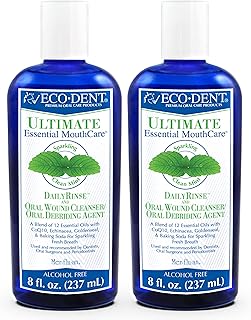
✨ Transform Your Oral Health Today!
Unlock fresher breath and a brighter smile with our Advanced Oral Health Support Formula designed for holistic wellness.
👉 Boost Your Smile
3. Green Tea: A Natural Antioxidant

Green tea is one of the most rigorously studied natural remedies for halitosis, and the evidence is compelling. Its primary active compounds — catechins, particularly epigallocatechin-3-gallate (EGCG) — have been shown in laboratory and clinical studies to directly inhibit the growth of several bacterial species most responsible for VSC production in the mouth, including Porphyromonas gingivalis and Fusobacterium nucleatum. These are the same bacteria associated with gum disease and some of the most persistent forms of bad breath.
Green tea catechins work through two mechanisms. First, they disrupt bacterial cell membranes, reducing the ability of odor-producing species to survive and replicate. Second, they have been shown to reduce the concentration of VSCs in the mouth measurably — one mechanism being the direct chemical reaction of catechins with hydrogen sulfide, one of the primary VSC odor compounds.
Green tea also contributes to oral health through its fluoride content (naturally occurring in tea leaves) and its ability to reduce gum inflammation, which is itself a significant driver of chronic halitosis. As a warm liquid, it additionally stimulates saliva production, enhancing the mouth's natural cleansing function.
How to get the most from green tea for breath health:
- Brew at 70–80°C (160–175°F) rather than boiling — very high temperatures destroy catechins; cooled-boiled water is ideal
- Steep for 3–5 minutes; longer steeping extracts more catechins but also increases bitterness
- Drink 2–3 cups daily, particularly after meals and in the morning when oral bacterial levels are highest from overnight activity
- Plain green tea (no milk, which binds catechins and reduces their availability) is most effective
- Matcha provides a significantly higher catechin concentration than standard green tea bags, since you are consuming the whole ground leaf
- Swish the tea around your mouth gently before swallowing to maximize contact time with oral surfaces
Green Tea: A Natural Antioxidant
Editor's Choice


4. Probiotics: Gut Health for a Fresh Mouth

The connection between probiotics and bad breath operates through two distinct pathways — the oral microbiome and the gut — and understanding both clarifies why this remedy is more powerful than it first appears.
In the mouth, the oral microbiome is a community of hundreds of bacterial species in a constant state of competitive balance. When odor-producing anaerobic bacteria — the VSC producers — gain dominance, halitosis follows. Oral probiotics, particularly strains of Streptococcus salivarius K12 and M18, have been shown in clinical trials to produce compounds (bacteriocins) that directly suppress the growth of the bacteria most responsible for bad breath, including Solobacterium moorei, which is one of the primary tongue bacteria linked to halitosis. These competitive strains essentially crowd out the odor producers, restoring a healthier microbiome balance.
The gut pathway is secondary but real: digestive imbalances — including dysbiosis (disrupted gut bacterial balance), GERD, and poor digestion — can contribute to breath odor that originates from the digestive system and is exhaled through the lungs. Probiotic-rich foods and supplements support a healthier digestive environment, which reduces this source of systemic bad breath.
How to use probiotics effectively for halitosis:
- For oral-specific benefit, look for products containing Streptococcus salivarius K12 — oral probiotic lozenges or chewable tablets that dissolve in the mouth are most effective, as they deliver bacteria directly where it's needed
- For gut-pathway benefit, eat probiotic-rich fermented foods daily: plain unsweetened yogurt with live cultures, kefir, sauerkraut, kimchi, miso, or tempeh
- Timing matters — eat probiotic foods with or after meals rather than on an empty stomach, as stomach acid is lower post-meal
- Pair probiotics with prebiotic foods (garlic, onions, bananas, oats, asparagus) that feed beneficial bacteria and help them establish in the gut
- Results build over 2–4 weeks of consistent use; this is a long-game remedy rather than an immediate fix
5. Apple Cider Vinegar: The Potent Cleanser

Apple cider vinegar (ACV) is a remedy that requires some nuance — it is effective when used correctly, and potentially counterproductive when not. Its primary active component for breath improvement is acetic acid, which has well-documented antimicrobial properties against a range of oral bacterial species. The acidity of ACV also temporarily shifts the oral environment in a direction that is hostile to the anaerobic bacteria responsible for VSC production.
Additionally, raw, unfiltered ACV with "the mother" (the colony of beneficial bacteria and enzymes that remains from fermentation) functions as a mild probiotic, supporting the digestive environment in ways that reduce gut-origin bad breath. It may also help with mild GERD by promoting more complete gastric acid production, which is paradoxically reduced in some GERD sufferers, contributing to incomplete digestion and fermentation-related breath odor.
The important caveat: ACV is highly acidic (pH approximately 2.5–3.0) and prolonged direct contact with tooth enamel is corrosive. This makes the dilution and rinsing steps non-negotiable, not optional. Using ACV undiluted in the mouth, or as a regular gargle without rinsing, will erode enamel over time and worsen overall oral health.
How to use ACV safely and effectively for breath:
- Always dilute: a standard ratio is 1 tablespoon ACV in 8 oz (240ml) of water — never use undiluted in the mouth
- If gargling, do so for 20–30 seconds then immediately rinse with plain water
- Wait at least 30 minutes before brushing after any acid exposure (including ACV) — acid temporarily softens enamel, and brushing during this window increases abrasion
- Drinking diluted ACV before meals (with a straw to minimize tooth contact) can support digestion; this route maximizes gut benefits while minimizing oral enamel exposure
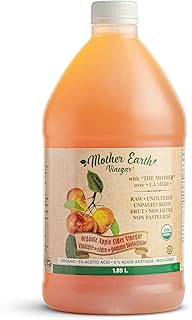
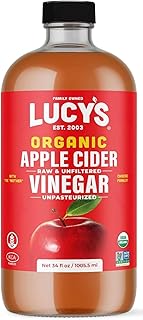
- Use raw, unfiltered ACV with "the mother" for maximum probiotic benefit — filtered ACV is primarily just acetic acid
- Limit frequency to once or twice daily — more frequent use increases enamel erosion risk without proportionally greater benefit
Apple Cider Vinegar: The Potent Cleanser
Editor's Choice



6. Clove Oil: Nature's Antiseptic

Clove oil is one of the most potent natural antiseptics available, and its effectiveness against oral bacteria is extensively documented. Its primary active compound, eugenol, is a phenylpropanoid with broad-spectrum antimicrobial action against the bacteria most responsible for halitosis, dental caries, and gum disease. Eugenol works by disrupting bacterial cell walls and inhibiting the enzyme activity these bacteria need to produce odorous compounds.
Eugenol's antiseptic properties are so well-established that it forms the active basis of many dental materials, including the temporary cavity fillings dentists use between procedures, and traditional endodontic (root canal) sealers. Chewing whole cloves releases eugenol directly into the oral cavity, providing immediate antibacterial action and a warming, spiced scent that effectively masks odor while the antiseptic effect takes hold.
Because clove oil is highly concentrated, it requires careful use. Undiluted clove oil can irritate or burn oral mucosa — this is not a case where "more is better." One drop in a cup of water is sufficient and effective. People with known sensitivities to eugenol (which includes some individuals who have reacted to dental materials) should avoid clove oil.
How to use clove oil safely for halitosis:
- Mouth rinse: add 1 drop of food-grade clove essential oil to a full cup (8 oz) of warm water; swish for 30 seconds and spit — do not swallow
- Whole cloves: chew 2–3 whole cloves slowly, moving them around the mouth to release eugenol across all oral surfaces, then discard — do not swallow in large quantities
- Clove rinse is particularly effective after meals with strong-smelling foods and before social occasions
- Use no more than once or twice daily; excessive eugenol exposure can irritate gum tissue with prolonged regular use
- Store clove oil in a cool, dark place in a dark glass bottle — it degrades with light and heat
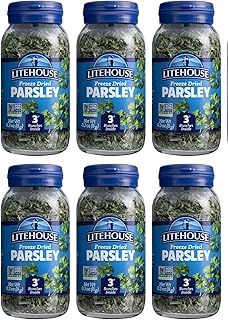
7. Parsley: The Natural Breath Freshener

Parsley has served as a natural breath freshener in culinary traditions worldwide for centuries, and its mechanism is well-understood. It is exceptionally rich in chlorophyll — the same green pigment found in mint — which is a natural deodorizer that neutralizes odor molecules by binding to them chemically. Some researchers hypothesize that chlorophyll's deodorizing action works in part by interfering with the enzymatic processes that produce VSCs in the mouth.
Beyond chlorophyll, parsley contains high concentrations of polyphenols, including apigenin and luteolin, which have demonstrated antimicrobial properties against oral pathogens. Fresh parsley also contains monoterpenes — naturally occurring compounds with their own mild antiseptic properties — that contribute to its overall effectiveness against oral bacteria.
The fact that parsley is a familiar food rather than a supplement or medicinal product makes it one of the most sustainable daily habits on this list. Chewing parsley after a meal takes seconds, is available almost everywhere, and delivers fresh-breath benefits that compete meaningfully with commercial breath freshening products — without alcohol, artificial sweeteners, or synthetic compounds.
How to make parsley a consistent part of your breath-freshening routine:
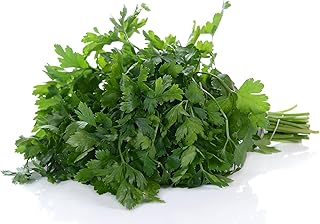
- Keep a bunch of fresh flat-leaf parsley (Italian parsley) in the refrigerator at all times — it stays fresh for up to a week in water like cut flowers
- Chew a small sprig (5–10 leaves) slowly and thoroughly after meals, especially meals containing garlic, onions, or meat
- Add parsley generously to salads, grain bowls, soups, and sauces — the more parsley in your diet overall, the more consistent the chlorophyll exposure
- Blend parsley into green smoothies or fresh juices with lemon, cucumber, and apple — this is an easy, daily way to consume meaningful amounts
- Curly parsley has a milder flavor for those who find flat-leaf parsley too strong to chew on its own
Parsley: The Natural Breath Freshener
Editor's Choice


8. Hydration: Water is Everything

Hydration may be the least glamorous remedy on this list, but it is arguably the most foundational. Every other remedy on this list works better in a well-hydrated oral environment — and most of them work poorly in a dry one. The reason comes down to saliva: saliva is the mouth's primary antibacterial system, and its production is directly tied to hydration status.
Saliva contains lysozyme, lactoferrin, immunoglobulin A, and other antimicrobial proteins that actively suppress the growth of odor-causing bacteria. It mechanically clears food debris and dead cells from oral surfaces, removing the substrate that bacteria would otherwise metabolize into VSCs. It buffers the oral environment against acidity, preventing the pH drops that allow anaerobic bacteria to thrive. When you are even mildly dehydrated — a state that many adults are in for significant portions of the day — salivary flow decreases, bacterial populations grow unchecked, and bad breath worsens correspondingly.
This is why morning breath is typically at its worst: overnight, you are not drinking water, and saliva production naturally decreases during sleep (especially if you breathe through your mouth). The bacterial activity that accumulates during those 7–8 hours without salivary protection is the primary source of morning breath.
Practical strategies to use hydration as an active breath remedy:
- Drink a large glass of water immediately upon waking — this is the single most effective morning breath intervention available
- Sip water consistently throughout the day rather than drinking large amounts infrequently; frequent small amounts maintain salivary flow more effectively
- Aim for approximately 8 cups (2 liters) of water daily as a baseline, adjusting upward for exercise, heat, and caffeine or alcohol consumption, which are all diuretics
- Rinse your mouth with water immediately after every meal when brushing isn't possible — this alone significantly reduces post-meal bacterial activity
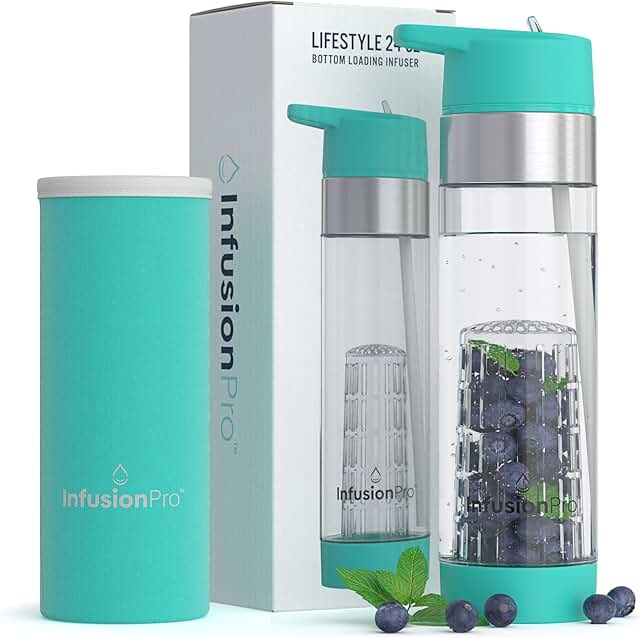
- Infuse water with mint, cucumber, or lemon if plain water is hard to drink consistently — the flavor encourages more frequent sipping and mint/lemon add their own mild antibacterial benefits
- Limit coffee, alcohol, and sodas, which contribute to dehydration; if you consume these, follow each with a glass of water
Hydration: Water is Everything
Editor's Choice




Frequently Asked Questions
Which natural remedy works fastest for bad breath?
For immediate relief, chewing fresh mint leaves or whole cloves provides the fastest results — both work within minutes. Mint delivers menthol and chlorophyll that mask and neutralize odor simultaneously, while clove's eugenol directly suppresses the bacteria producing the odor. A baking soda rinse is also very fast-acting, typically producing noticeable improvement within seconds of use as it neutralizes the acidic environment bacteria depend on.
Do natural remedies for halitosis actually work, or are they just myths?
Several of these remedies have solid scientific backing. Baking soda's ability to neutralize oral acids and suppress bacterial activity is well-documented. Green tea catechins' effect on oral bacteria responsible for VSC production has been demonstrated in peer-reviewed studies. Chlorophyll's deodorizing properties (present in mint and parsley) are established at a chemical level. Probiotics — particularly Streptococcus salivarius K12 — have clinical trial evidence for halitosis reduction. The remedies with the weakest direct evidence as mouth treatments are apple cider vinegar, which works better as a digestive support when consumed diluted than as a mouth rinse.
Can these remedies replace brushing and flossing?
No — and this distinction is important. Brushing and flossing physically remove the plaque biofilm and food debris that bacteria live in and metabolize. Natural remedies work by altering the chemical environment (pH, bacterial populations, odor molecules), but without physically removing the biofilm, the odor-producing bacteria quickly repopulate. Think of natural remedies as powerful amplifiers of a solid hygiene routine, not substitutes for one.
How long does it take to see results from these natural remedies?
It depends on the remedy and what you're treating. Immediate odor masking (mint, cloves) is instant. Baking soda rinse effects are also immediate but temporary. Green tea's antibacterial benefits build with consistent daily use over 1–2 weeks. Probiotics for microbiome rebalancing typically require 2–4 weeks of consistent use before a measurable difference in chronic halitosis is noticed. Hydration improvements can show results within days as saliva production normalizes.
Is it safe to use apple cider vinegar in the mouth regularly?
With proper precautions, diluted ACV is safe for occasional use as a mouth rinse. The key rules are: always dilute (1 tablespoon in 8 oz water minimum), always rinse with plain water immediately after, and never brush for at least 30 minutes following any acid exposure. Daily undiluted use would erode enamel. For people with acid reflux, existing enamel erosion, or sensitive teeth, it is better to use ACV as a diluted drink consumed through a straw rather than as a mouth rinse.
Conclusion

The eight natural remedies for halitosis in this guide share a common thread: they work with the biology of your mouth rather than against it. Instead of masking odor with alcohol-based mouthwashes that worsen dry mouth, or relying on synthetic compounds, these remedies use menthol, chlorophyll, catechins, eugenol, acetic acid, and beneficial bacteria to address the conditions that allow halitosis to persist in the first place.
You don't need to use all eight. The most sustainable approach is to choose two or three that fit naturally into your existing routine — perhaps morning green tea, fresh parsley after lunch, and a baking soda rinse before bed — and build from there. Consistent, modest use of these remedies, layered over a solid foundation of brushing, tongue scraping, flossing, and good hydration, is the path to genuinely fresher breath that lasts.
Have a remedy that's worked particularly well for you, or a question about combining any of these approaches? Share in the comments — your experience is genuinely valuable to others working through the same challenge.
Note: We aim to provide accurate product links, but some may occasionally expire or become unavailable. If this happens, please search directly on Amazon for the product or a suitable alternative.
This post contains Amazon affiliate links, meaning we may earn a small commission if you purchase through our links, at no extra cost to you.