
Most of us think about breath freshening as a purely cosmetic concern — a mint before a meeting, a quick rinse after coffee. But there is a deeper connection between the quality of your breath and the quality of your mindfulness practice. When your breath feels clean and your mouth is at ease, it is far easier to settle into stillness and stay present.
This guide brings together eight breath freshening techniques that serve a dual purpose: they improve oral freshness naturally while actively supporting relaxation, focus, and mindful awareness. Whether you enjoy herbal rituals, breathwork, aromatherapy, or guided meditation, there is something here that fits your lifestyle. Each technique is simple to start today — at home, at work, or anywhere you carve out a moment of calm.
By the time you reach the end of this article, you'll have a practical toolkit for refreshing both your breath and your mindset, making every mindfulness session more rewarding.
Key Takeaways
- Herbal infusions like mint and lemon balm tea freshen breath naturally while supporting a calm, focused mindset during meditation.
- Essential oils such as eucalyptus and lavender engage the senses and deepen breath awareness when added to your breathwork routine.
- Citrus-infused water hydrates, neutralizes mouth odor, and boosts energy — an effortless addition to any mindfulness session.
- Breath of Fire (Kapalabhati) is a powerful pranayama technique that clears the respiratory tract and sharpens mental clarity in just one minute.
- Mindful herbal tea sipping and guided breath meditation are accessible, low-effort practices that can anchor a calming daily routine.
Contents
- 1. Herbal Infusions for Your Mind
- 2. Breath Exercises with Essential Oils
- 4. Citrus Breath Boosters
- 5. Breath of Fire for Energy
- 6. Mindful Sipping with Herbal Teas
- 7. Guided Breath Meditation
- Frequently Asked Questions
1. Herbal Infusions for Your Mind

Brewing a simple herbal infusion is one of the oldest and most effective natural breath freshening techniques available. Herbs like peppermint, spearmint, and lemon balm contain volatile oils — primarily menthol and rosmarinic acid — that neutralize odor-causing bacteria in the mouth and throat, leaving a naturally clean, refreshed feeling that lasts well into your meditation session.
Beyond breath freshness, these herbs offer genuine calming benefits. Lemon balm has been shown in clinical studies to reduce anxiety and improve mood, while peppermint supports digestion and creates a cooling clarity that is especially welcome during warm-weather practice. Together, they make herbal infusions a ritual worth building into your daily routine.
How to prepare your herbal infusion:
- Gather 1 generous handful of fresh mint or lemon balm leaves (or 1–2 tsp dried)
- Bring 4 cups of water to a gentle boil
- Pour over the herbs and steep for 8–10 minutes, covered, to preserve volatile oils
- Strain, allow to cool slightly, and sip slowly at the start of your mindfulness session
For variety, combine peppermint with a slice of fresh ginger or a small piece of cinnamon bark — both are additional natural breath fresheners with their own anti-inflammatory properties.
2. Breath Exercises with Essential Oils

Pairing breathwork with essential oils is a powerful way to sharpen your sensory focus during meditation while freshening the air around you. The olfactory system — our sense of smell — has a direct neural pathway to the limbic system, the brain region responsible for emotion and memory. This is why the right scent can shift your mental state almost instantly.
Eucalyptus oil opens the airways and promotes clearer nasal breathing, which is fundamental to effective breathwork. Lavender is widely recognized for its calming, anxiety-reducing properties. Peppermint essential oil adds freshness to the air and improves alertness — useful when you want to meditate without drifting into drowsiness.
Simple steps to add essential oils to your breathing practice:
- Add 3–5 drops of your chosen oil to a diffuser and let it run for 5 minutes before you begin
- Alternatively, place 1–2 drops on the palms of your hands, cup them over your nose, and take 3 slow, deep breaths before sitting down
- Focus on the full arc of each breath — inhale for 4 counts, hold briefly, exhale for 6 counts
- Visualize the scent clearing and refreshing your airways with each breath
Caution: Always dilute essential oils before skin contact and avoid direct inhalation from the bottle for extended periods.
4. Citrus Breath Boosters

Citrus fruits are among nature's most effective breath fresheners. Oranges, lemons, and grapefruits are high in vitamin C, which creates an environment in the mouth that is hostile to odor-producing anaerobic bacteria. Their natural acidity also stimulates saliva production — and since saliva is the mouth's primary self-cleaning mechanism, more saliva means fresher breath throughout your practice.
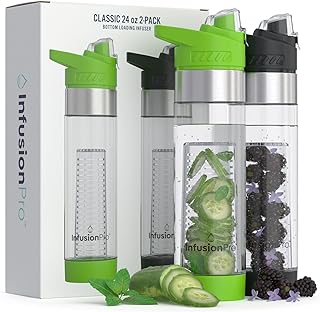
Infusing water with citrus slices is a simple, sugar-free way to stay hydrated during meditation while delivering a continuous gentle burst of freshness. It also makes plain water more appealing, encouraging you to drink more consistently — another key factor in combating dry mouth and bad breath.
How to make your citrus breath-boosting water:
- Thinly slice 1 orange, 1 lemon, and ½ a grapefruit
- Combine in a large pitcher with 8 cups of cold filtered water
- Refrigerate for at least 2 hours to allow flavors to fully develop
- Pour a glass before your mindfulness session and sip slowly as you settle in
You can also add a few sprigs of fresh mint to the pitcher for an extra layer of breath-freshening effect.
Citrus Breath Boosters
Editor's Choice




5. Breath of Fire for Energy

Breath of Fire — known in yoga as Kapalabhati pranayama — is one of the most effective breathwork techniques for simultaneously energizing the body and clearing the respiratory tract. The rapid, rhythmic exhalations flush stale air from the lower lungs, increase oxygen delivery to the brain, and generate internal heat that stimulates the digestive system and metabolism. Many practitioners also find it noticeably freshens the breath by expelling volatile compounds from deep within the lungs.
This technique is a staple of Kundalini yoga and is practiced worldwide as a morning energizer and mental reset. Even 30–60 seconds of Breath of Fire can break through afternoon mental fog, making it a valuable tool whether you practice at dawn or after a long workday.
How to practice Breath of Fire safely:
- Sit upright with your spine tall — cross-legged on a cushion, or in a chair with feet flat on the floor
- Take a full, natural inhale through the nose
- Begin a series of rapid, forceful exhalations through the nose, letting the inhale happen passively between each exhale
- Aim for 1–2 pumps per second, keeping your shoulders relaxed and your belly doing the work
- Start with 30 seconds, gradually building to 1–3 minutes as you become comfortable
- Finish with a slow, deep inhale, hold for 5 seconds, and exhale fully
Note: Avoid Breath of Fire if you are pregnant, have high blood pressure, or experience dizziness. Beginners should start slowly and stop if lightheadedness occurs.
Breath of Fire for Energy
Editor's Choice


📹 Related Video: Breathing Techniques (Yoga, Meditation, Relaxation) — Kapalbhati
6. Mindful Sipping with Herbal Teas

Mindful tea sipping transforms a simple daily habit into a powerful breath freshening and relaxation ritual. The key distinction between drinking tea absentmindedly and drinking it mindfully is where your attention goes. When you slow down, hold the warm cup, inhale the steam before the first sip, and truly taste each mouthful, you activate the parasympathetic nervous system — the "rest and digest" state that is the foundation of effective meditation.
Peppermint tea is a particularly good choice for this practice: menthol actively neutralizes volatile sulfur compounds (the primary cause of bad breath) while its cool, clean aroma heightens sensory awareness. Chamomile offers gentle floral notes and contains apigenin, a compound with mild sedative properties that supports deeper relaxation. Green tea, with its chlorophyll content, is another natural breath deodorizer worth exploring.
Steps for a mindful tea ritual:
- Boil fresh water and pour it over your chosen tea bag or loose-leaf herbs
- Steep for 5–8 minutes, resisting the urge to check your phone during this time
- Remove the tea and, if desired, add a small drizzle of raw honey (also antimicrobial)
- Hold the cup with both hands, close your eyes, and inhale the steam for three slow breaths before your first sip
- Drink slowly, pausing between sips to notice warmth, flavor, and the gradual quieting of your thoughts
Taking just five minutes to sip herbal tea mindfully — without screens or distractions — can meaningfully slow your breathing rate and shift your nervous system toward calm. It is one of the simplest breath freshening techniques you can build into an existing daily routine.
Mindful Sipping with Herbal Teas
Editor's Choice



7. Guided Breath Meditation

Guided breath meditation is one of the most accessible entry points into mindfulness, and it works exceptionally well when combined with the other breath freshening techniques in this guide. Having an external voice guide your attention removes the effort of self-direction, allowing you to go deeper into breath awareness than you might on your own.
During a guided session, the instructor typically prompts you to notice the sensation of air entering and leaving through the nose — its temperature, texture, and rhythm. This acute attention to the breath naturally slows it down, activates the parasympathetic nervous system, and brings the mind out of anxious thought and into present-moment experience.
Apps like Insight Timer, Calm, and Headspace offer hundreds of breath-focused guided sessions ranging from 3 minutes to an hour, making it easy to find something that fits your schedule and experience level.
How to start a guided breath meditation practice:
- Choose a quiet location and sit comfortably with your spine upright
- Select a breath-focused session from a meditation app (start with 5–10 minutes if you're new)
- If you've prepared a herbal tea or diffused an essential oil beforehand, take one slow, intentional breath before pressing play
- Close your eyes, follow the guidance, and when your mind wanders — which it will — simply return your attention to the breath without judgment
- After the session, sit quietly for 1–2 minutes before opening your eyes
Guided breath meditation pairs beautifully with the other breath freshening techniques in this list — a cup of peppermint tea before you sit, a few drops of lavender in the diffuser, and five minutes with a guided track can transform an ordinary break into a genuinely restorative practice.
Guided Breath Meditation
Editor's Choice



Frequently Asked Questions
What are the most effective natural breath freshening techniques?
The most reliable natural options include drinking peppermint or green tea (menthol and chlorophyll actively neutralize odor-causing bacteria), staying well-hydrated throughout the day, chewing fresh herbs like parsley or mint, and practicing nasal breathing rather than mouth breathing during exercise and meditation. Consistent oral hygiene — brushing twice daily and flossing — remains the single most impactful habit.
Can breathwork actually improve bad breath?
Yes, indirectly. Techniques like Breath of Fire increase circulation and stimulate the digestive system, which can reduce one of the common underlying causes of bad breath — sluggish digestion and bacterial buildup in the gut. Nasal breathing also prevents the dry mouth that accelerates bacterial growth in the oral cavity.
How long does it take to see results from these techniques?
Some techniques — like sipping peppermint tea or using an essential oil diffuser — provide an almost immediate freshening effect. Building a consistent mindfulness and hydration routine typically produces noticeable improvements in overall oral freshness within 1–2 weeks.
Which essential oils are best for breath freshening during meditation?
Peppermint, spearmint, and eucalyptus are the most effective for freshening the air and supporting clear nasal breathing. Lavender and frankincense are better chosen for their calming properties rather than breath freshening specifically. For the best of both worlds, try blending peppermint with lavender in your diffuser.
Are these techniques suitable for beginners to mindfulness?
Absolutely. Every technique in this guide is beginner-friendly. Herbal tea sipping, citrus water, and guided breath meditation in particular require no prior experience and can be started today without any equipment beyond what most households already have.
Conclusion

The eight breath freshening techniques in this guide share a common thread: they work on multiple levels at once. They freshen your breath through natural, chemical-free means, and they deepen your mindfulness practice by engaging the senses, calming the nervous system, and drawing your attention back to the present moment.
You don't need to adopt all eight at once. Start with the one that resonates most — perhaps a cup of peppermint tea before your next meditation session, or a few minutes of Breath of Fire in the morning. Build from there. Small, consistent rituals compound over time into meaningful changes in how calm, clear, and confident you feel throughout your day.
Have a technique that works for you but isn't listed here? Share it in the comments — your experience could be exactly what someone else needs to hear.
Note: We aim to provide accurate product links, but some may occasionally expire or become unavailable. If this happens, please search directly on Amazon for the product or a suitable alternative.
This post contains Amazon affiliate links, meaning we may earn a small commission if you purchase through our links, at no extra cost to you.