
Nobody wants to be worrying about their breath mid-conversation. But if you've ever relied on mints or gum and felt the freshness fade within minutes, there's a better approach: certain everyday foods don't just temporarily mask odor — they fight the bacteria causing it. The root cause of bad breath in 85–90% of cases is volatile sulfur compounds (VSCs) produced by oral bacteria feeding on food residue in your mouth. The right foods disrupt that process directly.
This guide covers 9 foods that naturally keep your breath fresh throughout the day — from crunchy apples that act as a mechanical toothbrush to probiotic yogurt that rebalances your oral microbiome from the inside out. These aren't complicated additions to your routine. They're satisfying snacks and drinks you can easily work into any meal. By the end, you'll have a practical list of natural bad breath remedies that taste great and actually work.
💡 Key Takeaways
- Crunchy foods like apples and carrots physically scrub teeth and stimulate saliva — your mouth's built-in antibacterial defense
- Fresh mint contains menthol and rosmarinic acid that chemically neutralize odor compounds, not just mask them
- Probiotic yogurt rebalances the oral microbiome over time, reducing the bacterial strains that produce bad breath
- Green tea's catechins are proven to inhibit the growth of bad-breath-causing bacteria — 1–2 cups daily makes a measurable difference
- Pineapple's bromelain enzyme dissolves the bacterial biofilm on teeth and tongue that's the primary home of odor-producing bacteria
- Chia seeds support digestive and gut health, which indirectly reduces breath odor that originates from digestive imbalance
- Citrus fruits stimulate saliva flow and provide vitamin C that supports gum health — unhealthy gums are a major source of chronic bad breath
- Hydration is the thread connecting all of these: staying well-hydrated keeps saliva flowing and maximizes the breath-freshening effect of every food on this list
Contents
- 1. Crunchy Apples
- 2. Fresh Mint
- 3. Crunchy Carrots
- 4. Yogurt
- 5. Green Tea
- 6. Chia Seeds
- 7. Celery
- 8. Pineapple
- 9. Citrus Fruits
- Frequently Asked Questions
- Conclusion
1. Crunchy Apples — Nature's Toothbrush for Fresh Breath

Biting into a crisp apple does something no mint can: it physically cleans your teeth while you eat. The dense, fibrous texture of apple flesh scrubs plaque and food debris from tooth surfaces with every chew, while the polyphenols in apple skin chemically neutralize the volatile sulfur compounds that cause bad breath. Add to this that apples stimulate significant saliva production — your mouth's natural antibacterial rinse — and you have one of the most effective post-meal breath fresheners available.
Why Whole Apples Beat Apple Juice Every Time
Apple juice concentrates the sugar while eliminating the fiber and physical cleaning action that make whole apples valuable for oral health. Sugar feeds the very bacteria you're trying to suppress. Whole apples — especially crunchier varieties like Granny Smith, Honeycrisp, or Fuji — deliver maximum fiber density and polyphenol content. Keep the skin on; that's where most of the breath-fighting compounds are concentrated.
- Eat a whole apple after meals as a natural finish to your meal — it cleans residue before bacteria can metabolize it
- Pair with a small piece of aged cheese to raise oral pH and add calcium protection for enamel
- Keep pre-sliced apple wedges in the fridge for a quick grab-and-go snack during the day
FAQs:
- Can I eat any kind of apple? Yes, all varieties work — crunchier is better for the mechanical cleaning effect.
- What about apple juice? Whole apples are significantly better — juice lacks fiber, lacks the cleaning action, and concentrates sugar that feeds bacteria.
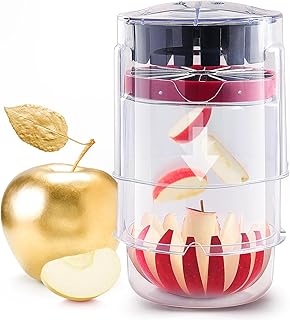
Crunchy Apples
Editor's Choice





🌟 Ultimate Breath Freshness Solution
Enhance your oral health and keep your breath fresh all day with our advanced support formula!
👉 Buy Now2. Fresh Mint — The Most Powerful Natural Breath Freshener (You Must Try This One!)

Here's the critical distinction that makes fresh mint a standout on this list: it doesn't just mask bad breath — it neutralizes the compounds causing it. Fresh mint leaves contain menthol, rosmarinic acid, and a range of essential oils with proven antibacterial activity against the specific strains of oral bacteria most responsible for halitosis. Chewing a few leaves releases these compounds directly into your oral environment, coating your tongue and soft tissues where odor-producing bacteria live. It's fundamentally more effective than the synthetic mint flavoring in commercial gum.
How to Use Fresh Mint for Maximum Breath-Freshening Effect
Chewing 3–5 fresh leaves directly after a meal is the most immediate method — you'll notice the effect within seconds. For a longer-lasting option, steep fresh mint leaves in boiling water for 5 minutes and drink the tea warm or chilled. Add a slice of lemon for a more complex flavor and to further stimulate saliva flow. Keep a bunch of fresh mint in your refrigerator so it's always accessible — it stays fresh for up to a week in a glass of water, like flowers in a vase.
- Chew 3–5 fresh leaves after any strong-smelling meal (garlic, onion, coffee) for immediate odor neutralization
- Add fresh mint to your water bottle for a flavorful, breath-supporting drink throughout the day
- Blend into smoothies for a morning drink that freshens breath while adding nutrients
FAQs:
- Can I use dried mint instead? Fresh mint is more potent — its essential oil content drops significantly during the drying process. Dried mint still works for tea but produces less immediate impact for direct chewing.
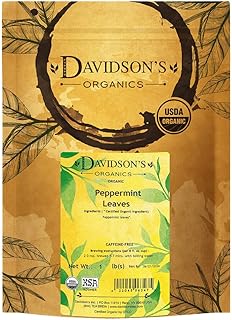
Fresh Mint
Editor's Choice



3. Crunchy Carrots — The Saliva-Boosting Plaque Fighter

Raw carrots work on three levels simultaneously to support fresh breath. First, their firm, fibrous texture mechanically removes plaque and food residue from tooth surfaces during the sustained chewing they require. Second, that extended chewing stimulates substantial saliva production — saliva is your mouth's natural antibacterial rinse and the most effective tool your body has for keeping bacterial populations in check. Third, carrots deliver beta-carotene and vitamin A, which support the health of oral mucous membranes and gum tissue, reducing the underlying inflammation that contributes to chronic bad breath.
Carrots vs. Carrot Juice for Fresh Breath
Juicing carrots removes the fibrous structure that does the mechanical cleaning, and it concentrates natural sugars that oral bacteria can feed on. Whole raw carrots are significantly more effective for fresh breath — the physical chewing action is a core part of how they work. Choose organic when possible for better flavor and texture. Store cut carrot sticks in cold water in the refrigerator to keep them crisp and ready to grab.
- Eat a handful of carrot sticks immediately after lunch — they'll clean the meal's residue and flood your mouth with fresh saliva
- Pair with hummus for a satisfying snack with added protein that doesn't promote bad breath
- Keep baby carrots in your bag or desk drawer for a convenient between-meal breath reset
FAQs:
- Can I drink carrot juice instead? No — eating whole raw carrots is far more effective for fresh breath. Juicing removes the fiber and chewing action that are central to how carrots clean the mouth.
Crunchy Carrots
Editor's Choice



4. Probiotic Yogurt — The Food That Rebalances Your Oral Microbiome

Yogurt is the only food on this list that works by fundamentally changing who lives in your mouth. The live Lactobacillus cultures in probiotic yogurt compete directly with odor-producing bacteria for space and nutrients in your oral cavity, gradually displacing them over weeks of consistent consumption. A Japanese clinical study demonstrated that daily consumption of unsweetened probiotic yogurt reduced hydrogen sulfide levels — a primary chemical marker of bad breath — by up to 80% in participants over six weeks. No mint comes close to that result.
How to Choose the Right Yogurt for Fresh Breath
The label must say "Live Active Cultures" — this is non-negotiable for oral health benefits. Plain Greek yogurt is the optimal choice: highest probiotic concentration, lowest sugar content, and highest protein. Flavored yogurts with added sugar actively counteract the probiotic benefit by feeding the bacteria you're trying to crowd out. Top plain yogurt with fresh berries and a small drizzle of honey for a naturally sweet, double-action breath-freshening snack.
- Eat one small bowl of plain probiotic yogurt daily — consistency over 4–6 weeks produces the most meaningful microbiome change
- Add fresh mint to your yogurt for a combined antibacterial and probiotic effect
- Use plain yogurt as a salad dressing base — a versatile way to add it to your routine without making it feel repetitive
FAQs:
- Is flavored yogurt just as good? No — added sugars in flavored yogurts feed the bad bacteria you're trying to suppress, significantly undermining the probiotic benefit.
Yogurt
Editor's Choice


5. Green Tea — The Catechin-Rich Drink That Kills Bad Breath Bacteria

Green tea earns its place on this list through clinical evidence, not just reputation. Its catechins — a class of polyphenol antioxidants — inhibit the growth of the specific bacteria most responsible for halitosis, including Streptococcus mutans and Porphyromonas gingivalis. Studies have confirmed that regular green tea consumption measurably reduces volatile sulfur compound levels in the mouth. Unlike caffeinated drinks that dry out oral tissue and worsen bad breath, a cup or two of green tea provides antibacterial benefit while keeping you hydrated.
Steep for 2–3 minutes in water around 80°C (not boiling) to preserve catechin content. Drink unsweetened. Add lemon for enhanced catechin bioavailability and mild salivary stimulation. One to two cups daily is the evidence-backed minimum for meaningful oral health benefit.
- Drink a cup after lunch as a breath-resetting midday ritual that also counts toward your daily hydration
- Brew and refrigerate for a sugar-free iced green tea — a practical alternative to sweetened cold drinks
FAQs:
- How many cups should I drink? 1–2 cups daily provides the most benefit without excessive caffeine intake. If you're sensitive to caffeine, drink your green tea before 2pm.
6. Chia Seeds — The Digestive Support That Freshens Breath From the Inside

Chia seeds address bad breath from an angle most people don't think about: gut health. While most bad breath originates in the mouth, a meaningful proportion — particularly the kind that persists despite good oral hygiene — comes from the digestive system. Gut dysbiosis, constipation, and poor fiber intake can all contribute to breath odor that no amount of brushing will fix because the source isn't oral bacteria. Chia seeds are one of the most fiber-dense foods available: two tablespoons deliver 10 grams of dietary fiber, which feeds beneficial gut bacteria, supports healthy digestion, and helps reduce the fermentation-related odors that can migrate upward to the breath.
Easy Ways to Add Chia Seeds to Your Daily Diet
The simplest method is chia pudding: combine two tablespoons of chia seeds with one cup of almond milk or plain yogurt, stir well, and refrigerate overnight. The seeds absorb the liquid and form a creamy, pudding-like texture that can be topped with fruit and eaten as breakfast or a snack. Chia seeds can also be stirred into smoothies, sprinkled on oatmeal, or added to water with lemon for a high-fiber hydration boost.
- Combine with plain yogurt for a double-action breath-freshening snack that covers both the oral microbiome and gut health
- Make overnight chia pudding the evening before — no morning prep required
FAQs:
- Can I use ground chia seeds? Whole seeds offer better texture in pudding and provide a slightly different fiber profile. Both whole and ground are nutritionally effective.
📹 Related Video: Do Chia Seeds Have ANY Benefits?
7. Celery — The High-Water Snack That Hydrates and Cleans Your Mouth Simultaneously

Celery's combination of 95% water content and dense fibrous structure makes it uniquely effective at two things simultaneously: hydrating your oral tissues to maintain saliva flow, and physically cleaning your teeth as you chew. Dry mouth is one of the most common and underappreciated causes of bad breath — when saliva flow drops, bacteria multiply rapidly. Celery works against this by flooding your mouth with moisture while its fibers sweep debris from tooth surfaces. It's a low-calorie, zero-sugar snack that never contributes to the problem it's helping solve.
- Eat celery sticks midday when salivary flow naturally decreases — it's one of the most effective between-meal fresh breath resets available
- Pair with peanut butter or hummus for a filling snack with no sugar to feed oral bacteria
- Store pre-washed celery sticks submerged in cold water in the fridge — they stay crisp for days and are always grab-and-go ready
FAQs:
- Can I juice celery? Juicing removes the fiber and chewing action that do the mechanical cleaning work. For fresh breath specifically, whole stalks are significantly more effective than juice.
8. Pineapple — Bromelain's Enzymatic Attack on Bacterial Biofilm

Fresh pineapple contains bromelain — a proteolytic enzyme that dissolves the bacterial biofilm (the sticky plaque layer) that coats teeth, tongue, and gum lines. That biofilm is the primary environment where odor-producing bacteria live and breed. Breaking it down removes their habitat and cuts off their food supply simultaneously. Pineapple's natural acidity also stimulates saliva production, adding a hydration benefit on top of the enzymatic one. The result is a fruit that approaches bad breath from two angles at once.
- Eat 3–4 chunks of fresh pineapple after a meal — rinse your mouth with water afterward given its mild acidity
- Combine with plain yogurt for breakfast — the bromelain and probiotics work on different aspects of oral health simultaneously
FAQs:
- Is canned pineapple just as good? No — heat processing destroys bromelain entirely. Only fresh pineapple delivers the enzymatic benefit for bad breath.
Pineapple
Editor's Choice





9. Citrus Fruits — Vitamin C for Gum Health and Saliva Stimulation

Citrus fruits contribute to fresh breath through two distinct mechanisms. First, their vitamin C content directly supports gum health — vitamin C deficiency leads to weakened gum tissue and increased susceptibility to periodontal inflammation, which is itself one of the most significant independent sources of chronic bad breath. Second, the acidity of citrus fruits immediately stimulates salivary flow, giving your mouth's natural cleaning system a short, sharp boost. Oranges, lemons, grapefruits, and limes all work well in this role.
- Add lemon to your water throughout the day — a simple way to get saliva-stimulating benefit without overdoing acidity
- Eat orange segments as a post-meal snack — combine with a few mint leaves for a dual-action breath refresh
FAQs:
- Can I eat dried citrus? Fresh is significantly better — dried citrus has much higher sugar concentration and minimal saliva-stimulating effect.
Frequently Asked Questions About Foods That Freshen Breath
What foods naturally eliminate bad breath?
How quickly do these foods freshen breath?
Can eating the right foods replace brushing for fresh breath?
Is fresh mint better than commercial mints for bad breath?
Why is fresh pineapple better than canned for bad breath?
Do chia seeds really help with bad breath?

🍃 Fresh Breath Is Built One Snack at a Time
The nine foods in this guide approach bad breath from different angles — mechanical cleaning, antibacterial compounds, microbiome rebalancing, enzymatic action, and saliva support. You don't need all nine at once. Start with what's most convenient: grab an apple after lunch, add a cup of green tea to your afternoon, try chewing fresh mint after dinner. Each small, consistent habit compounds into a noticeably fresher, healthier mouth over time.
From crunchy apples to refreshing green tea, swapping even a few of your usual snacks for these breath-friendly choices makes a real, lasting difference. Your mouth — and anyone you're talking to — will notice.
Note: We aim to provide accurate product links, but some may occasionally expire or become unavailable. If this happens, please search directly on Amazon for the product or a suitable alternative.
This post contains Amazon affiliate links, meaning we may earn a small commission if you purchase through our links, at no extra cost to you.