
Most people think of bad breath as an oral hygiene problem — a matter of brushing and flossing. But one of the most overlooked root causes is far simpler: dehydration. When the body lacks adequate water, saliva production drops, and saliva is the mouth's natural self-cleaning system. Without it, odor-causing bacteria thrive, the throat and airways dry out, and breath quality declines noticeably.
The good news is that proper hydration and breath health are deeply linked — which means improving one naturally improves the other. Whether you're an athlete pushing your performance, a singer protecting your voice, or simply someone who wants to feel and smell their best, the 25 wellness hacks in this guide are built for you.
These strategies go beyond "drink more water." You'll find practical tools for tracking your intake, delicious alternatives to plain water, food-based hydration, breathing exercises that amplify the effect of staying hydrated, and small daily habits that build lasting change. Each tip is easy to start today — no special equipment, no complicated routines.
Let's get into it.
Key Takeaways
- Saliva is your breath's first line of defense — staying well-hydrated keeps saliva flowing, which neutralizes odor-causing bacteria throughout the day.
- Drinking water before meals supports digestion, reduces post-meal breath odors, and helps with portion control — a simple habit with compounding benefits.
- Water-rich foods like cucumbers, watermelon, and leafy greens contribute meaningfully to your daily fluid intake while delivering vitamins and minerals that support oral health.
- Hydration reminders and tracking apps make it dramatically easier to hit your daily water goals, especially on busy days when thirst signals get ignored.
- Breathing exercises combined with proper hydration can significantly improve lung capacity, oxygen efficiency, and the quality of your breath over time.
Contents
- 1. Start Your Day with Water
- 3. Herbal Teas for Hydration
- 4. Set Hydration Goals
- 5. Eat Water-Rich Foods
- 6. Use Hydration Reminders
- 7. Experiment with Sparkling Water
- 8. Keep Water Accessible
- 9. Balance Electrolytes
- 10. Stay Active
- 11. Practice Breathing Exercises
- 12. Avoid Dehydrating Caffeine and Alcohol
- 13. Create a Fun Water Challenge
- 14. Enjoy Water-Based Smoothies
- 15. Utilize Hydration Apps
- 16. Embrace Coconut Water
- 17. Try Water Color Changing Cups
- 18. Make Herbal Ice Cubes
- 19. Use a Straw
- 20. Hydration Before Meals
- 21. Listen to Your Body
- 22. Celebrate Your Progress
- 23. Choose Quality Over Quantity
- 24. Educate Yourself
- Frequently Asked Questions
1. Start Your Day with Water

After six to eight hours of sleep, your body wakes up mildly dehydrated. Your mouth has had no saliva flow during deep sleep, which means bacteria have had the entire night to multiply undisturbed — this is the main reason for "morning breath." Drinking 1–2 glasses of water immediately after waking is one of the fastest, most effective ways to flush those overnight bacteria and restart saliva production.
Beyond oral health, morning hydration kickstarts your metabolism, supports kidney function, and helps clear the digestive tract. Adding a squeeze of fresh lemon provides a small hit of vitamin C, which has mild antimicrobial properties and further supports fresh breath. The habit takes less than 60 seconds and sets a positive tone for the rest of your hydration day.
How to make morning hydration automatic:
- Place a full glass of water on your nightstand before bed so it's the first thing you see
- Drink it before reaching for your phone, making it a zero-willpower habit
- Follow with a squeeze of lemon or a few mint leaves for added freshness
- Set a phone reminder for the first week until the habit is established
Within a few days, you'll notice a meaningful difference in how fresh your mouth feels when you get up.
Starting each morning with 1–2 glasses of water is one of the simplest hydration and breath health habits you can build — it takes seconds, costs nothing, and immediately addresses the overnight bacterial buildup that causes morning breath.
3. Herbal Teas for Hydration

Herbal teas count toward your daily fluid intake and offer targeted breath health benefits that plain water does not. Peppermint tea contains menthol, which directly neutralizes volatile sulfur compounds — the primary cause of bad breath. Ginger tea stimulates digestion and reduces the gut fermentation that can cause breath odors from within. Green tea contains polyphenols that inhibit the growth of oral bacteria, while chamomile supports relaxation and reduces stress-related dry mouth.
For people who struggle to drink enough plain water throughout the day, herbal teas are a highly effective strategy because they add variety and warmth without the dehydrating effects of caffeine. Hot or iced, they make hitting your daily fluid target genuinely enjoyable.
How to build a herbal tea hydration habit:
- Swap one daily coffee or soft drink for a mug of peppermint or green tea
- Keep a selection of 2–3 herbal teas at your desk so choosing is effortless
- Use raw honey as a natural sweetener if desired — it also has mild antimicrobial properties
- Brew a large cold-steeped batch in the fridge overnight for easy iced tea throughout the day
Herbal Teas for Hydration
Editor's Choice




4. Set Hydration Goals

Most people underestimate how little they drink on busy days — and this shortfall shows up directly in breath quality. Without intentional tracking, it's easy to reach the afternoon having consumed barely half your optimal intake. Setting a specific daily hydration goal turns an abstract wellness intention into a measurable, achievable target.
The commonly cited "eight 8-ounce glasses" per day (about 2 liters) is a reasonable baseline for most adults, but your actual needs vary based on body weight, activity level, climate, and diet. A practical rule of thumb: your urine should be pale yellow throughout the day. Dark yellow signals dehydration; this directly correlates with reduced saliva flow and worsening breath odor.
Practical ways to set and keep hydration goals:
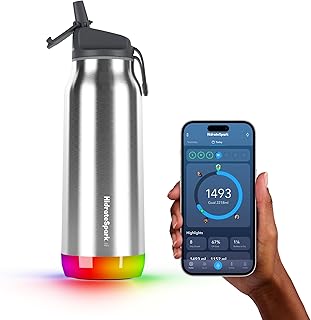
- Use a time-marked water bottle (marks at 8 AM, 10 AM, noon, etc.) as a visual progress gauge
- Set a specific number — for example, three 500ml bottles daily — rather than a vague "drink more water"
- Track your intake in a health app or even a simple tally on a sticky note
- On high-activity or hot days, add 500ml to your baseline target for every hour of exercise
5. Eat Water-Rich Foods

Roughly 20% of our daily water intake comes not from drinking, but from eating — and choosing the right foods can meaningfully boost your hydration and breath health simultaneously. Cucumbers (96% water), watermelon (92% water), celery, strawberries, oranges, and leafy greens like lettuce and spinach are among the most hydrating foods available, and many also contain nutrients with direct oral health benefits.
Crunchy raw vegetables like carrots and celery act as natural tooth scrubbers, mechanically removing plaque and food debris that bacteria feed on. Citrus fruits are high in vitamin C, which helps prevent gum inflammation and supports healthy oral tissue. Parsley and mint are classic natural breath fresheners, containing chlorophyll that neutralizes odor compounds.
Easy ways to add water-rich foods to your daily diet:
- Start lunch with a cucumber and mint salad — it hydrates, freshens, and fills you up
- Keep sliced watermelon or strawberries in the fridge for snacking instead of processed foods
- Add leafy greens to morning smoothies for a low-taste, high-hydration and nutrition boost
- Snack on celery with natural nut butter — it scrubs teeth and contributes to your fluid intake
6. Use Hydration Reminders

Thirst is actually a late indicator of dehydration — by the time you feel thirsty, your body's fluid balance is already somewhat depleted, and dry mouth has begun to set in. This is why active reminders are so effective: they prompt you to sip before you reach the thirst threshold, maintaining consistent saliva production and breath freshness throughout the day.
The most effective approach is to anchor hydration to existing habits — a practice behavioral scientists call "habit stacking." Drink water when your alarm goes off, when you make your morning coffee, before each meeting, and after each bathroom visit. These existing behaviors become reliable triggers that remove the need for willpower.
Reminder strategies that actually work:
- Set recurring phone alarms every 90 minutes during your waking hours
- Use a hydration app like WaterMinder or Hydro Coach that sends push notifications
- Place a full glass of water on your desk at the start of each work block
- Pair every cup of coffee with a glass of water to offset caffeine's mild diuretic effect
📹 Related Video: How to Properly Hydrate & How Much Water to Drink Each Day | Dr. Andrew Huberman
7. Experiment with Sparkling Water

If plain water feels monotonous, sparkling water is one of the best hydration upgrades available. The carbonation adds a sensory dimension that many people find more satisfying, which naturally leads to drinking more throughout the day. Plain sparkling water (without added sugars or artificial flavors) is just as hydrating as still water and has a mild natural sourness that can actually help clean the palate.
One useful habit: add a wedge of lemon or lime, a few slices of cucumber, or a small sprig of mint to your sparkling water. Each of these additions layers in natural breath-freshening compounds — citric acid, chlorophyll, and menthol — without any calories or artificial ingredients.
Tips for making sparkling water a regular habit:
- Invest in a home carbonator to make fresh sparkling water cheaply and sustainably
- Keep a bottle pre-infused with fruit or herbs in the fridge so it's ready to grab
- Use sparkling water as a mixer with a splash of 100% fruit juice for a natural "soda" substitute
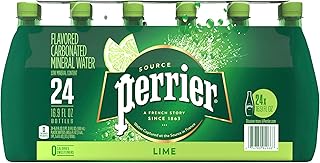
- Choose mineral varieties like S.Pellegrino or Perrier for a small bonus of magnesium and calcium
8. Keep Water Accessible

Environmental design is one of the most powerful behavior-change tools available, and it applies directly to hydration. Research consistently shows that the easier a healthy behavior is to perform, the more often it gets done. When water is within arm's reach, people drink significantly more of it throughout the day — and that steady intake is exactly what keeps the mouth moist, saliva flowing, and breath fresh.
Think through your typical day and identify the gaps where a water bottle nearby would make sipping effortless: your car's cupholder, your work desk, your kitchen counter, your gym bag, your bedside table. Each new location is another opportunity to hydrate without having to make a conscious decision.
How to design your environment for hydration success:
- Invest in a reusable bottle you genuinely like using — aesthetics matter for habit adherence
- Keep a dedicated bottle at work that never leaves your desk
- Set a rule: leave for any car trip with a full bottle
- Create a "hydration station" at home with a pitcher, glasses, and sliced fruit already in the fridge
Keep Water Accessible
Editor's Choice


9. Balance Electrolytes

Drinking large amounts of plain water without adequate electrolytes can actually impair hydration at the cellular level. Electrolytes — primarily sodium, potassium, magnesium, and calcium — regulate how fluid moves in and out of cells. When they're out of balance, water passes through the body without being properly absorbed, leaving tissue including the oral mucosa (the lining of the mouth) inadequately hydrated.
This is especially relevant for active people, those in hot climates, or anyone who drinks a lot of water but still notices dry mouth or persistent breath concerns. Natural electrolyte sources — coconut water, bananas, avocados, leafy greens, and a pinch of sea salt in water — are generally preferable to commercial sports drinks, which often contain sugar and artificial flavors that can worsen oral health.
Simple ways to maintain electrolyte balance:
- Add a small pinch of sea salt and a squeeze of lemon to a glass of water after exercise
- Drink pure coconut water (no added sugar) after strenuous activity as a natural replenishment
- Eat a banana or a handful of leafy greens daily for potassium and magnesium
- If you sweat heavily, consider an electrolyte powder with no added sugar dissolved in water
10. Stay Active

Regular physical activity and hydration reinforce each other in a virtuous cycle. Exercise increases your body's fluid needs, making you more naturally conscious of drinking water. At the same time, being well-hydrated improves exercise performance, endurance, and recovery — and supports healthier lung function and breath capacity.
Exercise also directly benefits oral health. Increased circulation during activity delivers more oxygen and nutrients to gum tissue, reducing the risk of gum disease. Nasal breathing during exercise — rather than mouth breathing — keeps the oral cavity moist and prevents the dryness that accelerates bacterial growth and breath odor.
Hydration habits to build around exercise:
- Drink 500ml of water 1–2 hours before your workout
- Sip 150–250ml every 15–20 minutes during sustained exercise
- Rehydrate with water or a light electrolyte drink within 30 minutes of finishing
- Practice nasal breathing during low to moderate intensity activity to protect oral moisture
You might also like

25 Easy DIY Home Decor Projects That Will Transform Your Space (Even Beginners Can Do #12!)

21 Bathroom Storage Hacks for Small Spaces That Will Blow Your Mind (Number 8 is a Game Changer!)
11. Practice Breathing Exercises

Dedicated breathing exercises amplify the benefits of proper hydration for lung and breath health in ways that drinking water alone cannot achieve. Well-hydrated airways and lung tissue are more elastic and efficient — and breathing exercises train you to use that capacity more fully. Diaphragmatic (belly) breathing, in particular, encourages complete lung expansion, better oxygen exchange, and improved airway clearance.
Nasal breathing — the foundation of most breathing practices — is also one of the best passive breath fresheners available. The nose filters, humidifies, and warms incoming air, reducing airway dryness. Mouth breathers, by contrast, experience significantly higher rates of dry mouth and associated bad breath because bypassing the nose removes this natural humidification step.
Beginner breathing exercises to pair with your hydration routine:
- Diaphragmatic breathing: Place one hand on your belly, inhale slowly through the nose for 4 counts letting your belly rise, exhale for 6 counts. Repeat for 5 minutes.
- Box breathing: Inhale for 4 counts, hold for 4, exhale for 4, hold for 4. Excellent for stress and respiratory control.
- 4-7-8 breathing: Inhale for 4, hold for 7, exhale for 8. Strongly activates the parasympathetic nervous system and promotes nasal breathing.
Practicing diaphragmatic breathing while well-hydrated creates a meaningful synergy: hydrated lung tissue is more flexible and responsive, allowing each breath to go deeper and achieve better oxygen exchange. Sip water before your practice and notice the difference in how freely your airways feel.
12. Avoid Dehydrating Caffeine and Alcohol

Both caffeine and alcohol are diuretics — they increase urine output and reduce the body's ability to retain fluid, which leads to dehydration. For breath health specifically, this matters because dehydration causes a measurable reduction in saliva production. Saliva contains enzymes and antibodies that actively suppress bacteria; less saliva means more bacteria, which means worse breath.
Alcohol has a compounded effect: beyond dehydration, it metabolizes into acetaldehyde, a compound that itself produces a distinctive and persistent breath odor. Coffee, while mildly diuretic, also contains compounds that dry out the oral mucosa and feed odor-causing anaerobic bacteria — which is a major reason "coffee breath" is so recognizable.
How to manage the hydration impact of caffeine and alcohol:
- Follow every caffeinated drink with an equal volume of water
- Alternate alcoholic drinks with glasses of water throughout any social occasion
- Choose green or herbal tea over coffee for afternoon hydration — equally satisfying with far less drying effect
- Finish any evening where alcohol was consumed with two glasses of water before bed
13. Create a Fun Water Challenge

Social accountability is one of the most reliable drivers of behavior change, and it works particularly well for hydration because the habit needs to happen multiple times daily. Running a water challenge with friends, family, or colleagues creates positive peer pressure, friendly competition, and a sense of shared purpose — all of which are powerful motivators.
A simple 7-day challenge — each participant tracking daily intake and checking in with the group — can be enough to reset habits and make consistent hydration feel normal. The social element also turns drinking water from a solitary, forgettable task into something people look forward to and talk about.
How to run an effective water challenge:
- Set a clear, shared goal: for example, all participants aim to drink 2.5 liters per day for one week
- Use a shared app like Hydro Coach or a simple group chat for daily check-ins
- Add a fun element: take a photo of your water intake each morning as proof
- Celebrate milestones as a group — a shared meal, a fun activity, or just public recognition
14. Enjoy Water-Based Smoothies

Water-based smoothies are among the most efficient ways to combine hydration, nutrition, and breath health support into a single daily habit. Using water or coconut water instead of milk or juice as your blending base keeps the drink low in sugar (a key driver of oral bacteria overgrowth) while maximizing fluid content.
Strategic ingredient choices can enhance the breath-freshening effect significantly. Spinach and parsley contribute chlorophyll, a natural deodorizer. Pineapple contains bromelain, an enzyme with anti-inflammatory properties that supports gum health. Ginger reduces digestive fermentation. Mint adds instant freshness. A well-designed smoothie is as close to a "breath health in a glass" drink as you can get.
A breath-friendly hydrating smoothie formula:
- Base: 1 cup water or pure coconut water
- Greens: 1 large handful spinach or parsley (mild taste, strong chlorophyll content)
- Fruit: ½ cup frozen pineapple or mango for natural sweetness and enzymes
- Fresh: 5–6 mint leaves and a small piece of fresh ginger
- Optional: squeeze of lemon for vitamin C and extra freshness
15. Utilize Hydration Apps

Hydration apps do more than send reminders — the best ones personalize your daily water target based on your body weight, activity level, and climate, making your goals more accurate than the generic "8 glasses a day" rule. They also provide data on your trends over time, which is useful for identifying patterns (you always under-drink on weekends, or after skipping breakfast) that you can then address.
Some apps integrate with fitness trackers and automatically increase your target after a workout, ensuring you account for fluid lost through sweat. This kind of dynamic, responsive tracking is significantly more effective for breath health outcomes than passive hydration approaches.
Recommended hydration apps and how to get the most from them:
- WaterMinder — Clean interface, Apple Health integration, customizable reminders
- Hydro Coach — Calculates personalized intake goals, tracks multiple beverage types
- Plant Nanny — Gamified approach; a virtual plant grows as you log water, popular for motivation
- Set your reminders to fire every 60–90 minutes during your waking hours for best results
16. Embrace Coconut Water

Pure coconut water is one of the most bioavailable natural hydration sources available. It contains a naturally balanced electrolyte profile — potassium, magnesium, sodium, and calcium — that allows the body to absorb and retain fluid more efficiently than plain water alone. After exercise, or on a hot day when you're sweating more than usual, coconut water can rehydrate the oral tissue and mucous membranes significantly faster.
For breath health, this matters because dry, dehydrated oral tissue is the environment where odor-causing anaerobic bacteria thrive most. A moist, well-hydrated oral cavity is inherently a fresher one. Always choose pure, unsweetened coconut water — many branded products add sugar, which counteracts the oral health benefit entirely.
Best ways to incorporate coconut water:
- Use as a post-workout recovery drink (8–16 oz within 30 minutes of exercise)
- Use as the liquid base for morning smoothies instead of water or milk
- Drink 1 small glass on waking alongside your morning water for a natural electrolyte boost
- Choose brands with no added sugar, such as Harmless Harvest, Vita Coco Pure, or Naked Coconut Water
17. Try Water Color Changing Cups

Novelty and visual cues are underrated drivers of behavior change. Color-changing cups — which shift hue when filled with cold liquid — add a small but surprisingly effective element of fun and visibility to the act of drinking water. The visual feedback creates a micro-reward loop that helps establish and reinforce the drinking habit, especially for children and those who find plain water habits hard to sustain.
Paired with colorful reusable straws and a well-chosen water bottle that you genuinely enjoy looking at, this approach leverages what behavioral scientists call "aesthetic appeal" as a behavior catalyst. It sounds trivial, but it works: you're more likely to reach for a cup you find enjoyable to use.
How to use visual cues for better hydration:
- Place a color-changing cup on your desk as both a container and a visual reminder
- Add colorful reusable straws — they make sipping more tactile and enjoyable
- Keep your water bottle in a bright, visible color rather than neutral tones so it catches your eye
- Try a glass pitcher on your kitchen counter with infused fruit — the visual appeal prompts more frequent sipping
18. Make Herbal Ice Cubes

Herbal ice cubes are a simple, creative way to layer breath-freshening benefits into every glass of water you drink throughout the day. As the cubes melt, they release the volatile oils of whatever herb or tea they were frozen with, gently infusing your water with flavor and function without any added sugar or effort.
Mint-based ice cubes are the most effective for direct breath freshening — menthol releases steadily as the cube melts. Green tea cubes add polyphenols that inhibit oral bacteria. Chamomile cubes add mild floral notes and gentle relaxing properties. Cucumber-mint cubes are particularly refreshing in warm weather and combine high water content with direct deodorizing compounds.
How to make and use herbal ice cubes:
- Brew a strong cup of your chosen herbal tea and allow it to cool completely
- Pour into ice cube trays — silicone trays with lids are easiest for this purpose
- Freeze overnight; store in a zip bag for up to one month
- Add 2–3 cubes to any glass of water or sparkling water throughout the day
- Try: mint + cucumber, chamomile + lemon, green tea + ginger
You Might Also Like

14 Unique Wall Art Ideas That Will Make Your Walls Pop (Your Guests Will Be Jealous of #10!)

20 Living Room Ideas to Make Your Space Feel Like a Cozy Retreat (You Won't Want to Leave!)
19. Use a Straw

Using a straw changes both the mechanics and the experience of drinking water. Most people who switch to straws find they unconsciously drink more — the sipping action is more continuous and less effortful than lifting and tilting a glass, which leads to higher overall intake throughout the day. Even small increases in daily water consumption have a measurable positive effect on saliva production and breath freshness.
From an oral health perspective, straws also direct liquid past the teeth and toward the back of the mouth, reducing the contact time between acidic drinks (like sparkling water or citrus-infused water) and tooth enamel. This is particularly relevant for those who drink flavored or carbonated water regularly.
Making straws a daily hydration habit:
- Invest in a set of reusable stainless steel or glass straws — they're durable, easy to clean, and eco-friendly
- Keep a straw in every water bottle and glass you use throughout the day
- Bring a straw when dining out to maintain the habit away from home
- For children, fun-shaped or colorful reusable straws can significantly increase daily water intake
20. Hydration Before Meals

Drinking a glass of water 15–20 minutes before each meal is one of the most well-supported hydration habits for both digestive health and breath freshness. The water pre-rinses the mouth, temporarily diluting the bacterial load before food is introduced, and stimulates saliva production which begins the digestive process and buffers the acidity of incoming food.
This habit also supports better digestion overall: adequate water in the stomach aids the breakdown of food and supports smooth transit through the digestive tract, reducing the fermentation and gas production that is a significant contributor to breath odor from within the body.
How to build this habit into your meal routine:
- Pour a glass of water when you first start preparing food — it's ready by the time you sit down
- Set a 15-minute "water before eating" rule and make it non-negotiable for one week
- Add a slice of lemon or cucumber for flavor and enhanced freshness
- This habit also naturally reduces portion size by filling the stomach partially before eating
21. Listen to Your Body

Beyond apps, goals, and schedules, the most sustainable long-term hydration practice comes from developing genuine body awareness. Your body signals its hydration needs in multiple ways — and learning to recognize and respond to those signals promptly is one of the most valuable wellness skills you can build.
Key signals to watch for include: urine color (pale yellow = well-hydrated; dark yellow or amber = dehydrated), persistent dry mouth or sticky saliva, mild headaches in the afternoon, difficulty concentrating, and — directly relevant here — an increase in breath odor despite good oral hygiene. All of these are reliable indicators that your hydration level needs attention.
How to develop better hydration body awareness:
- Check urine color once each morning as a quick daily hydration assessment
- Notice whether afternoon fatigue or headaches correlate with low water intake
- Pay attention to how your mouth feels — sticky, dry, or tacky are early dehydration signals
- Keep a water bottle visible as a constant environmental prompt, regardless of thirst level
22. Celebrate Your Progress

Habit formation research consistently shows that acknowledgment and reward — even small, self-directed ones — significantly improve the odds of maintaining a new behavior long-term. Hydration is particularly vulnerable to abandonment because its benefits are gradual and cumulative rather than immediately dramatic.
Building in deliberate milestones and rewards keeps motivation from fading during the critical first few weeks when the habit is still being established. A short note in a journal, a social media check-in, or simply telling a friend about a week-long streak all reinforce the identity shift from "person who forgets to drink water" to "person who prioritizes their hydration and health."
Practical ways to celebrate hydration progress:
- Keep a simple hydration tracker (a printed calendar, an app streak, or a notebook) and review it weekly
- Set milestone rewards: after 7 consecutive days of hitting your goal, treat yourself to something enjoyable
- Share progress with a friend or accountability partner — social recognition is a powerful reinforcer
- Notice and acknowledge the physical improvements — fresher breath, clearer skin, better energy — and connect them explicitly to your hydration habit
23. Choose Quality Over Quantity

While hitting your daily water volume is the primary goal, the quality of your hydration sources also matters. Filtered or spring water typically contains fewer contaminants — such as chlorine, heavy metals, and microplastics — that can interfere with the body's hydration efficiency and, in some cases, with oral health. Natural mineral waters contain trace minerals like magnesium and calcium that actively support healthy saliva composition.
Choosing higher-quality water doesn't need to be expensive. A simple activated carbon filter attached to your tap or fridge significantly improves the taste and quality of ordinary tap water, removing chlorine taste that discourages regular sipping. Good-tasting water is water you'll actually drink — the taste quality of your water is a direct predictor of daily intake volume.
How to upgrade your hydration quality:
- Use a countertop or under-sink filter for everyday drinking water
- Keep a glass pitcher of filtered water in the fridge — cold water is consistently reported as more palatable
- For variety, cycle between filtered still water, quality sparkling mineral water, and herbal teas
- Read labels on packaged water: choose options with naturally occurring minerals rather than added flavors or sweeteners
Choose Quality Over Quantity
Editor's Choice


24. Educate Yourself

Understanding the "why" behind hydration and breath health is one of the most powerful tools for sustaining motivation over the long term. When you understand that dehydration directly reduces saliva production, that saliva is what keeps your mouth's bacterial population in check, and that chronic dry mouth is a clinically recognized cause of halitosis — you stop treating hydration as optional and start treating it as a non-negotiable daily health practice.
The connection between gut health and breath odor is another area worth understanding: adequate hydration supports healthy digestion, which reduces the fermentation and gas production that causes systemic bad breath (rather than just oral bad breath). Many people are surprised to learn that their breath concerns originate not in the mouth but in the digestive tract — and that better hydration is one of the most effective interventions.
Recommended ways to expand your hydration knowledge:
- Watch Dr. Andrew Huberman's YouTube episode on hydration science for a research-based deep dive
- Read about the oral microbiome and how saliva composition affects breath health
- Follow credentialed dental hygienists and registered dietitians on social media for practical daily tips
- Explore the gut-oral health connection — understanding it often unlocks solutions to persistent breath concerns
Educate Yourself
Editor's Choice



Frequently Asked Questions
How does dehydration cause bad breath?
Dehydration reduces saliva production. Saliva is your mouth's primary defense against odor-causing bacteria — it contains enzymes and antibodies that suppress bacterial growth and washes away food particles bacteria feed on. Less saliva means more bacterial activity, more volatile sulfur compounds (the main cause of bad breath), and drier oral tissue. Even mild dehydration is enough to produce noticeable breath changes.
How much water should I drink daily for better breath health?
A standard baseline is 2–2.5 liters (about 8–10 cups) per day for most adults, adjusted upward for exercise, heat, and body weight. The most reliable real-time indicator is urine color — pale yellow throughout the day means you're well-hydrated. Dark yellow or amber color is a clear signal to drink more immediately.
Do herbal teas count toward my daily hydration goal?
Yes. Herbal (caffeine-free) teas count fully toward your daily fluid intake because they are primarily water. Caffeinated teas and coffee have a mild diuretic effect, so they contribute somewhat less — roughly 70–80% of their volume toward net hydration. Herbal options like peppermint, chamomile, and ginger tea are ideal because they hydrate and provide direct oral health benefits simultaneously.
Can drinking more water replace brushing and flossing?
No — they work on different levels. Brushing and flossing physically remove plaque, food debris, and bacteria from tooth surfaces and the gumline. Hydration keeps saliva flowing, which suppresses bacterial growth between brushing sessions and maintains the oral environment. Both are necessary; neither replaces the other. Good hydration significantly enhances the effectiveness of your oral hygiene routine.
Which foods most effectively improve hydration and breath health simultaneously?
Cucumbers (96% water, fresh neutral flavor), watermelon (92% water, high vitamin C), parsley (chlorophyll — a natural deodorizer), peppermint (menthol neutralizes odor compounds), celery (high water, scrubs teeth mechanically), and leafy greens (chlorophyll, vitamins) are among the most effective dual-action choices. Including two or three of these in your daily diet meaningfully supports both hydration and breath freshness.
Conclusion
The connection between hydration and breath health is direct, well-established, and entirely within your control. Saliva is produced from water. Saliva keeps your oral environment clean, balanced, and bacteria-suppressed. When you stay consistently hydrated, you maintain healthy saliva flow — and that single factor accounts for a remarkable proportion of fresh, clean breath throughout the day.
The 25 wellness hacks in this guide are deliberately practical and varied, because the best hydration strategy is the one you'll actually sustain. Start with two or three habits that fit naturally into your existing routine — morning water on your nightstand, a bottle on your desk, a cup of peppermint tea in the afternoon. Build from there.
Small, consistent changes compound into significant improvements. Within a few weeks of prioritizing hydration, most people notice fresher breath, clearer skin, more stable energy, and better focus — all downstream effects of keeping your body properly supplied with the water it needs.
Have a hydration habit that's made a difference for your breath health? Share it in the comments below — your experience might be exactly what someone else needs.
Note: We aim to provide accurate product links, but some may occasionally expire or become unavailable. If this happens, please search directly on Amazon for the product or a suitable alternative.
This post contains Amazon affiliate links, meaning we may earn a small commission if you purchase through our links, at no extra cost to you.