
Gum disease affects nearly half of all adults, yet it frequently goes undetected until serious damage has already occurred. Many people focus on tooth pain or visible bleeding while missing the subtler warning signs that appear much earlier. Catching those early clues can be the difference between a simple cleaning and expensive, complex treatment.
This guide is for anyone who wants to stay one step ahead of gum problems — whether you're a dedicated flosser or someone who's been putting off that dental check-up. Below you'll find 14 lesser-known signs of gum disease explained in plain language, along with practical steps you can take right now. From persistent bad breath and unusual mouth sores to changes in bite alignment and chronic jaw pain, each sign comes with clear, actionable advice.
Read through the full list, and if several of these signs sound familiar, book an appointment with your dentist sooner rather than later. Your gums — and your overall health — will thank you.
Key Takeaways
- Spot early warning signs: Persistent bad breath, swollen gums, and bleeding when brushing are among the first indicators of gum disease.
- Track changes in your mouth: Shifts in taste sensation, bite alignment, or tooth position deserve prompt attention.
- Don't dismiss unusual symptoms: Loose teeth, itching gums, a metallic taste, or recurring mouth sores can all signal deeper gum health issues.
- Prevention starts with routine care: Brushing twice daily, flossing, and using an antibacterial mouthwash are your first line of defense.
- See a dentist when in doubt: If you recognize multiple signs on this list, schedule a professional evaluation before the condition progresses.
Contents
- 2. Swollen or Puffy Gums
- 3. Gums Pulling Away from Teeth
- 4. Change in Taste Sensation
- 5. Loose Teeth
- 6. Excessive Saliva or Dry Mouth
- 7. Taste of Metal in Your Mouth
- 8. Changes in Bite Alignment
- 9. Sensitivity to Hot and Cold
- 10. Unusual Mouth Sores
- 12. Chronic Neck or Jaw Pain
- 13. Persistent Itching or Tingling Gums
- Frequently Asked Questions
2. Swollen or Puffy Gums

Swollen or puffy gums are one of the most recognizable early signs of gum disease (gingivitis). Healthy gums are firm and pale pink; inflamed gums appear red, look enlarged, and feel tender to the touch. Left untreated, this inflammation can progress to periodontitis — a more serious stage where bone and tissue supporting your teeth begin to break down.
The good news is that swollen gums caught early respond well to improved oral hygiene. Switch to a soft-bristle toothbrush to avoid aggravating sensitive tissue, cut back on acidic foods and drinks that worsen inflammation, and commit to daily flossing to clear the plaque that drives the problem.
Quick action checklist for swollen gums:
- Brush gently twice a day using a soft-bristle toothbrush
- Limit acidic foods (citrus, vinegar-based dressings, carbonated drinks)
- Floss every day to remove plaque between teeth
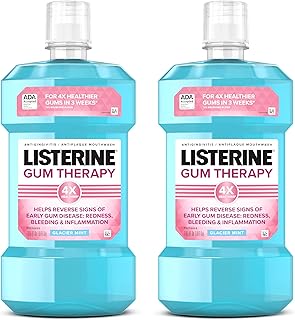
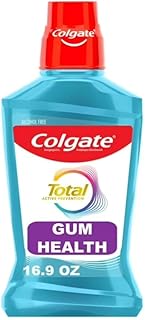
- Rinse with an antibacterial mouthwash to reduce bacterial load
If swelling persists beyond two weeks despite improved home care, see your dentist. Persistent swelling can indicate a deeper infection that needs professional treatment.
Swollen or Puffy Gums
Editor's Choice




3. Gums Pulling Away from Teeth

When your gums pull away from your teeth — a condition called gum recession — the roots of your teeth become exposed. This creates two immediate problems: increased tooth sensitivity and a higher risk of root decay, since roots lack the protective enamel coating that covers the crown.
Gum recession is often a sign of advanced gum disease, though it can also be caused by aggressive brushing, grinding, or certain genetic factors. Regardless of cause, it requires a dentist's attention because gum tissue does not regenerate on its own.
Steps to take if you notice gum recession:
- Schedule a comprehensive dental evaluation to identify the underlying cause
- Ask your dentist about scaling and root planing (deep cleaning) to eliminate plaque below the gum line
- Discuss whether gum grafting is appropriate to restore lost tissue and protect exposed roots
- Switch to a soft toothbrush and use gentle, circular strokes to prevent further recession
Treating gum recession early can prevent tooth loss and help you avoid more invasive procedures down the road.
4. Change in Taste Sensation

A sudden or persistent change in how food tastes — particularly a sour, bitter, or generally "off" flavor — can be an overlooked symptom of gum disease. Bacterial infections in gum tissue release toxins that can alter the chemical environment in your mouth, directly affecting your taste buds.
This symptom often accompanies other signs such as bad breath or gum inflammation, so treat it as a signal to look for additional clues rather than an isolated quirk.
How to monitor and address taste changes:
- Keep a brief diary noting when taste changes occur and what you've eaten or drunk
- Stay well-hydrated — dehydration concentrates bacteria and impairs taste bud function
- Check whether any new medications could be affecting your sense of taste (a common side effect)
- Visit your dentist for a diagnosis; an underlying gum infection may be the root cause
Identifying this sign early allows you to connect the dots between taste changes and gum health, and to act before the infection deepens.
5. Loose Teeth

Adult teeth should never feel loose. If one or more of your teeth have developed noticeable mobility, this is a serious warning sign of advanced periodontal disease. As gum disease progresses, it destroys the bone and connective tissue that anchor your teeth in place, causing them to shift or wobble.
Loose teeth require prompt dental intervention — the longer you wait, the more likely tooth loss becomes. The good news is that treatments such as bone grafting, splinting, and deep cleaning can sometimes stabilize teeth if caught in time.
What to do if your teeth feel loose:
- Avoid hard, crunchy, or chewy foods that put extra stress on affected teeth
- Note which specific teeth feel loose and whether the mobility has increased over time
- Contact your dentist as soon as possible for a periodontal assessment
- Ask about stabilization options — early treatment significantly improves outcomes
6. Excessive Saliva or Dry Mouth

Saliva is your mouth's natural defense system — it neutralizes acids, washes away food debris, and contains antibacterial compounds that help keep gum disease in check. Both excessive saliva production and chronic dry mouth (xerostomia) can be signs that something is wrong with your oral environment.
Dry mouth in particular is closely linked to gum disease because without sufficient saliva, bacteria multiply rapidly. Common causes include certain medications (antihistamines, antidepressants, blood pressure drugs), mouth breathing, and systemic health conditions.
Practical steps to restore saliva balance:
- Drink water consistently throughout the day — aim for 8 glasses minimum
- Chew sugar-free gum (look for xylitol-based options) to stimulate saliva flow
- Breathe through your nose whenever possible to prevent mouth drying
- Tell your dentist about any medications you take, as they may recommend a saliva substitute
Dry mouth is considered a significant early risk factor for gum disease. Without enough saliva to neutralize bacteria, plaque builds up faster — making hydration and regular dental check-ups essential for your gum health.
You might also like


7. Taste of Metal in Your Mouth

A persistent metallic taste in your mouth is easy to dismiss, but it can be a meaningful warning sign of gum infection or bleeding beneath the gum line. When gums bleed — even slightly — the iron in blood creates that distinctive metallic flavor. Some medications (certain antibiotics, prenatal vitamins, and blood pressure drugs) can also produce this taste.
If you have dental hardware such as fillings, crowns, or braces, corrosion or a loose fitting can occasionally contribute. However, if no obvious dental cause is present, gum disease should be ruled out first.
How to investigate a metallic taste:
- Check whether the taste coincides with brushing or flossing — a sign of minor gum bleeding
- Look in the mirror for red, swollen, or easily bleeding gums
- Review any recently started medications with your doctor or dentist
- Schedule a dental exam to rule out an underlying infection
Taste of Metal in Your Mouth
Editor's Choice


8. Changes in Bite Alignment

When gum disease causes bone loss, teeth can gradually drift from their original positions, altering the way your upper and lower teeth come together. This is known as a change in occlusion or bite alignment. You might notice that teeth that used to fit together neatly now feel uneven, or that chewing has become uncomfortable on one side.
This symptom is particularly important because most people only become aware of it when the bone loss is already significant. Catching and addressing bite changes quickly limits further deterioration.
Steps to manage bite changes:
- Keep a journal noting when you first noticed the change and whether it is progressing
- Temporarily switch to softer foods to reduce stress on shifting teeth
- See your dentist promptly — they can take X-rays to assess bone levels and recommend treatment
- Ask about bite-correction options such as occlusal adjustment, orthodontic treatment, or a night guard if grinding is involved
Research suggests that about 1 in 5 people with gum disease notice bite changes before other obvious symptoms appear. As gums recede and bone support diminishes, even small shifts in tooth position can create noticeable discomfort — don't ignore this sign.
9. Sensitivity to Hot and Cold

Tooth sensitivity — that sharp, brief pain when you eat ice cream or sip hot coffee — affects millions of people and is frequently linked to receding gums or enamel erosion, both of which are associated with gum disease. When gum tissue pulls back, it exposes the tooth's root surface (dentin), which contains tiny fluid-filled channels that transmit temperature signals directly to the nerve.
While sensitivity has multiple potential causes, its sudden onset or worsening should prompt a dental evaluation to rule out gum disease as a contributing factor.
Managing tooth sensitivity:
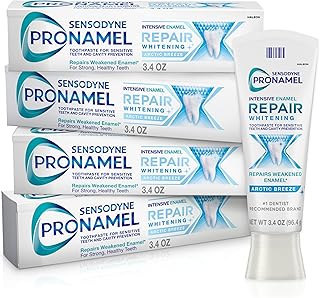
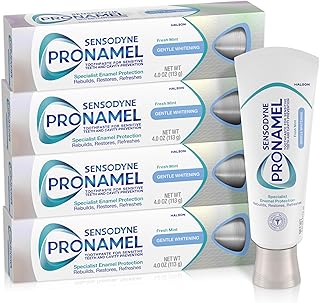
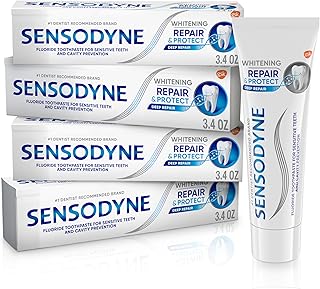
- Use a desensitizing toothpaste (look for potassium nitrate or stannous fluoride as active ingredients) twice daily
- Avoid extremely hot, cold, or acidic foods and drinks while sensitivity is acute
- Do not brush immediately after eating acidic foods — wait 30 minutes
- Ask your dentist about fluoride varnishes or bonding agents for more persistent cases
Sensitivity to Hot and Cold
Editor's Choice

10. Unusual Mouth Sores

Occasional canker sores are common and usually harmless, but frequent or unusually large mouth sores can be a sign of chronic gum inflammation or a compromised immune response to bacterial infection. In people with gum disease, ongoing inflammation weakens the oral mucosa, making it more prone to ulceration.
Pay particular attention to sores that appear near the gum line, take longer than two weeks to heal, or keep coming back in the same location.
How to manage recurring mouth sores:
- Track frequency, size, and location — share this information with your dentist
- Avoid spicy, acidic, or rough-textured foods that irritate healing tissue
- Use a mild, alcohol-free mouth rinse to keep the area clean without further irritation
- See your dentist if sores persist beyond two weeks or recur frequently — persistent sores always warrant professional evaluation
12. Chronic Neck or Jaw Pain

Chronic jaw or neck pain is rarely the first symptom people associate with gum disease — but the connection is well-documented. Periodontal inflammation can radiate pain to the jaw joint (TMJ), facial muscles, and even the neck. Additionally, teeth that have shifted due to bone loss can alter your bite mechanics, placing abnormal strain on the jaw muscles over time.
Stress-related tooth grinding (bruxism), which commonly coexists with gum disease, further compounds jaw and neck discomfort. Addressing the gum disease itself is an important first step, but additional therapies are often needed.
Ways to address jaw and neck pain linked to gum disease:
- Practice daily relaxation techniques (diaphragmatic breathing, progressive muscle relaxation) to reduce jaw tension
- Ask your dentist to evaluate your bite and check for signs of grinding
- Consider a custom night guard if bruxism is contributing to jaw pain
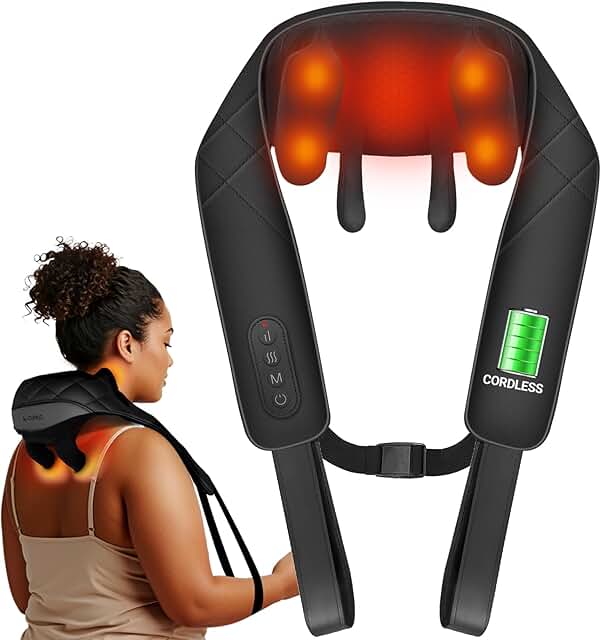
- Discuss physical therapy or trigger-point massage with your healthcare provider if muscle tension is severe
Chronic Neck or Jaw Pain
Editor's Choice



13. Persistent Itching or Tingling Gums

An itchy or tingling sensation in your gums might seem trivial, but it is often one of the earliest signs of gum inflammation. As bacteria begin to irritate gum tissue, nerve endings respond with these unusual sensations — frequently before visible redness or swelling appears. Think of it as your gums' early-warning alarm.
People sometimes mistake this for a food allergy reaction or toothpaste sensitivity, but if the sensation is localized around the gum line and persists over several days, gum disease should be considered.
Steps to soothe and investigate itching or tingling gums:
- Switch to a gentle, alcohol-free toothpaste and rinse to rule out product sensitivity
- Maintain consistent brushing and flossing to reduce bacterial buildup at the gum line
- Avoid irritants such as tobacco, very spicy foods, or harsh mouthwashes
- Book a dental appointment if the sensation lasts longer than a week — early intervention leads to simpler and less costly treatment
Frequently Asked Questions About Gum Disease Signs
What are the very first signs of gum disease?
The earliest signs of gum disease (gingivitis) include gums that bleed easily when brushing or flossing, mild swelling or redness along the gum line, and persistent bad breath. At this stage, the condition is fully reversible with improved oral hygiene and a professional cleaning.
Can gum disease cause pain in other parts of the body?
Yes. Chronic periodontal inflammation has been linked to systemic effects including jaw and neck pain (as described in sign #12), and research associates untreated gum disease with an elevated risk of cardiovascular disease, diabetes complications, and preterm birth. Treating gum disease is about much more than protecting your smile.
How is gum disease diagnosed?
A dentist or periodontist diagnoses gum disease by measuring the depth of the spaces (pockets) between your teeth and gums using a small probe, examining gum color and texture, and taking X-rays to assess bone levels. Regular check-ups — ideally every six months — allow for early detection.
Is gum disease reversible?
Gingivitis (the early stage) is completely reversible with consistent brushing, flossing, and professional cleaning. Advanced periodontitis, which involves bone and tissue loss, can be managed and progression halted, but the structural damage caused is generally not fully reversible without surgical intervention.
How often should I see a dentist if I think I have gum disease?
If you recognize multiple signs from this list, book an appointment as soon as possible rather than waiting for your next routine check-up. Once under active treatment, your dentist may recommend professional cleanings every three to four months rather than the standard six-month schedule.
Conclusion

Gum disease rarely announces itself loudly. More often it creeps in through subtle, easy-to-dismiss symptoms — a slight taste change here, a bit of jaw tension there, gums that seem a touch redder than usual. The 14 signs covered in this guide are your early-warning toolkit. The more of these signs you recognize in yourself, the more urgently you should seek professional advice.
The single most powerful thing you can do right now is book a dental check-up if you haven't had one in the past six months. Combine that with twice-daily brushing, daily flossing, and an antibacterial mouth rinse, and you give yourself the best possible chance of keeping gum disease at bay — or stopping it in its tracks if it's already begun.
Have a question about any of the signs covered here, or a personal experience you'd like to share? Leave a comment below — your insight could help someone else catch their gum disease early.
Note: We aim to provide accurate product links, but some may occasionally expire or become unavailable. If this happens, please search directly on Amazon for the product or a suitable alternative.
This post contains Amazon affiliate links, meaning we may earn a small commission if you purchase through our links, at no extra cost to you.