
Bad breath — medically known as halitosis — affects millions of people daily and can quietly erode confidence in social situations. The good news: most cases respond quickly to the right bad breath remedies, many of which you can start today using things already in your kitchen or bathroom cabinet.
In this guide you'll discover 11 effective, natural bad breath remedies — from staying hydrated to specific foods, herbs, and daily habits that genuinely work. Each tip is simple to implement and backed by how the mouth and its bacterial ecosystem actually function. Say goodbye to awkward moments and hello to lasting fresh breath.
Key Takeaways
- Hydration is Key: Water flushes food particles and keeps saliva flowing — your mouth's built-in defense against odor-causing bacteria.
- Natural Herbs Work: Chewing mint, parsley, or basil after meals neutralizes odors and stimulates saliva for up to two hours.
- Baking Soda is a Game-Changer: A simple baking soda rinse neutralizes mouth acids and disrupts the bacterial environment that causes bad breath.
- Yogurt Helps: Probiotic-rich yogurt promotes healthy oral bacteria, which directly combats halitosis-causing microbes.
- Consistent Oral Hygiene is Non-Negotiable: Brushing, flossing, and tongue scraping form the foundation of any effective bad breath remedy routine.
Contents
- 1. Hydrate with Water
- 2. Chew on Fresh Herbs
- 3. Baking Soda Rinse
- 5. Green Tea
- 6. Yogurt
- 7. Citrus Fruits
- 8. Avoid Certain Foods
- 10. Sugar-Free Gum
1. Hydrate with Water: The Simplest Bad Breath Remedy

Dehydration is one of the most overlooked causes of bad breath — and drinking water is therefore one of the simplest remedies. Saliva is your mouth's natural cleaning system: it washes away food debris, neutralizes bacteria-produced acids, and physically rinses odor-causing microbes from the tongue and gumline. When you're dehydrated, saliva flow drops and bacteria multiply rapidly, producing volatile sulfur compounds that cause that characteristic unpleasant smell.
This is also why morning breath is so pronounced — saliva flow slows dramatically during sleep. Drinking a glass of water first thing in the morning is one of the fastest ways to reset your mouth's environment.
How to Use Hydration as a Bad Breath Remedy
- Drink at least 8 glasses of water spread throughout the day — sipping regularly works better than drinking large amounts infrequently
- Start every morning with a full glass of water to flush overnight bacteria buildup
- Carry a reusable water bottle as a visual reminder to keep sipping
- Infuse water with lemon or cucumber slices to make it more appealing — lemon also stimulates saliva
- Limit alcohol and coffee, both of which accelerate dehydration and dry mouth
📹 Related Video: How to Properly Hydrate & How Much Water to Drink Each Day | Dr. Andrew Huberman
2. Chew on Fresh Herbs: Nature's Breath Freshener

Fresh herbs are one of the most effective — and most underused — natural bad breath remedies. Mint, parsley, and basil all contain chlorophyll, a natural deodorizing compound that neutralizes odor molecules directly rather than just masking them. They also stimulate saliva production, adding an extra layer of bacterial control. Unlike breath mints, which typically just mask odors with sugar or artificial flavoring, fresh herbs address the root chemistry of bad breath.
Parsley in particular has been used as a post-meal breath freshener for centuries — it's not a garnish accident that it appears on restaurant plates. A few leaves after a garlic-heavy meal can make a real difference.
How to Use Fresh Herbs as a Bad Breath Remedy
- Chew 4–5 fresh mint or parsley leaves immediately after meals for up to two hours of freshness
- Keep a small sealed container of fresh herbs in your bag for on-the-go use
- Add fresh basil or mint to salads, smoothies, and water for a continuous mild deodorizing effect
- Grow a small pot of mint on your windowsill — it's fast-growing and always at hand
Chewing fresh herbs like mint can freshen breath for up to 2 hours. Parsley and basil stimulate saliva flow, helping wash away odor-causing bacteria — a simple, practical bad breath remedy you can use after any meal.
3. Baking Soda Mouth Rinse: A Science-Backed Remedy for Bad Breath

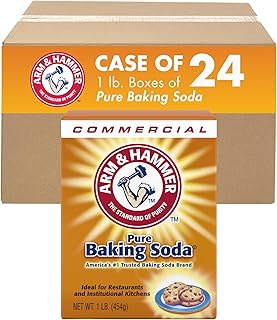
Baking soda (sodium bicarbonate) is one of the most well-researched home remedies for bad breath. It works by raising the pH of your mouth, making the environment less hospitable for the acid-loving anaerobic bacteria that produce sulfur-based odors. It also physically removes plaque and food debris from tooth surfaces, giving your regular brushing routine a meaningful boost.
Studies have shown that baking soda-based toothpastes and rinses significantly reduce oral bacteria counts compared to non-baking-soda alternatives — making this kitchen staple more than just folk wisdom.
How to Make and Use a Baking Soda Rinse
- Mix 1 teaspoon of baking soda into a cup (240ml) of warm water and stir until dissolved
- Swish vigorously around your mouth for 30 seconds, making sure to reach the back of the tongue
- Spit and rinse with plain water — do not swallow
- Use 2–3 times per week as a supplement to your regular brushing routine
- You can also dip a damp toothbrush directly into baking soda for an occasional scrub
Baking Soda Scrubs
Editor's Choice



5. Green Tea: A Proven Drink Remedy for Bad Breath

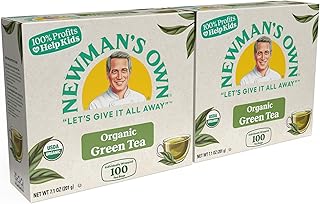
Green tea is one of the most evidence-supported drink remedies for bad breath. Its high concentration of polyphenols — plant compounds with strong antimicrobial properties — has been shown in clinical studies to significantly reduce the levels of hydrogen sulfide and methyl mercaptan in the mouth, the two main sulfur compounds responsible for bad breath odor.
Unlike coffee, which dehydrates and acidifies the mouth (worsening halitosis), green tea actively inhibits bacterial growth while also contributing to your daily fluid intake. A cup after meals is one of the most pleasurable and effective habits you can build.
How to Use Green Tea as a Bad Breath Remedy
- Brew one cup and steep for 3–5 minutes for maximum polyphenol extraction
- Drink after meals — this is when bacterial activity in the mouth spikes due to food debris
- Choose unsweetened green tea — added sugar feeds the bacteria you're trying to suppress
- Add a squeeze of lemon or a small drizzle of honey if needed for flavor without counteracting the benefits
- Swap your morning or afternoon coffee for green tea a few days a week for a noticeable difference
Green Tea Magic
Editor's Choice



You might also like


6. Yogurt: A Probiotic Remedy for Persistent Bad Breath

Yogurt containing live probiotic cultures is one of the most effective dietary bad breath remedies with real clinical backing. A study published in the International Association for Dental Research found that consuming unsweetened yogurt daily for six weeks significantly reduced levels of hydrogen sulfide — the primary odor compound in bad breath — in participants. The mechanism is simple: beneficial bacteria (lactobacillus and others) compete with and suppress the anaerobic bacteria responsible for halitosis.
The key is choosing the right yogurt. Plain, unsweetened yogurt with a "live and active cultures" label provides the beneficial bacteria without the added sugar that would feed odor-causing microbes.
How to Use Yogurt as a Bad Breath Remedy
- Eat one serving of plain, unsweetened yogurt daily — consistency matters more than quantity
- Look for "live and active cultures" or specific strain labels (Lactobacillus, Bifidobacterium) on the packaging
- Mix with fresh berries or a small amount of honey to improve palatability without excessive sugar
- Avoid flavored yogurts — the added sugar works against the probiotic benefit
- Consider a morning routine: yogurt after breakfast pairs well with your brushing habits
7. Citrus Fruits: Saliva-Boosting Fresh Breath Remedies

Citrus fruits — lemons, oranges, limes, and grapefruit — fight bad breath through a straightforward mechanism: their acidity stimulates saliva production. Saliva is your mouth's primary defense against bacterial growth, and citrus triggers more of it. Their high vitamin C content also creates an environment hostile to the anaerobic bacteria responsible for most halitosis.
That said, citrus is acidic and should be consumed as part of a meal or rinsed after with water to protect tooth enamel — avoid brushing immediately after eating citrus, as the acid temporarily softens enamel.
How to Use Citrus as a Bad Breath Remedy
- Add a squeeze of fresh lemon juice to your water bottle — you'll stay hydrated and stimulate saliva simultaneously
- Snack on orange or mandarin segments between meals for a natural breath reset
- Add citrus zest to salads and cooked dishes to incorporate the benefit without the acidity concern
- Rinse your mouth with water after eating citrus to protect tooth enamel
8. Avoid Certain Foods: Eliminating Bad Breath at the Source

Some of the most effective bad breath remedies aren't about adding something — they're about removing the trigger. Garlic and onions are the most well-known culprits, but they're not the only ones. These foods release sulfur-containing compounds during digestion that absorb into your bloodstream and are exhaled through your lungs. This is why brushing right after a garlic-heavy meal only partially helps — the odor is coming from inside your body, not just your mouth.
Other foods that commonly trigger bad breath include coffee (acidic and dehydrating), high-sugar snacks (bacteria feed on sugar), canned fish (trimethylamine), and heavily processed dairy. Being strategic about when and how much you eat these foods is one of the most practical remedies available.
Smart Food Choices to Prevent Bad Breath
- Avoid strong-smelling foods (garlic, onions, spicy dishes) before dates, meetings, or social events
- Follow a garlic- or onion-heavy meal with fresh parsley or mint to neutralize sulfur compounds in the mouth
- Limit coffee intake — or follow each cup with a glass of water to counteract the drying and acidifying effect
- Keep breath-freshening snacks on hand: apple slices, celery, or sugar-free xylitol gum work well in a pinch
- Reduce high-sugar foods and drinks, which directly fuel bacterial growth in the mouth
Avoid Certain Foods
Editor's Choice




10. Sugar-Free Gum: A Fast, On-the-Go Bad Breath Remedy

Sugar-free gum — particularly gum sweetened with xylitol — is one of the fastest and most convenient bad breath remedies for everyday use. Chewing stimulates saliva production by up to 10 times the resting rate, which rapidly flushes food particles, neutralizes acids, and washes away bacteria. Xylitol specifically adds an extra layer of protection: research shows it inhibits the growth of Streptococcus mutans and other bacteria responsible for both tooth decay and bad breath.
Unlike regular mints, which often contain sugar that feeds bacteria after the minty sensation fades, xylitol gum actually reduces bacterial populations over time with consistent use.
How to Use Sugar-Free Gum Effectively
- Choose gum sweetened with xylitol — look for it as the first or second ingredient on the label
- Chew for 5 minutes after meals for maximum saliva stimulation benefit
- Keep a pack in your bag, car, desk drawer, and gym kit — accessibility drives habit
- Use it as a bridge remedy when brushing isn't immediately possible, such as after lunch at work
- Avoid gums sweetened with sugar or high-fructose corn syrup, which feed the bacteria you're trying to suppress
Chewing sugar-free gum for 5 minutes after a meal can boost saliva production up to 10x, washing away odor-causing food particles and bacteria. Xylitol-sweetened gum goes further by actively inhibiting bacterial growth — making it one of the most practical and effective on-the-go bad breath remedies available.
Conclusion: Build Your Personal Bad Breath Remedy Routine

The most effective approach to bad breath isn't a single magic remedy — it's a combination of small, consistent habits that work together. Stay hydrated, eat foods that support a healthy oral microbiome, avoid the biggest dietary triggers, and maintain a solid daily hygiene routine. Add a baking soda rinse a few times a week, swap one coffee for green tea, and keep xylitol gum on hand for situations where brushing isn't possible.
Most importantly: if your bad breath persists despite genuinely consistent effort with these remedies, it may have an underlying cause — gum disease, acid reflux, sinus issues, or a medication side effect — that deserves a conversation with your dentist or doctor. The remedies in this guide are highly effective for the vast majority of halitosis cases, but persistent bad breath is always worth investigating.
Fresh breath is genuinely achievable. Start with one or two of these remedies today, build the habit, and let the results speak for themselves.
Frequently Asked Questions: Bad Breath Remedies
What is the fastest bad breath remedy?
The fastest immediate remedy is rinsing your mouth with water or chewing sugar-free xylitol gum — both take under a minute and significantly reduce odor by flushing bacteria and stimulating saliva. For a slightly slower but more thorough result, brushing with a small amount of baking soda neutralizes the acid environment that odor-causing bacteria thrive in.
Do natural bad breath remedies actually work?
Yes, for most people. Natural remedies like green tea (polyphenols inhibit bacterial sulfur production), probiotic yogurt (live cultures displace odor-causing bacteria), fresh herbs (chlorophyll neutralizes odor molecules), and xylitol gum (directly inhibits bacterial growth) all have clinical or mechanistic evidence supporting their effectiveness. They work best as part of a consistent daily routine rather than one-off fixes.
How do I get rid of bad breath permanently?
Truly permanent fresh breath comes from addressing the root cause. For most people this means: brushing twice daily, flossing every day, scraping the tongue, staying well-hydrated, and seeing a dentist regularly. If bad breath persists despite these habits, an underlying cause such as gum disease, acid reflux, sinus issues, or dry mouth from medication needs to be identified and treated.
Does drinking water help bad breath?
Yes, significantly and immediately. Water flushes food particles and bacteria from the mouth and stimulates saliva production — your body's primary defense against halitosis. Dehydration is one of the most common and easily fixable causes of bad breath. Sipping water consistently throughout the day is one of the simplest bad breath remedies with near-zero effort required.
Is yogurt a good remedy for bad breath?
Yes, particularly plain unsweetened yogurt with live and active cultures. Clinical research has found that daily consumption of probiotic yogurt measurably reduces hydrogen sulfide levels in the mouth — the primary sulfur compound behind bad breath. The key is consistency (daily consumption) and choosing unsweetened varieties, as added sugar feeds the bacteria you're trying to suppress.
Why does bad breath come back even after brushing?
Brushing addresses bacteria on tooth surfaces, but several odor sources are harder to reach: the back of the tongue (the single largest bacterial reservoir in the mouth), bacteria living in deep gum pockets, postnasal drip from sinus issues, and acid reflux from the stomach. Adding a tongue scraper to your routine addresses the tongue issue. Persistent bad breath after thorough brushing and flossing is worth discussing with a dentist.
Note: We aim to provide accurate product links, but some may occasionally expire or become unavailable. If this happens, please search directly on Amazon for the product or a suitable alternative.
This post contains Amazon affiliate links, meaning we may earn a small commission if you purchase through our links, at no extra cost to you.