
Many commercial mouthwashes contain alcohol, artificial sweeteners, synthetic dyes, and preservatives that can dry out the mouth, disrupt the oral microbiome, or cause sensitivity. If you've been looking for a cleaner alternative, you're in exactly the right place. These natural mouthwash recipes use simple, whole ingredients — most of which are already in your kitchen — to freshen breath, reduce bacteria, and support gum health without harsh additives.
Each recipe below includes not just the ingredients and steps, but a brief explanation of why the key ingredients work, so you can choose the right rinse for your specific oral health goals. Whether you want the antimicrobial punch of peppermint, the soothing properties of aloe vera, or the detoxifying ritual of coconut oil pulling, there's a recipe here for you.
Key Takeaways
- No Harsh Chemicals: Every recipe uses food-grade ingredients free from alcohol, artificial colors, and synthetic preservatives — gentler on your mouth's natural bacterial balance.
- Quick to Prepare: Most recipes take 2–10 minutes and require no special equipment beyond a jar and a strainer.
- Targeted Benefits: Different recipes address different needs — breath freshening, gum inflammation, bacterial reduction, enamel pH, and detoxification.
- Fully Customizable: Every recipe can be adjusted for taste, ingredient availability, or sensitivity level.
- Significantly Cheaper: Homemade natural mouthwash costs a fraction of commercial alternatives, especially when you're already buying the base ingredients for cooking.
Contents
- 1. Classic Peppermint Mouthwash
- 2. Herbal Infusion Mouthwash
- 4. Apple Cider Vinegar Mouthwash
- 5. Aloe Vera Mouthwash
- 6. Coconut Oil Pulling Mouthwash
- 7. Green Tea Mouthwash
- 9. Cinnamon and Clove Mouthwash
1. Classic Peppermint Natural Mouthwash

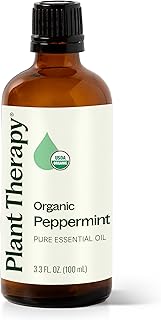
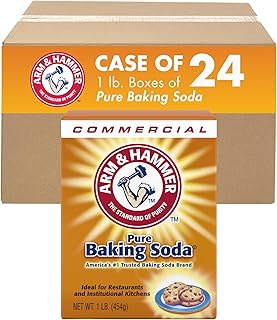
This is the easiest entry point into natural mouthwash — just two ingredients, zero preparation time, and genuinely effective results. Peppermint essential oil contains menthol and menthone, compounds that have demonstrated antibacterial activity against common oral pathogens including Streptococcus mutans and Porphyromonas gingivalis in laboratory studies. The optional baking soda raises mouth pH, disrupting the acidic environment that cavity-causing bacteria thrive in.
Why It Works
Peppermint oil's primary active compound, menthol, inhibits bacterial membrane function. Baking soda (sodium bicarbonate) neutralizes mouth acids produced by bacteria — the same acids that erode enamel and contribute to bad breath. Together, they provide both antimicrobial and pH-balancing action.
Recipe Overview: Servings: 1 cup · Prep Time: 5 minutes · Calories: 0
Ingredients:
- 1 cup distilled water
- 1 teaspoon peppermint essential oil
- 1 teaspoon baking soda (optional, for extra pH balancing)
Step-by-Step Instructions:
- In a clean glass jar, combine the distilled water and peppermint oil.
- If using baking soda, add it and stir until fully dissolved.
- Transfer to a bottle with a tight-sealing lid.
- Shake well before each use.
- Swish for 30 seconds and spit out — do not swallow.
Storage & Tips: Adjust peppermint oil quantity to taste. Store in a cool, dark place for up to two weeks. Use distilled (not tap) water to avoid introducing chlorine or fluoride that could interact with the essential oil.
A good natural mouthwash rinse doesn't need a long ingredient list. Peppermint oil delivers real antibacterial activity, and baking soda balances your mouth's pH — together, they address the two primary drivers of bad breath and plaque buildup.
Classic Peppermint Mouthwash
Editor's Choice




2. Herbal Infusion Natural Mouthwash (Chamomile, Sage & Thyme)

This is the most versatile and gum-focused recipe in the collection. It harnesses the distinct oral health properties of three herbs that have been used in traditional medicine for centuries and are now better understood through modern phytochemical research.
Why Each Herb Works
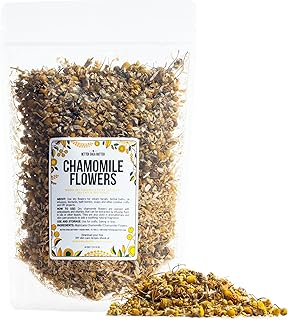
- Chamomile contains bisabolol and apigenin — anti-inflammatory compounds that help soothe irritated or inflamed gum tissue. It's a good choice if your gums are sensitive or prone to bleeding.
- Sage (Salvia officinalis) has demonstrated antimicrobial properties in studies, particularly against oral bacteria linked to gingivitis and bad breath. It also contains rosmarinic acid, which has anti-inflammatory effects.
- Thyme contains thymol — the same active compound used as the primary antimicrobial in several commercial mouthwashes, including Listerine. It's one of the most well-evidenced natural oral health ingredients available.
Recipe Overview: Servings: 1 cup · Prep Time: 10 minutes · Calories: 0
Ingredients:
- 1 cup distilled water
- 1 tablespoon dried chamomile
- 1 tablespoon dried sage
- 1 tablespoon dried thyme
Step-by-Step Instructions:
- Bring the distilled water to a boil in a small saucepan.
- Add chamomile, sage, and thyme to the boiling water.
- Remove from heat and steep for 15–20 minutes.
- Strain into a clean jar, discarding the spent herbs.
- Allow to cool completely before transferring to a sealed bottle.
- Swish for 30 seconds and spit out — do not swallow.
Storage & Tips: Refrigerate for up to one week. Customize by adjusting herb ratios — more sage for antimicrobial focus, more chamomile for a soothing rinse. A longer steep (up to 30 minutes) produces a more potent infusion.
Herbal Infusion Mouthwash
Editor's Choice


📹 Related Video: Alcohol free herbal mouthwash
4. Apple Cider Vinegar Natural Mouthwash

Apple cider vinegar (ACV) is one of the most searched-for natural oral health remedies — and when used correctly (properly diluted and sparingly), it does offer genuine antimicrobial properties. The acetic acid in ACV has demonstrated activity against a range of bacteria, and its mild acidic pH can temporarily disrupt the environment in which plaque-forming bacteria thrive.
Why It Works — and When to Be Careful
ACV's acetic acid is the active agent, with demonstrated antimicrobial properties. However, it is important to dilute it well and limit use — undiluted or overused ACV is acidic enough to erode tooth enamel over time. This is why the recipe calls for 2 tablespoons per cup of water (roughly a 1:8 dilution) and includes a water rinse afterward. Limit use to 2–3 times per week rather than daily.
Recipe Overview: Servings: 1 cup · Prep Time: 2 minutes · Calories: 3
Ingredients:
- 1 cup distilled water
- 2 tablespoons apple cider vinegar (raw, with the "mother" for best antimicrobial activity)
- 1 teaspoon honey (optional, for flavor and mild antibacterial benefit)
Step-by-Step Instructions:
- Combine distilled water and apple cider vinegar in a clean bottle.
- If using honey, add it and shake or stir until dissolved.
- Shake well before each use.
- Swish for 30 seconds and spit out — do not swallow.
- Rinse thoroughly with plain water immediately afterward to neutralize residual acid on enamel.
Storage & Tips: Use no more than 2–3 times per week. Always rinse with water after. Do not brush immediately after using this rinse — wait at least 30 minutes to avoid brushing softened enamel.
Properly diluted and used 2–3 times per week, apple cider vinegar mouthwash offers real antimicrobial benefits. The key word is "diluted" — always follow with a plain water rinse to protect enamel, and never use it undiluted.
5. Aloe Vera Natural Mouthwash

This is the ideal recipe if you have sensitive gums, gum inflammation, or mouth sores. Aloe vera gel contains acemannan (a polysaccharide), along with anthraquinones and various enzymes that collectively produce anti-inflammatory, antimicrobial, and wound-healing effects in oral tissue. Clinical studies have found aloe vera gel mouthwash to be as effective as chlorhexidine (the gold-standard prescription rinse) at reducing plaque and gingivitis indices — without the side effects of staining or taste alteration associated with chlorhexidine.
Why It Works
Aloe vera's anti-inflammatory action directly reduces gum tissue swelling and redness. Its antimicrobial properties target the bacteria that cause gingivitis. For anyone experiencing gum sensitivity or recovering from dental work, this is the most gentle recipe in this collection.
Recipe Overview: Servings: 1 cup · Prep Time: 5 minutes · Calories: ~20
Ingredients:
- 1 cup distilled water
- 2 tablespoons fresh aloe vera gel (from a leaf) or food-grade aloe vera gel
- 1 teaspoon peppermint essential oil
Step-by-Step Instructions:
- Combine distilled water and aloe vera gel in a blender until smooth.
- Add peppermint oil and blend briefly.
- Transfer to a clean bottle for storage.
- Shake well before each use.
- Swish for 30 seconds and spit out.
Storage & Tips: Use fresh aloe vera from a leaf for maximum potency. If using bottled gel, ensure it is food-grade with no added dyes or thickeners. Refrigerate for a soothing cool rinse — especially effective if gums are inflamed. Use within 5–7 days.
Aloe Vera Mouthwash
Editor's Choice


You might also like


6. Coconut Oil Pulling Mouthwash

Oil pulling is a traditional Ayurvedic practice with a growing body of modern research behind it. The process works through a combination of mechanical rinsing (the swishing action physically dislodges bacteria and food particles) and the surfactant effect of the oil (which helps emulsify and trap bacterial membranes). Studies have found that regular coconut oil pulling can significantly reduce plaque scores and gingivitis measures, and meaningfully lower overall oral bacterial counts.
Why Coconut Oil Specifically
Coconut oil contains approximately 50% lauric acid, which has well-documented antimicrobial properties and converts to monolaurin in the mouth — a compound that disrupts bacterial cell membranes. This gives coconut oil a genuine antibacterial edge over other oils for pulling. The addition of peppermint essential oil adds both flavor and additional antimicrobial activity.
Recipe Overview: Servings: 1 tablespoon per session · Prep Time: 5 minutes · Calories: ~120 (not consumed)
Ingredients:
- 1 cup coconut oil (stored in a glass jar — use 1 tablespoon per session)
- 1 teaspoon peppermint essential oil (mixed into the jar)
Step-by-Step Instructions:
- Gently warm the coconut oil until fully liquid if solid at room temperature.
- Mix in the peppermint oil and store in a clean glass jar.
- Take 1 tablespoon and swish around your mouth for 10–15 minutes.
- Spit into a trash bin — not the sink, as coconut oil can solidify in pipes.
- Rinse with warm water, then brush as normal.
Storage & Tips: Start with 5 minutes if 15 feels long, and gradually increase. Do not swallow — the oil collects bacteria during the process. Best done first thing in the morning before eating or drinking. A full jar lasts weeks to months.
7. Green Tea Natural Mouthwash

Green tea has one of the strongest evidence bases of any natural oral health ingredient. Its catechins — particularly EGCG (epigallocatechin gallate) — inhibit the growth of Streptococcus mutans, the primary bacterium responsible for tooth decay, and also suppress the production of volatile sulfur compounds (VSCs) that cause bad breath. Green tea's tannins additionally reduce bacterial adhesion to tooth surfaces, making it harder for plaque to form.
Why This Works Better Than Just Drinking It
Swishing brewed green tea directly around the mouth delivers catechins to the exact surfaces where they're needed — gums, tongue, and tooth enamel — in higher concentration and for longer contact time than drinking provides. Using it as a rinse maximizes the antibacterial benefit for oral health specifically.
Recipe Overview: Servings: 1 cup · Prep Time: 5 minutes · Calories: ~2
Ingredients:
- 1 cup brewed green tea (cooled to room temperature)
- 1 teaspoon peppermint essential oil
Step-by-Step Instructions:
- Brew a cup of green tea and allow it to cool completely.
- Mix the cooled tea with peppermint oil in a bowl or directly in a bottle.
- Shake well before each use.
- Swish for 30 seconds and spit out.
Storage & Tips: Do not add sugar — this feeds the bacteria you're trying to suppress. Refrigerate and use within 3–5 days. Steep the tea for 3–5 minutes (not longer) to maximize catechin extraction without excessive bitterness. Unsweetened matcha dissolved in water is an even more concentrated alternative.
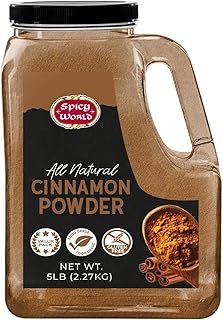
9. Cinnamon and Clove Natural Mouthwash

This recipe is both the most aromatic in the collection and one of the most antimicrobially potent. Cinnamon and clove contain active compounds — cinnamaldehyde in cinnamon and eugenol in clove — that have been extensively studied for their antibacterial, antifungal, and anti-inflammatory properties in oral health contexts. Eugenol in particular is well-known in dentistry as the active component in clove oil used for toothache relief and as a dental antiseptic.
Why These Two Spices Work Together
Cinnamaldehyde disrupts bacterial cell membranes and inhibits biofilm formation — the sticky bacterial community that becomes plaque. Eugenol inhibits bacterial enzyme activity and has demonstrated effectiveness specifically against the bacteria responsible for gum disease. Together, they provide complementary antimicrobial mechanisms against a broad spectrum of oral pathogens.
Recipe Overview: Servings: 1 cup · Prep Time: 5 minutes (plus 10 min cooling) · Calories: 0
Ingredients:
- 1 cup distilled water
- 1 teaspoon ground cinnamon
- 1 teaspoon ground clove
- 1 teaspoon honey (optional, for mild sweetness — use raw honey for added antimicrobial benefit)
Step-by-Step Instructions:
- Combine distilled water and spices in a small saucepan.
- Bring to a gentle boil, then reduce heat and simmer for 5 minutes.
- Strain through a fine-mesh strainer into a clean jar, discarding spice solids.
- Stir in honey if desired while still warm.
- Cool completely, then transfer to a sealed bottle.
- Swish for 30 seconds and spit out — do not swallow.
Storage & Tips: Use a very fine strainer or cheesecloth to remove all spice particles, which can be gritty if left in. Store in a cool, dark place for up to one week. This rinse has a warming, spiced flavor — great for winter mornings. Clove can be strong; adjust the ratio toward more cinnamon if you find the eugenol too intense.
Cinnamon and Clove Mouthwash
Editor's Choice



Conclusion: Choose the Right Natural Mouthwash for Your Needs

Each of the natural mouthwash recipes in this guide addresses a specific oral health need — from the fast-acting antimicrobial punch of peppermint to the gum-soothing power of aloe vera, the thymol-rich herbal blend, and the ancient detoxifying ritual of coconut oil pulling. None require special equipment, all use food-grade ingredients, and most can be made in under ten minutes.
The best approach is to match the recipe to your goal: start with the Classic Peppermint rinse for everyday use, add the Herbal Infusion if gum health is a priority, reach for the Aloe Vera rinse when sensitivity strikes, and try the Coconut Oil Pull as a weekly deeper-cleaning ritual. These recipes complement — rather than replace — your regular brushing and flossing routine.
Frequently Asked Questions: Natural Mouthwash
Are natural mouthwash recipes as effective as commercial mouthwash?
For the specific purposes they target — reducing bacteria, freshening breath, and soothing gum inflammation — several natural mouthwash ingredients (thymol from thyme, catechins from green tea, eugenol from clove, lauric acid from coconut oil) have strong research support. However, natural mouthwashes do not contain fluoride, which is the most evidence-backed ingredient for cavity prevention. Natural rinses are excellent complements to your oral care routine, but a fluoride toothpaste remains the foundation of cavity protection.
How long do homemade mouthwashes last?
Shelf life varies by recipe. Recipes made with only distilled water and essential oils (peppermint, baking soda) last up to two weeks stored in a cool, dark location. Herbal infusions (chamomile, sage, thyme) and green tea rinses should be refrigerated and used within 5–7 days. Aloe vera recipes keep for 5–7 days refrigerated. The coconut oil mixture (stored sealed) lasts weeks to months as the oil itself is highly shelf-stable.
Is it safe to use apple cider vinegar as mouthwash daily?
Daily use is not recommended. Apple cider vinegar is acidic enough to erode tooth enamel with frequent exposure. A properly diluted ACV rinse (2 tablespoons per cup of water) used 2–3 times per week, always followed by a plain water rinse, is a reasonable usage pattern. Never use undiluted ACV in your mouth, and always wait at least 30 minutes before brushing after using this rinse.
Can I use these mouthwashes instead of brushing?
No — rinsing, whether natural or commercial, does not replace brushing and flossing. Brushing physically removes the plaque biofilm from tooth surfaces; no mouthwash can do this. Natural mouthwashes reduce the bacterial load in the mouth and provide antimicrobial, anti-inflammatory, or pH-balancing benefits that complement brushing — they are an addition to your routine, not a substitute.
What is the best natural mouthwash for bad breath?
For bad breath specifically, the most effective natural options are: the Classic Peppermint rinse (peppermint oil's menthol directly reduces odor-causing bacteria), the Green Tea rinse (catechins measurably suppress volatile sulfur compound production), and the Cinnamon and Clove rinse (cinnamaldehyde and eugenol target the same bacteria). All three address the bacterial source of odor rather than just masking it.
What is the best natural mouthwash for gum inflammation?
The Aloe Vera mouthwash is the best choice for gum inflammation — its anti-inflammatory compounds (acemannan, anthraquinones) directly soothe irritated gum tissue. The Herbal Infusion (chamomile + sage + thyme) is an excellent second option, as chamomile provides anti-inflammatory action and thyme's thymol is specifically effective against the bacteria linked to gingivitis.
Note: We aim to provide accurate product links, but some may occasionally expire or become unavailable. If this happens, please search directly on Amazon for the product or a suitable alternative.
This post contains Amazon affiliate links, meaning we may earn a small commission if you purchase through our links, at no extra cost to you.