
Your tongue is the most bacteria-dense surface in your mouth — yet it's the part most people skip in their daily oral hygiene routine. The thousands of tiny papillae covering your tongue create ideal hiding spots for food debris, dead cells, and odor-producing bacteria that a toothbrush simply can't reach effectively. The result: persistent bad breath, dulled taste, and a higher risk of gum disease, even in people who brush and floss consistently.
The good news is that tongue cleaning takes under 30 seconds, costs almost nothing, and delivers measurable improvements to your breath, taste perception, and overall oral health. In this guide, you'll discover 10 evidence-supported benefits of adding tongue cleaning to your daily routine — and exactly how to do it correctly.
Key Takeaways
- Freshens Breath: The tongue harbors more odor-causing bacteria than any other oral surface. Daily scraping reduces volatile sulfur compound production — the primary driver of bad breath.
- Enhances Taste: Removing the coating of dead cells and debris that accumulates on taste buds restores taste sensitivity, often noticeably within days of starting regular tongue cleaning.
- Reduces Oral Disease Risk: Bacteria on the tongue seed plaque on teeth and gums. Reducing tongue bacteria load helps lower the overall bacterial burden that drives cavities and gum disease.
- Supports Digestion: Taste perception triggers the release of digestive enzymes and saliva. A clean tongue ensures this important first step of digestion functions properly.
- Takes Seconds Daily: Tongue cleaning takes 20–30 seconds and requires only a inexpensive scraper. It's one of the highest-impact additions you can make to your oral hygiene routine for the time investment.
Contents
- 1. Freshens Your Breath
- 2. Improves Taste Sensation
- 3. Reduces the Risk of Oral Diseases
- 5. Supports Healthy Digestion
- 6. Boosts Confidence
- 7. Prevents White Coating
- 8. Aids in Quitting Bad Habits
- 9. Cost-Effective Oral Care
1. Tongue Cleaning Freshens Your Breath More Effectively Than Brushing Alone

The tongue is the single largest reservoir of odor-causing bacteria in the mouth. Anaerobic bacteria live in the grooves and between the papillae of the tongue, where they break down proteins and produce volatile sulfur compounds (VSCs) — the sulfur-based gases directly responsible for bad breath. Studies have shown that the tongue accounts for the majority of oral halitosis cases, yet most people only brush their teeth and wonder why bad breath persists.
A dedicated tongue scraper physically removes this bacterial film and the debris it feeds on. Research comparing tongue scrapers to toothbrushes applied to the tongue has consistently found that scrapers are significantly more effective at reducing VSC levels and the white coating that harbors bacteria.
How to Use a Tongue Scraper Correctly
- Use a tongue scraper every morning before breakfast — overnight bacterial buildup is at its highest
- Place the scraper at the back of the tongue (as far as comfortable) and draw it forward with gentle, even pressure
- Rinse the scraper after each stroke and repeat 3–5 times until no more residue appears
- Rinse your mouth with water after scraping to wash away loosened bacteria
- A stainless steel or copper scraper is more durable and hygienic than plastic alternatives
Freshens Your Breath
Editor's Choice


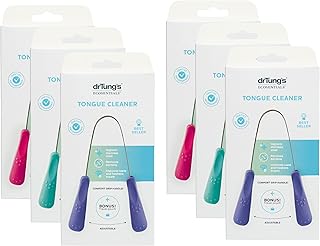

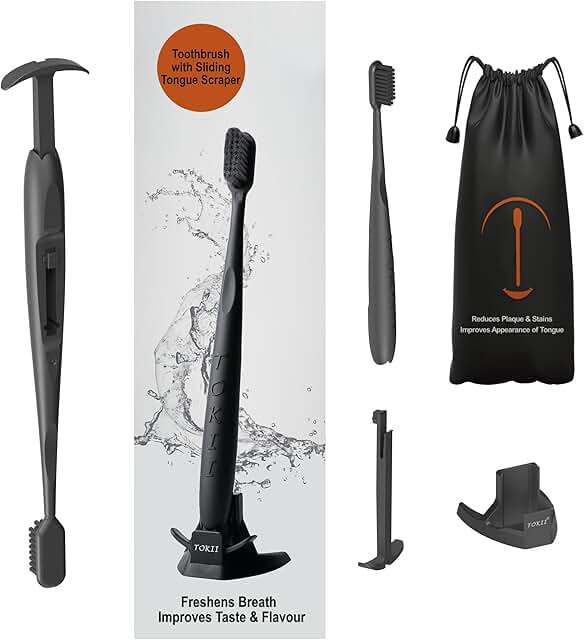

2. Tongue Cleaning Improves Taste Sensation

Your taste buds are located in small structures called papillae across your tongue's surface. When a film of dead cells, food debris, and bacteria accumulates on the tongue — which happens naturally every day — it physically coats the taste buds and blocks flavor compounds from making full contact with taste receptor cells. The result is a measurable reduction in taste sensitivity that most people never attribute to their tongue's cleanliness.
Multiple studies and reports from people who begin regular tongue scraping describe a noticeable improvement in taste acuity within just a few days. Foods taste more vivid, nuanced, and satisfying — not because anything changed in the food itself, but because the sensory pathway is finally unobstructed.
Maximizing the Taste Benefits of Tongue Cleaning
- Scrape your tongue first thing in the morning, before eating or drinking anything
- Clean your tongue before meals for maximum flavor perception during eating
- Pair consistent tongue cleaning with adequate hydration — a dry mouth also dulls taste
- Give it at least one full week of daily practice before evaluating the improvement in taste
Improves Taste Sensation
Editor's Choice


3. Tongue Cleaning Reduces the Risk of Gum Disease and Cavities

The tongue isn't just a source of bad breath bacteria — it actively seeds bacteria onto your teeth and gums with every swallow. When the tongue is heavily coated, it continuously re-inoculates your teeth and gums with the same bacteria your brushing and flossing just removed. This is one reason why people with good brushing habits can still develop persistent gum disease or recurring cavities: the tongue is acting as a bacterial reservoir that keeps reinfecting clean surfaces.
By reducing the overall bacterial load on the tongue daily, you lower the rate at which bacteria re-populate your teeth and gums — giving your other oral hygiene efforts a meaningful advantage. Tongue cleaning is therefore not just a standalone benefit; it amplifies the effectiveness of brushing and flossing.
Integrating Tongue Cleaning Into Your Full Oral Care Routine
- Scrape your tongue first, then brush — this prevents redistributing scraped bacteria onto clean tooth surfaces
- Follow scraping and brushing with flossing, then finish with an antibacterial mouthwash
- Schedule regular dental check-ups every six months — professional cleaning removes tartar that daily home care cannot
- Stay consistent daily — the bacterial film on the tongue regenerates within 24 hours, making daily cleaning necessary
5. Tongue Cleaning Supports Healthy Digestion

Digestion doesn't begin in the stomach — it begins in the mouth. When you see, smell, or taste food, your body releases salivary enzymes (primarily amylase and lipase) that begin breaking down carbohydrates and fats before food even reaches your stomach. The taste signal that triggers this enzyme release depends on taste bud function. A coated tongue dampens this signal, potentially reducing the enzyme response and the efficiency of early-stage digestion.
Traditional Ayurvedic medicine has emphasized tongue scraping before meals for thousands of years precisely for this reason. Modern understanding of the taste-digestion connection supports the logic: a cleaner tongue sends a stronger taste signal, which triggers a more robust salivary enzyme response.
Using Tongue Cleaning to Support Digestion
- Scrape your tongue before meals to ensure taste buds are unobstructed and enzyme signaling is optimal
- Pair tongue cleaning with thorough chewing — digestion is most efficient when food is well broken down before swallowing
- Stay well-hydrated to support the entire digestive process from mouth to gut
Regular tongue cleaning can meaningfully reduce oral bacteria, giving saliva a cleaner start to the digestive process. Adding tongue scraping to your pre-meal ritual supports both oral health and more efficient early-stage digestion.
6. Tongue Cleaning Boosts Social Confidence

Bad breath is one of the most socially impactful hygiene issues precisely because most people don't realize they have it — others notice first. Since the tongue is the primary source of halitosis, a daily 30-second scraping habit is one of the most direct investments you can make in your social confidence. The difference in how you feel going into a conversation knowing your breath is genuinely fresh — not just masked by toothpaste — is significant.
This benefit compounds over time. Consistent tongue cleaning keeps bacterial populations low so that fresh breath becomes the baseline, not a temporary post-brush condition that fades within an hour of eating.
Building the Morning Confidence Habit
- Add tongue scraping immediately after waking, before any food or drink, to eliminate overnight bacteria
- Keep your scraper next to your toothbrush so it becomes an automatic part of your morning routine
- Follow scraping with brushing and a water rinse for a complete fresh-mouth reset to start the day
Regular tongue cleaning reduces mouth odors at their source — not by masking them — giving you genuine confidence in close conversations. Start your day with a quick scraping ritual and greet the world knowing your breath is actually fresh.
Boosts Confidence
Editor's Choice


7. Tongue Cleaning Prevents White Tongue Coating

A white or yellowish coating on the tongue is one of the most visible signs of poor tongue hygiene. This coating consists of a mixture of dead epithelial cells, food debris, and bacteria that accumulates in the grooves and between the filiform papillae. It's completely normal for some coating to form daily — but when allowed to build up, it becomes a thick film that contributes to bad breath, bacterial overgrowth, and an unpleasant appearance.
Daily tongue scraping prevents this buildup by removing the film before it thickens. Most people who scrape consistently find that their tongue surface appears noticeably pinker and healthier within a week of starting the habit. Note: a very thick, persistent coating that doesn't respond to daily scraping may warrant a conversation with a dentist or doctor, as it can occasionally signal an underlying health issue.
Maintaining a Healthy Tongue Appearance
- Check your tongue daily in the mirror — a healthy tongue should be pink with minimal coating
- Scrape promptly each morning before the coating has a chance to solidify throughout the day
- Use a dedicated tongue scraper rather than your toothbrush for more effective removal
- Stay hydrated — a dry mouth accelerates coating formation
8. Tongue Cleaning Can Support Quitting Smoking and Other Bad Habits

Smoking accelerates tongue coating, alters taste perception, and significantly worsens bad breath — all of which create a reinforcing negative cycle. When people quit smoking and start tongue scraping, two things happen: taste sensitivity begins to return (often a motivating experience), and the fresh-mouth feeling of a clean tongue serves as a tangible daily reward that reinforces the commitment to healthier choices.
Using tongue cleaning as a positive anchor in a quit-smoking routine — a brief, rewarding ritual that signals "today I'm choosing my health" — is a practical behavioral tool that complements other cessation strategies.
Using Tongue Cleaning as Part of a Healthier Routine
- Clean your tongue each morning as a daily renewal ritual — a fresh mouth signals a fresh start
- Notice and acknowledge improvements in taste as you continue your habit-change journey
- Pair tongue cleaning with other positive morning habits (hydration, exercise) to anchor the behavioral change
Quitting a bad habit feels more sustainable when your daily routine reinforces the change. A clean tongue each morning is a tangible, sensory reminder of the choice you're making — turning a simple hygiene step into real, daily progress.
9. Tongue Cleaning is the Most Cost-Effective Oral Care Upgrade Available

A quality stainless steel or copper tongue scraper costs between $5 and $15 and lasts for years. For that one-time investment, you get a daily oral health intervention that reduces the primary cause of bad breath, lowers the bacterial burden on your teeth and gums, and improves taste sensitivity. On a cost-per-benefit basis, a tongue scraper is arguably the highest-return item in your entire oral hygiene toolkit — more impactful per dollar than most specialty mouthwashes or whitening products.
The prevention angle matters too. By actively reducing tongue bacteria — which seeds gum disease and cavities — consistent tongue cleaning may help avoid costly dental treatment down the line. A single dental filling costs many times more than a lifetime's worth of tongue scrapers.
Getting the Best Value from Tongue Cleaning
- Choose a stainless steel or copper scraper over plastic — they last longer, clean more effectively, and are more hygienic
- Replace scrapers if they become warped, corroded, or difficult to clean — typically every 1–2 years for metal scrapers
- Rinse the scraper thoroughly after each use and let it air dry to extend its lifespan
- Consider it a prevention investment — the bacteria it removes daily are the same bacteria that, over time, cause cavities and gum disease requiring expensive treatment
Cost-Effective Oral Care
Editor's Choice


Conclusion: Make Tongue Cleaning the First New Habit You Add Today

Of all the improvements you can make to your oral hygiene routine, tongue cleaning offers one of the best combinations of high impact, low effort, and low cost. It directly addresses the primary source of bad breath, reduces the bacterial load that drives gum disease and cavities, restores taste sensitivity, and supports the first stage of digestion — all in under 30 seconds each morning.
If you brush and floss consistently but still struggle with persistent bad breath or a persistent white coating, adding a tongue scraper to your routine is very likely the missing piece. Start today: scrape first, then brush, then floss. Within a week, the difference in your breath and your general mouth feel will be noticeable.
Frequently Asked Questions: Tongue Cleaning
Does tongue cleaning really help with bad breath?
Yes — significantly. The tongue is the primary source of bad breath in the majority of halitosis cases. Anaerobic bacteria live in the grooves and between the papillae of the tongue, producing volatile sulfur compounds (VSCs) that cause the characteristic unpleasant odor. A dedicated tongue scraper removes this bacterial film far more effectively than brushing the tongue, and studies have shown measurable reductions in VSC levels after consistent tongue scraping.
Should I use a tongue scraper or just brush my tongue?
A tongue scraper is more effective than a toothbrush applied to the tongue. A toothbrush moves bacteria around but doesn't remove it efficiently from the tongue's surface, and the bristles can't reach into the grooves where most bacteria live. A scraper physically lifts and removes the bacterial film with each stroke. Stainless steel and copper scrapers are the most durable and hygienic options.
How often should you clean your tongue?
Once daily is the standard recommendation — ideally every morning before eating. The bacterial film on the tongue regenerates within 24 hours, so daily scraping is necessary to maintain consistently low bacterial populations. Morning is the ideal time because overnight bacterial buildup is at its peak, coinciding with reduced saliva flow during sleep.
Can tongue cleaning improve taste?
Yes. The film of dead cells, food debris, and bacteria that accumulates on the tongue physically blocks taste buds from receiving full contact with flavor compounds. Removing this film daily restores taste bud exposure and improves taste sensitivity. Many people who begin consistent tongue scraping report noticeably improved taste acuity within just a few days.
Is tongue cleaning safe?
Yes, when done correctly. Use gentle, even pressure — the tongue is a sensitive tissue and aggressive scraping can cause soreness. Start from as far back as is comfortable (not so far that it triggers a gag reflex) and draw the scraper forward with a smooth stroke. Rinse after each pass. Most people experience no discomfort with a proper technique and appropriate pressure.
What is the white coating on my tongue?
A white or yellowish tongue coating is a buildup of dead epithelial cells, food debris, and bacteria that accumulates naturally in the grooves and between the papillae. Some daily coating is normal. Daily tongue scraping prevents this from thickening into a persistent film. A very thick, persistent white coating that doesn't respond to daily scraping may occasionally signal an underlying condition such as oral thrush or another issue worth discussing with a dentist.
Note: We aim to provide accurate product links, but some may occasionally expire or become unavailable. If this happens, please search directly on Amazon for the product or a suitable alternative.
This post contains Amazon affiliate links, meaning we may earn a small commission if you purchase through our links, at no extra cost to you.